
Authentic Rajasthani Gatte ki Sabzi Recipe| Madhu Savara
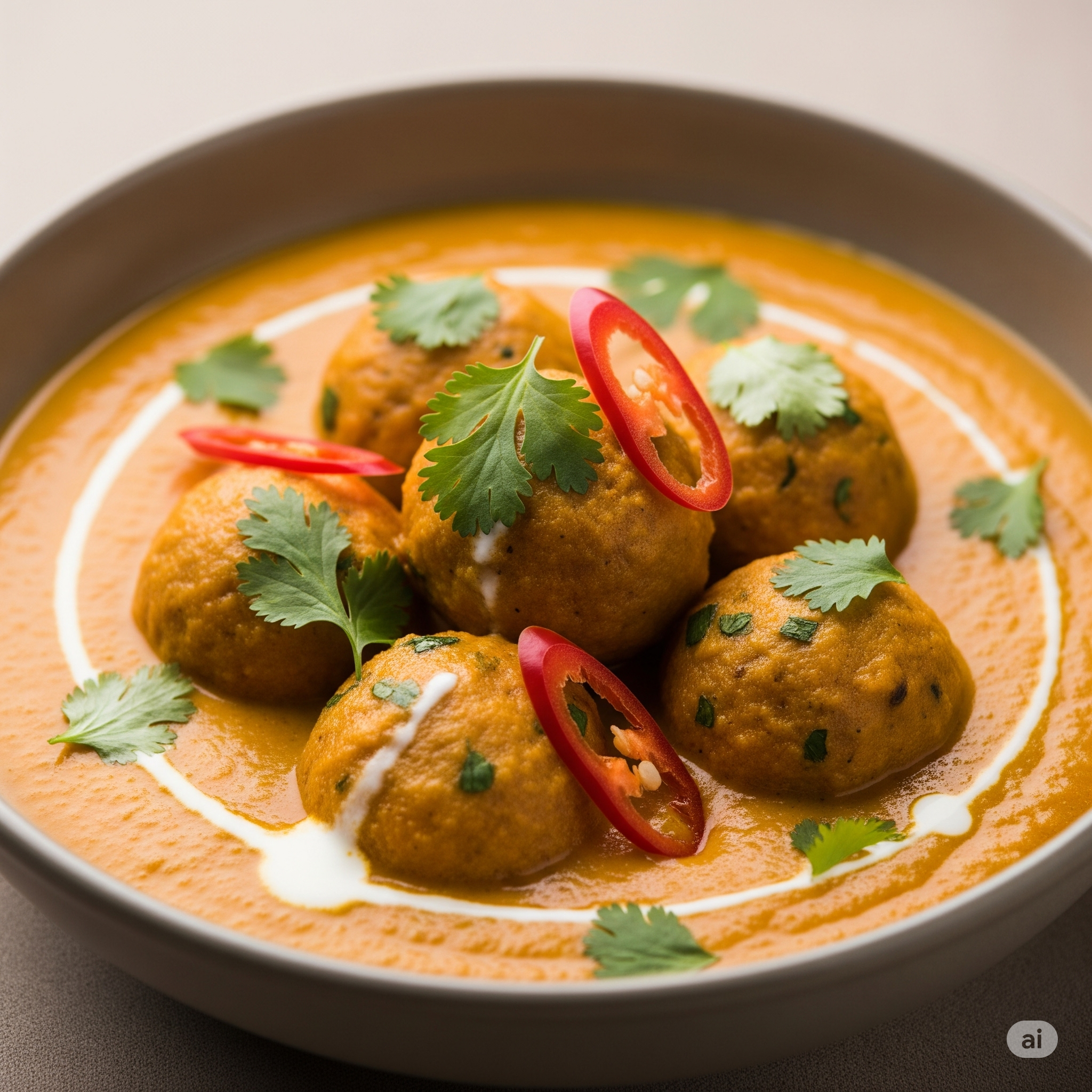
A Timeless Vegetarian Indian Comfort Food Classic from the Deserts of Rajasthan, Packed with Essential Spices & Nutrients for a Delightful Homemade Meal Experience.
Preface
Step into the vibrant and resilient culinary world of Rajasthan, where every dish tells a story of tradition, innovation, and flavour perfected over centuries. Among its many jewels, Gatte ki Sabzi shines brightest, standing out as a remarkable vegetarian Indian curry that captures the essence of traditional Rajasthani cuisine. This isn’t just another curry; it’s an ingenious creation born from the arid landscapes, where gram flour (besan) transforms into tender, succulent dumplings (the ‘gatte’), lovingly simmered in a rich, tangy, and spicy yoghurt curry. Truly an Indian comfort food that warms the soul, our authentic Rajasthani Gatte ki Sabzi recipe will guide you through crafting this extraordinary gram flour dumpling curry, bringing a taste of the desert’s heart right into your homemade kitchen.
Table of Contents (TOC)
- The Royal Roots & Cultural Significance of Rajasthani Gatte Ki Sabzi
- Preparation & Cooking Times
- Nutritional Value (General Disclaimer)
- Allergen Information
- Essential Utensils for Gatte ki Sabzi
- Standard Ingredients: Crafting Your Besan ke Gatte & Spicy Yogurt Curry
- Detailed Recipe: Your Step-by-Step Guide to Homemade Gatte ki Sabzi
- Tips for Perfect Gatte Ki Sabzi & Variations
- Serving Suggestions & Portion Size
- Storage Guidelines
- Conclusion: Master the Art of Rajasthani Comfort Food
The Royal Roots & Cultural Significance of Rajasthani Gatte Ki Sabzi
The origin of Gatte ki Sabzi is deeply rooted in the history and geography of Rajasthan, a region characterised by its scarcity of fresh vegetables due to its desert climate. Necessity became the mother of invention, leading to the creation of dishes that relied on readily available ingredients like flour, lentils, and dried spices. Besan ke gatte, or gram flour dumplings, became a brilliant solution, offering a substantial and flavorful component without the need for fresh produce.
The significance of this traditional Rajasthani cuisine lies in its resourcefulness and its enduring popularity, becoming a staple in both royal kitchens and common households. It embodies the hearty, unpretentious, yet profoundly delicious nature of Rajasthani food. Its importance extends beyond taste; it’s a dish of celebration, often prepared for special occasions, and a comforting reminder of home. The tanginess from the yoghurt not only adds a unique flavour profile but also helps cut through the richness, reflecting the traditional balance in Rajasthani cooking.
Servings
4-5 potions
Preparation Time:
25-30 minutes (for making gatte and gravy prep)
Cooking Time:
40-50 minutes (20 min for gatte, 20-30 min for gravy
Calories
350
Ingredients
Standard Ingredients: Crafting Your Besan ke Gatte & Spicy Yoghurt Curry
To create this authentic Rajasthani Gatte ki Sabzi, every ingredient plays a vital role in developing its unique taste and texture.
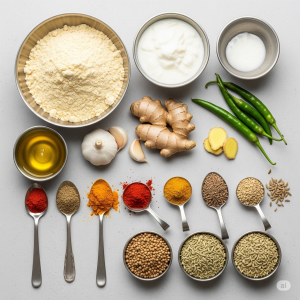
The simple, fresh ingredients that create magic.
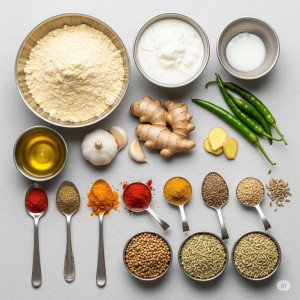
For the Gatte (Gram Flour Dumplings):
- 1 cup Besan (Gram Flour)
- 2 tbsp Ghee or Oil
- ½ tsp Carom Seeds (Ajwain)
- ¼ tsp Turmeric Powder
- ¼ tsp Red Chilli Powder
- ¼ tsp Asafoetida (Hing)
- ½ tsp Salt (or to taste)
- 2 tbsp plain yoghurt (Dahi)
- 2-3 tbsp Water (as needed for dough)
For Boiling Gatte:
- 4-5 cups Water
- 1 tsp Oil
For the Gravy:
- 1 cup plain yoghurt (Dahi), preferably slightly sour
- 1 tbsp Ghee or Oil
- 1 tsp Cumin Seeds (Jeera)
- ¼ tsp Asafoetida (Hing)
- 1 large Onion, finely chopped (optional, traditional is without)
- 1 tbsp Ginger-Garlic Paste (or grated ginger & garlic)
- 1-2 Green Chilies, slit or chopped (adjust to taste)
- 1 tsp Red Chilli Powder (Kashmiri for colour, or regular for heat)
- 1 tsp Coriander Powder (Dhaniya Powder)
- ½ tsp Turmeric Powder
- ½ tsp Fennel Seeds (Saunf), crushed (optional, but enhances flavour)
- 1 tsp Garam Masala Powder
- Salt to taste
- 1.5 – 2 cups Water (or as needed to adjust consistency)
- 2 tbsp Gatte boiling water (from where the gatte were boiled)
For Garnish:
- Fresh Coriander Leaves, chopped
Equipment Needed
To prepare your homemade Gatte ki Sabzi, you’ll need:
- Mixing Bowl (for gatte dough)
- Rolling Pin & Board (optional, for shaping gatte)
- Large Pot / Deep Pan (for boiling gatte)
- Heavy-Bottomed Kadai or Deep Pan (for gravy)
- Whisk (for yogurt)
- Grater/Mortar & Pestle (for ginger-garlic, if not using paste)
- Ladle/Spatula
Nutrition Information
Nutritional Value (General Disclaimer)
While a detailed nutritional breakdown depends on exact ingredients and quantities, Gatte ki Sabzi generally offers:
- Calories: Approximately 250-350 calories per serving (estimate, varies based on oil/ghee and cream used).
- Protein: From gram flour (besan) and yoghurt.
- Fibre: From gram flour.
- Calcium: From yoghurt.
- Antioxidants & Vitamins: From spices like turmeric, chilli, and coriander.
Disclaimer: This information is for general guidance only and not a substitute for professional nutritional advice. Individual values may vary based on specific ingredients and cooking methods.
Step by Step Instructions
Your Step-by-Step Guide to Homemade Gatte ki Sabzi
Creating authentic Rajasthani Gatte ki Sabzi is a labour of love, but the result is incredibly rewarding. Follow these steps for your perfect gram flour dumpling curry:
- Prepare the Gatte Dough:
- In a mixing bowl, combine besan, ghee/oil, carom seeds, turmeric powder, red chilli powder, asafoetida, and salt. Rub the ghee into the flour evenly until the mixture resembles breadcrumbs.
- Add 2 tbsp of plain yoghurt. Gradually add 1-2 tbsp of water, little by little, to knead into a firm but pliable dough. Be careful not to add too much water; the dough should be stiff. Let it rest for 10-15 minutes.
- Shape the Gatte:
- Divide the dough into 8-10 equal portions. Roll each portion into a smooth, even cylinder (like a small sausage), about 4-5 inches long and ½ inch thick. You can also press them slightly flat or make small balls.
- Boil the Gatte:
- Bring 4-5 cups of water to a rolling boil in a wide, deep pan. Add 1 tsp of oil to the boiling water (this prevents gatte from sticking).
- Carefully slide the shaped gatte into the boiling water. Do not overcrowd the pan.
- Boil for 15-20 minutes on medium-high heat. The gatte will swell, and small bubbles will appear on their surface, indicating they are cooked through. They will also float.
- Using a slotted spoon, remove the cooked gatte and place them on a plate to cool slightly. Reserve about 2 cups of the Gatte’s boiling water – this starchy water is crucial for the gravy’s consistency and flavour.
- Once cooled, cut the gatte into ½ inch thick round pieces.
- Prepare the Yoghurt Gravy:
- In a separate bowl, whisk the 1 cup of plain yoghurt until completely smooth, with no lumps. Add turmeric powder, red chilli powder, coriander powder, fennel seeds (if using), and salt to the whisked yoghurt. Mix well.
- Cook the Gravy Base:
- Heat 1 tbsp ghee or oil in a heavy-bottomed kadai or deep pan over medium heat. Add cumin seeds and asafoetida. Let the cumin seeds splutter.
- (Optional: If using onion) Add the finely chopped onion and sauté until translucent or light golden brown.
- Add ginger-garlic paste and chopped green chillies. Sauté for 1-2 minutes until fragrant.
- Add Yoghurt Mixture (Crucial Step):
- Reduce the heat to low. Slowly pour the whisked yoghurt-spice mixture into the pan, stirring continuously and vigorously in one direction to prevent the yoghurt from curdling. This continuous stirring is vital until the gravy comes to a gentle boil.
- Simmer the Gravy:
- Once the gravy starts to bubble gently, add 1.5 cups of the reserved gatte boiling water. Mix well.
- Bring the gravy to a simmer, then cover and cook on low heat for 10-15 minutes, stirring occasionally, until the gravy thickens slightly and oil starts separating on the sides.
- Add Gatte to Gravy:
- Gently add the cut gatte pieces to the simmering gravy.
- Add garam masala powder. Mix everything gently.
- Cover and simmer for another 5-10 minutes on low heat, allowing the gatte to absorb the flavours of the gravy.
- Garnish & Serve:
- Remove from heat. Garnish generously with fresh chopped coriander leaves. Your homemade Gatte ki Sabzi is ready!
Tips and Variations
- Dough Consistency is Key: For soft gatte, ensure the dough is firm but pliable. Over-kneading can make them tough.
- Whisk Yoghurt Continuously: This is the most crucial tip for a smooth, non-curdled gravy. Stirring constantly until it boils prevents separation.
- Gatte Boiling Water: Do NOT discard the water used to boil the gatte. It adds starch and flavour, contributing to the gravy’s authentic texture and taste.
- No Onion/Garlic (Traditional): Many authentic Rajasthani recipes for Gatte ki Sabzi are made without onion and garlic, relying solely on ginger, green chillies, and asafoetida for aromatics, especially common in temple offerings (sattvic food). Feel free to omit them for a more traditional taste.
- Spice Adjustment: Increase or decrease green chillies and red chilli powder based on your preferred level of spiciness.
- Vegan Variation: For a delicious vegan gram flour dumpling curry, substitute ghee/butter with plant-based oil and use a cashew-based yoghurt (or a high-quality vegan plain yoghurt that doesn’t curdle easily when heated) for the gravy. Ensure any besan used is processed in a dedicated gluten-free facility if catering to severe gluten allergies.
- Adding Vegetables: While not traditional, you can add some blanched green peas or diced potatoes to the gravy for a slightly different take.
Allergen Information
This authentic Rajasthani Gatte ki Sabzi recipe contains the following major allergens:
- Dairy: From yoghurt and ghee/butter.
- Gluten (Trace/Cross-Contamination Risk): While gram flour (besan) is naturally gluten-free, it is often processed in facilities that handle wheat flour. For severe gluten allergies, please ensure your gram flour is certified gluten-free.
Always check individual ingredient labels for hidden allergens and cross-contamination warnings, especially if preparing for individuals with severe allergies.
Other Essentials
Serving Suggestions & Portion Size
Gatte ki Sabzi is best served hot.
- Portion Size: One serving typically consists of 1-1.5 cups of the curry with a few gatte pieces. This recipe serves 4-5 people generously.
- Accompaniments: It pairs perfectly with:
- Bajra Roti (Millet Flatbread): The most traditional Rajasthani accompaniment.
- Missi Roti (Gram Flour Flatbread): Another excellent choice.
- Plain Rice or Jeera Rice.
- Freshly made Phulkas or Naan.
- A side of pickled onions or a simple green salad enhances the meal.
Storage Guidelines
- Refrigeration: Store leftover Gatte ki Sabzi in an airtight container in the refrigerator for up to 2-3 days.
- Reheating: Reheat gently on the stovetop over low heat, stirring occasionally. If the gravy has thickened too much, add a splash of hot water to adjust the consistency. The gatte might absorb more gravy upon cooling, so adding a little liquid is often necessary.
Conclusion: Master the Art of Rajasthani Comfort Food
Our journey into the creation of authentic Rajasthani Gatte ki Sabzi concludes with a dish that is truly a culinary revelation. This vibrant gram flour dumpling curry stands as a shining example of traditional Rajasthani cuisine, embodying both ingenuity and profound flavour. From its unique origin in the arid lands to its importance as an Indian comfort food across homes, mastering this homemade Gatte ki Sabzi means bringing a piece of India’s rich culinary heritage to your table. The soft besan ke gatte bathed in a tangy, spicy yoghurt curry promise a delightful meal that is packed with essential spices and nutrients, ensuring an unforgettable and wholesome experience every time.
CTA (Call to Action): Ready to explore more unique flavours of India? Discover our full collection of authentic Rajasthani recipes and other regional Indian classics on our blog!
Disclaimer
Important Notice: Read Before Proceeding
The recipes, preparation methods, nutritional details, and related content published on Madhu Savara’s website, social media, and associated platforms are intended solely for general informational and educational purposes. While every effort has been made to ensure accuracy and reliability, we make no guarantees regarding the results, safety, or accuracy of any recipe presented here.
We are not licensed nutritionists, dieticians, or medical professionals. The nutritional values provided are estimates only, calculated using third-party tools, and should not be used for medical diagnosis, dietary treatment, or allergy management. If you have any medical conditions, dietary restrictions, or food allergies, please consult your doctor or certified dietitian before attempting any recipe.
Cooking inherently involves sharp tools, high heat, and the risk of injury or fire. You assume full responsibility for your kitchen practices. Madhu Savara, the website, and all contributors shall not be held liable for any damage, injury, loss, or adverse outcome resulting directly or indirectly from the preparation, consumption, or interpretation of any content herein.
By using this website and attempting any recipe, you agree to hold harmless and indemnify Madhu Savara and her team from any liability, legal claim, or damages arising from the use of this content. You are encouraged to exercise independent judgment and take full responsibility for your health, kitchen safety, and actions.
