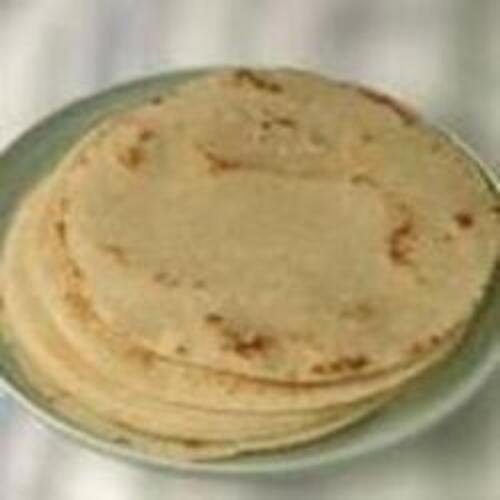
Almond Flour Roti – Soft, Gluten-Free and Low-Carb Indian Roti
Almond roti made with almond flour, a soft homemade gluten-free Indian roti

Author’s Note

Almond flour roti is a simple alternative to a traditional wheat roti, made with finely ground almond flour instead of atta. This almond flour roti recipe uses psyllium husk to help bring the dough together and make it easier to roll.

At Madhusavara.com, this recipe is included for readers looking for a practical gluten-free roti and low-carb roti option for an Indian meal. The method is slightly different from making an ordinary atta roti because almond flour does not behave like wheat flour.

The important part is getting the dough consistency right and handling it gently while rolling. Once prepared, the roti can be served warm with sabzi, dal, curd or chutney.

Madhu Savara is the author and owner of Madhusavara.com.

Description of the Recipe

Almond Flour Roti is a soft, delicate Indian-style flatbread made with blanched almond flour and psyllium husk instead of wheat atta. The almond flour gives this almond flour roti a naturally mild, nutty flavour, while psyllium husk helps hold the dough together and gives the almond flour chapati enough flexibility to roll.

This almond flour roti recipe has a simple ingredient list and a slightly different method from a regular wheat roti. The dough is prepared with hot water, rested briefly and rolled between parchment sheets before cooking on a hot tava. The result is a tender, lightly nutty gluten-free roti with a pleasant texture when served fresh.

For those looking for a low-carb roti, this recipe replaces wheat flour with almond flour while keeping the preparation close to the familiar Indian roti-making process. It is also a useful keto roti option for people whose eating pattern includes almond flour and other low-carbohydrate ingredients.

Table of Contents

  • Author’s Note
  • Description of the Recipe
  • Ingredients
  • Nutritional Value
  • Step-by-Step Recipe
  • Equipment Needed
  • Allergen Information
  • Madhu Savara’s Tips
  • Things to Avoid
  • FAQs
  • CTA
  • Final Thoughts
  • Author’s Bio

Servings

4 Rotis

Preparation Time:

5 Minutes Plus Resting 5 minutes

Cooking Time:

10 minutes

Calories

195

Ingredients

Ingredients

Main Ingredients

  • 1 cup blanched almond flour
  • 2 tablespoons psyllium husk powder
  • ¼ teaspoon salt, or to taste
  • Approximately ½ cup hot water, added gradually
  • 1 tablespoon ghee or olive oil

Optional Additions

  • ¼ teaspoon ajwain
  • ¼ teaspoon cumin seeds
  • A small pinch of turmeric

Equipment Needed

Equipment Needed

  • Mixing bowl
  • Measuring cups and spoons
  • Rolling pin
  • Parchment paper
  • Tava or flat non-stick pan
  • Spatula

Nutrition Information

Nutritional Value

Approximate nutritional value per roti:

NutrientAmount
Calories195 kcal
Protein5–6 g
Fat14–16 g
Total Carbohydrates6–7 g
Fibre3–4 g
Net Carbohydrates3–4 g

Nutritional values are approximate and may vary according to the brand and quantity of almond flour, psyllium husk and ghee or oil used.

Step by Step Instructions

Step-by-Step Recipe

Step 1: Make the Dough

  1. Put the almond flour, psyllium husk powder and salt in a mixing bowl.
  2. Add ajwain, cumin seeds or turmeric if using.
  3. Mix well so the ingredients are evenly distributed.
  4. Add hot water gradually while mixing.
  5. Bring everything together and knead gently until a soft dough forms.
  6. Add the ghee or olive oil and knead briefly.
  7. Cover and let the dough rest for 5 minutes.

The dough should feel soft and hold together without being wet or sticky.

Step 2: Roll the Rotis

  1. Divide the dough into 4 equal portions.
  2. Shape each portion into a ball.
  3. Place one ball between two sheets of parchment paper.
  4. Press gently and roll into a thin, even round.
  5. Peel away the upper sheet carefully.

If the edges crack slightly, press them back together with your fingers before transferring the roti.

Step 3: Cook on the Tava

  1. Heat a tava or flat non-stick pan over medium heat.
  2. Carefully place the rolled roti on the hot tava.
  3. Cook for about 30–40 seconds.
  4. Turn it gently and cook the other side.
  5. Turn once more if necessary until the roti is properly cooked.
  6. Brush lightly with ghee if desired.
  7. Repeat with the remaining dough.

Serve warm.

Tips and Variations

Madhu Savara’s Tips

  • Use fine blanched almond flour for the smoothest dough.
  • Add water slowly because different brands of almond flour can absorb liquid differently.
  • Give the dough its full resting time before rolling.
  • Parchment paper makes this dough considerably easier to roll and transfer.
  • Keep the rotis moderately thin rather than paper-thin.
  • If you are making them for the first time, make smaller rotis. They are easier to handle.
  • A light brushing of ghee after cooking gives the roti a pleasant Indian flavour.
  • Serve them warm for the best texture.

Allergen Information

Allergen Information

  • Almonds: This recipe contains almond flour and is therefore not suitable for people with a tree-nut allergy.
  • Dairy: Ghee contains dairy. Use olive oil if you want a dairy-free version.
  • Gluten: No wheat flour is used in this recipe. For strict gluten avoidance, check packaged ingredients for cross-contact information.

Other Essentials

Things to Avoid

  • Do not add all the water at once.
  • Do not make the dough excessively wet.
  • Do not roll directly on a dry kitchen counter.
  • Do not try to lift a very thin roti roughly from the parchment.
  • Do not use high heat, as the delicate roti can brown too quickly.
  • Do not keep adding psyllium husk without allowing the dough to settle first.
  • Do not expect the elasticity of wheat-based atta dough.

Frequently Asked Questions

Why does my almond flour roti crack while rolling?

The dough may be too dry or may need a little more resting time. Add a small amount of water if necessary and knead gently. Rolling between parchment sheets also helps prevent cracking.

Why is my roti sticky?

Too much water can make the dough difficult to handle. Let it rest for a few minutes first. If it remains excessively sticky, use a small amount of almond flour rather than adding a large quantity of psyllium husk.

Can I prepare the dough in advance?

Yes. The dough can be prepared ahead and refrigerated in a covered container. Bring it towards room temperature before rolling so that it is easier to handle.

Can I make this roti without psyllium husk?

Psyllium husk plays an important role in binding the dough. Without it, the roti is more likely to crack and break during rolling and cooking.

Can I use coconut flour instead of almond flour?

Not in the same quantity. Coconut flour absorbs much more liquid and behaves differently from almond flour. A separate recipe is preferable rather than making a direct substitution.

Can I use oil instead of ghee?

Yes. Olive oil or another suitable cooking oil can be used in place of ghee. Ghee gives the roti a more traditional Indian flavour.

How should I store leftover rotis?

Cool them completely and place them in an airtight container in the refrigerator for up to 3 days. Reheat gently on a tava before serving.

Can I freeze almond flour roti?

Yes. Place sheets of parchment between individual rotis, pack them in a freezer-safe container or bag and freeze. Thaw and reheat gently on a tava.

CTA

If you enjoy discovering practical alternatives to traditional Indian breads, explore more recipes and kitchen ideas on Madhusavara.com.

If you make this recipe, share how you served it and whether you added ajwain, cumin or any other variation.

Final Thoughts

A good almond flour roti needs slightly different handling from a regular atta roti, but once you understand the dough, it is quite simple to prepare.

The combination of fine almond flour, psyllium husk and careful rolling produces a delicate, satisfying flatbread that can be served with everyday Indian accompaniments.

For best results, keep the dough soft, roll gently and cook the rotis over moderate heat.

Author’s Bio

Madhu Savara is the author and owner of Madhusavara.com, where she shares Indian recipes, traditional foods, regional dishes and practical kitchen ideas.

Her work focuses on approachable Indian cooking, familiar ingredients and recipes that can be prepared in a home kitchen.

Disclaimer

Important Notice: Read Before Proceeding

The recipes, preparation methods, nutritional details, and related content published on Madhu Savara’s website, social media, and associated platforms are intended solely for general informational and educational purposes. While every effort has been made to ensure accuracy and reliability, we make no guarantees regarding the results, safety, or accuracy of any recipe presented here.

We are not licensed nutritionists, dieticians, or medical professionals. The nutritional values provided are estimates only, calculated using third-party tools, and should not be used for medical diagnosis, dietary treatment, or allergy management. If you have any medical conditions, dietary restrictions, or food allergies, please consult your doctor or certified dietitian before attempting any recipe.

Cooking inherently involves sharp tools, high heat, and the risk of injury or fire. You assume full responsibility for your kitchen practices. Madhu Savara, the website, and all contributors shall not be held liable for any damage, injury, loss, or adverse outcome resulting directly or indirectly from the preparation, consumption, or interpretation of any content herein.

By using this website and attempting any recipe, you agree to hold harmless and indemnify Madhu Savara and her team from any liability, legal claim, or damages arising from the use of this content. You are encouraged to exercise independent judgment and take full responsibility for your health, kitchen safety, and actions.


Almond Flour Roti – Soft, Gluten-Free and Low-Carb Indian Roti

Almond Flour Roti is a soft, delicate Indian-style flatbread made with blanched almond flour and psyllium husk instead of wheat atta. The almond flour gives this almond flour roti a naturally mild, nutty flavour, while psyllium husk helps hold the dough together and gives the almond flour chapati enough flexibility to roll.
Course Main Course
Cuisine Indian, North Indian
Keyword almond flour chapati, almond flour roti, almond flour roti recipe, gluten free roti, keto roti, low carb roti
Prep Time 5 minutes
Cook Time 10 minutes
Resting Time 5 minutes
Total Time 20 minutes
Servings 4 Rotis
Calories 195kcal

Equipment

  • Mixing bowlMeasuring cups and spoonsRolling pinParchment paperTava or flat non-stick panSpatula

Ingredients

  • Main Ingredients
  • 1 cup blanched almond flour
  • 2 tablespoons psyllium husk powder
  • ¼ teaspoon salt or to taste
  • Approximately ½ cup hot water added gradually
  • 1 tablespoon ghee or olive oil
  • Optional Additions
  • ¼ teaspoon ajwain
  • ¼ teaspoon cumin seeds
  • A small pinch of turmeric

Instructions

  • Step 1: Make the Dough
  • Put the almond flour, psyllium husk powder and salt in a mixing bowl.
  • Add ajwain, cumin seeds or turmeric if using.
  • Mix well so the ingredients are evenly distributed.
  • Add hot water gradually while mixing.
  • Bring everything together and knead gently until a soft dough forms.
  • Add the ghee or olive oil and knead briefly.
  • Cover and let the dough rest for 5 minutes.
  • The dough should feel soft and hold together without being wet or sticky.
  • Step 2: Roll the Rotis
  • Divide the dough into 4 equal portions.
  • Shape each portion into a ball.
  • Place one ball between two sheets of parchment paper.
  • Press gently and roll into a thin, even round.
  • Peel away the upper sheet carefully.
  • If the edges crack slightly, press them back together with your fingers before transferring the roti.
  • Step 3: Cook on the Tava
  • Heat a tava or flat non-stick pan over medium heat.
  • Carefully place the rolled roti on the hot tava.
  • Cook for about 30–40 seconds.
  • Turn it gently and cook the other side.
  • Turn once more if necessary until the roti is properly cooked.
  • Brush lightly with ghee if desired.
  • Repeat with the remaining dough.
  • Serve warm.

Notes

Madhu Savara’s Tips

  • Use fine blanched almond flour for the smoothest dough.
  • Add water slowly because different brands of almond flour can absorb liquid differently.
  • Give the dough its full resting time before rolling.
  • Parchment paper makes this dough considerably easier to roll and transfer.
  • Keep the rotis moderately thin rather than paper-thin.
  • If you are making them for the first time, make smaller rotis. They are easier to handle.
  • A light brushing of ghee after cooking gives the roti a pleasant Indian flavour.
  • Serve them warm for the best texture.

0 Comments

Submit a Comment

Your email address will not be published. Required fields are marked *

Recipe Rating