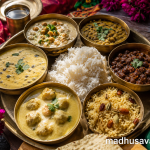
Authentic Chambyali Khatta Recipe | Traditional Chamba Dham Kala Chana Khatta
There is something wonderfully comforting about the aroma of simmering kala chana blended with tamarind and jaggery. The sweet, tangy, and mildly spiced flavours come together beautifully, making this dish unlike any other curry from North India.The Traditional Chamba Dham Kala Chana Khatta is not meant to overpower the meal. Instead, it balances the richness of dishes like Madra and Mah ki Dal, adding a refreshing contrast that completes the festive feast.
Servings 6 People
Calories 228kcal
Equipment
- Heavy-bottomed pan or kadhaiMixing bowlSmall tempering panWooden spatulaMeasuring cups and spoons
Ingredients
- For Cooking Kala Chana
- 2 cups kala chana black chickpeas
- 5 cups water
- 1 teaspoon salt
- For Tamarind Pulp
- 50 grams tamarind
- 1 cup warm water
- For the Curry
- 2 tablespoons mustard oil
- 1 teaspoon cumin seeds
- ½ teaspoon fenugreek seeds
- 1 teaspoon fennel seeds
- 2 dried red chillies
- ¼ teaspoon asafoetida
- ½ teaspoon turmeric powder
- 1 teaspoon red chilli powder
- 1 teaspoon coriander powder
- ¾ teaspoon roasted cumin powder
- ½ teaspoon black pepper powder
- ½ teaspoon garam masala
- 2 tablespoons grated jaggery adjust to taste
- Salt to taste
- Garnish
- Fresh coriander leaves finely chopped
Instructions
- Step 1: Soak the Kala Chana
- Wash the kala chana thoroughly under running water until the water runs clear.
- Transfer them to a large bowl and soak them overnight or for at least eight hours. The chickpeas will absorb water and almost double in size, ensuring even cooking and a creamy texture.
- Drain the soaking water before cooking.
- Step 2: Pressure Cook the Chickpeas
- Place the soaked kala chana in a pressure cooker.
- Add fresh water and salt.
- Pressure cook for 7–8 whistles or until the chickpeas become soft yet hold their shape. They should mash gently when pressed between your fingers without turning mushy.
- Reserve the cooking liquid, as it forms the base of the traditional Chambyali Khatta.
- Step 3: Prepare the Tamarind Extract
- Soak the tamarind in warm water for about 15 minutes.
- Mash it well using your fingers and strain through a fine sieve.
- Discard the fibres and seeds, keeping only the smooth tamarind pulp.
- Freshly prepared tamarind extract gives the recipe its characteristic tang without the harshness that ready-made concentrates sometimes bring.
- Step 4: Prepare the Traditional Tempering
- Heat mustard oil in a heavy-bottomed pan until it reaches smoking point.
- Reduce the heat slightly and allow the oil to cool for a few seconds.
- Add cumin seeds.
- As they begin to crackle, stir in fenugreek seeds, fennel seeds, dried red chillies, and asafoetida.
- Within seconds, the kitchen fills with the unmistakable aroma that defines many traditional Himachali dishes.
- Take care not to burn the fenugreek seeds, as they can quickly turn bitter.
- Step 5: Build the Flavour
- Lower the flame.
- Add turmeric powder, coriander powder, red chilli powder, roasted cumin powder, and black pepper powder.
- Stir continuously for a few seconds so the spices bloom gently in the warm oil without scorching.
- Immediately pour in a few tablespoons of the reserved chickpea cooking liquid. This prevents the spices from burning while helping them blend into a smooth base.
- Step 6: Add the Tamarind
- Pour the freshly prepared tamarind pulp into the pan.
- Allow it to simmer gently for three to four minutes.
- The sharp aroma gradually mellows, creating a pleasant tanginess that forms the heart of the Traditional Chamba Dham Kala Chana Khatta.
- Step 7: Balance the Sweetness
- Add grated jaggery and stir until completely dissolved.
- The sweetness should never dominate the dish. Instead, it should quietly soften the tamarind’s sharpness, creating the delicate sweet-and-sour balance that makes this recipe so memorable.
- Taste the liquid at this stage. It should feel pleasantly tangy first, followed by a gentle sweetness lingering at the end.
- Step 8: Bring Everything Together
- Add the cooked kala chana along with the remaining reserved cooking liquid.
- Mix gently so the chickpeas remain whole.
- Allow the curry to simmer uncovered over low heat for 15–20 minutes.
- During this slow simmer, the chickpeas absorb the sweet and tangy flavours while the gravy thickens naturally. Stir occasionally to prevent sticking.
- Finally, sprinkle garam masala and simmer for another two minutes.
- Turn off the heat and let the Authentic Chambyali Khatta Recipe rest for five minutes before serving. Like many traditional Himachali dishes, the flavours deepen beautifully during this short resting period.
- Garnish with freshly chopped coriander leaves and serve hot with steamed rice as part of a traditional Chamba Dham-inspired meal.
Notes
Madhu Savara’s Tips
Traditional Himachali cooking has always been about respecting ingredients rather than overpowering them with spices. While preparing this Authentic Chambyali Khatta Recipe, a few small details make all the difference.- Soak the kala chana overnight. Properly soaked chickpeas cook evenly and absorb the sweet and tangy flavours much better than hurriedly soaked ones.
- Fresh tamarind pulp gives the best flavour. Ready-made tamarind paste is often stronger and saltier, so if you use it, reduce the quantity and adjust gradually.
- Jaggery should balance the sourness, not mask it. The hallmark of Chamba Dham Kala Chana Khatta is a pleasant tang followed by a mild sweetness, never the other way around.
- Mustard oil lends an earthy aroma that complements this heritage dish beautifully. Heat it until it just reaches the smoking point, then add the spices to mellow its sharpness.
- Simmer the curry patiently. Those extra fifteen to twenty minutes allow the chickpeas to soak up every layer of flavour and give the gravy its traditional consistency.
- Avoid making the gravy too thick. Chambyali Khatta is meant to coat the chickpeas lightly while remaining easy to pour over steamed rice.
- Like most traditional Dham dishes, this recipe tastes even better after resting for a few minutes before serving.