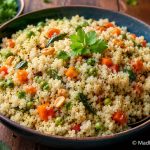
Classic Jhangora Recipe | Traditional Barnyard Millet Recipe | Healthy Himalayan Millet
Jhangora, scientifically known as Barnyard Millet, is one of India’s oldest cultivated millet varieties. It has remained an integral part of Himalayan food culture due to its remarkable nutritional profile and adaptability to mountainous terrain.The grain is naturally white to cream in colour and becomes delightfully soft after cooking. Its mild flavour allows it to absorb spices, herbs and vegetables beautifully, making it suitable for a wide variety of dishes ranging from comforting porridges to savoury one-pot meals.
Servings 4 People
Calories 244kcal
Cost NA
Equipment
- Heavy-bottomed saucepan or kadaiDeep cooking pot with lidFine mesh strainerWooden spatulaMeasuring cups and spoonsSharp kitchen knifeChopping boardMixing bowlServing bowl The right utensil plays an important role in achieving perfectly fluffy grains. A heavy-bottomed pan distributes heat evenly and prevents the Jhangora from sticking to the base while cooking.
Ingredients
- Main Ingredients
- 1 cup Jhangora Barnyard Millet
- 2½ cups water
- 2 tablespoons desi ghee
- 1 medium onion finely chopped
- 1 medium tomato finely chopped
- 2 green chillies finely chopped
- 1 teaspoon cumin seeds
- 1 teaspoon grated ginger
- 6 –8 fresh curry leaves optional
- ¼ teaspoon turmeric powder
- ½ teaspoon red chilli powder
- ½ teaspoon freshly ground black pepper
- 1 teaspoon coriander powder
- Salt to taste
- 2 tablespoons fresh coriander leaves finely chopped
- Optional Ingredients
- ½ cup green peas
- ½ cup diced carrots
- ½ cup French beans
- ¼ cup sweet corn
- A squeeze of fresh lemon juice
- Roasted peanuts or cashews for garnish
Instructions
- Step 1: Sort and Clean the Jhangora
- Take 1 cup of Jhangora (Barnyard Millet) and spread it on a clean plate.
- Remove any tiny stones, husk or impurities that may occasionally be present in traditionally processed millet. Although packaged Jhangora is generally cleaned, this simple step ensures a perfect meal.
- Transfer the grain into a fine sieve.
- Wash it under running water three to four times until the water runs almost clear.
- Why This Step Matters
- Cleaning removes dust and excess starch, helping the grains cook evenly without becoming sticky.
- Step 2: Soak the Jhangora
- Transfer the washed Jhangora to a bowl.
- Pour enough fresh water to cover the grains completely.
- Allow it to soak for about 15–20 minutes.
- Avoid soaking for longer than 30 minutes as the grains are naturally delicate and may become overly soft.
- Tip
- If you are short on time, soak the Jhangora in lukewarm water for 10 minutes.
- This simple trick helps reduce cooking time while maintaining the texture of the Classic Jhangora Recipe.
- Step 3: Prepare the Vegetables
- While the Jhangora is soaking, prepare the vegetables.
- Finely chop:
- Onion
- Tomato
- Green chillies
- Fresh coriander
- Ginger
- Dice the carrots into small cubes.
- Trim and finely chop the French beans.
- Keep the peas and sweet corn ready.
- Uniformly chopped vegetables cook evenly and enhance the overall appearance of this Traditional Jhangora Recipe.
- Prepare the Tempering
- Heat the Ghee
- Place a heavy-bottomed kadai or saucepan over medium heat.
- Add two tablespoons of desi ghee.
- Allow it to melt gently without smoking.
- Add Whole Spices
- Once the ghee becomes warm, add:
- Cumin seeds
- Allow them to crackle naturally.
- Their earthy aroma forms the flavour base of the Classic Jhangora Recipe.
- Add Ginger and Green Chillies
- Add:
- Grated ginger
- Chopped green chillies
- Sauté for about one minute until fragrant.
- Avoid browning the ginger.
- Cook the Onion
- Add the chopped onions.
- Cook over medium heat for about five to six minutes.
- Stir occasionally until they become soft and light golden.
- Do not overcook them as heavily browned onions can dominate the subtle flavour of Barnyard Millet.
- Add Tomatoes
- Mix in the chopped tomatoes.
- Cook until they soften completely and release their natural juices.
- This usually takes around four to five minutes.
- The tomatoes should blend smoothly with the onions without remaining chunky.
- Add the Ground Spices
- Add the following spices:
- Turmeric powder
- Coriander powder
- Red chilli powder
- Freshly ground black pepper
- Salt
- Mix continuously for about one minute.
- The spices should coat the vegetables evenly without burning.
- If required, sprinkle one tablespoon of water to prevent sticking.
- Madhu Savara’s Secret
- Never fry powdered spices on very high heat.
- Gentle cooking preserves their natural aroma and creates a cleaner flavour in the Classic Jhangora Recipe.
- Add the Vegetables
- Now add:
- Green peas
- Carrots
- French beans
- Sweet corn
- Mix everything thoroughly.
- Cook for four to five minutes.
- The vegetables should remain slightly crisp as they continue cooking with the Jhangora.
- Overcooked vegetables lose both colour and texture.
- Add the Soaked Jhangora
- Drain the soaked Jhangora completely.
- Add it gently to the cooked vegetables.
- Using a wooden spatula, mix carefully for about two minutes.
- Allow every grain to become lightly coated with the aromatic masala.
- This roasting step gives the Himalayan Jhangora Recipe its signature nutty aroma.
- Why Roasting is Important
- Light roasting helps:
- Develop a richer flavour
- Improve grain texture
- Reduce stickiness
- Enhance aroma
- Never skip this stage.
- Add Water
- Pour in 2½ cups of hot water.
- Hot water maintains the cooking temperature and allows the grains to cook more evenly.
- Mix gently only once.
- Avoid repeated stirring.
- Excessive stirring can break the delicate millet grains.
- Simmer the Classic Jhangora Recipe
- Increase the flame until the mixture reaches a gentle boil.
- Once boiling, immediately reduce the flame to low.
- Cover the pan tightly with a lid.
- Allow the Jhangora to cook undisturbed for 18–20 minutes.
- Resist the temptation to open the lid repeatedly.
- The trapped steam cooks the grains perfectly.
- Check for Doneness
- After about 18 minutes, remove the lid carefully.
- The water should be completely absorbed.
- The grains should appear soft, fluffy and separate.
- Taste one grain.
- It should be tender without becoming mushy.
- If required, sprinkle two to three tablespoons of hot water.
- Cover again and cook for another three to four minutes.
- Rest Before Serving
- Switch off the flame.
- Allow the cooked Jhangora to rest for at least five to seven minutes.
- Resting helps the grains firm up naturally.
- Finally, fluff gently using a fork instead of a spoon.
- This keeps the grains separate and beautifully textured.
- Final Garnishing
- Sprinkle generously with:
- Fresh coriander leaves
- Fresh lemon juice
- Roasted peanuts or cashews (optional)
- Serve immediately while hot.
The beauty of this Classic Jhangora Recipe lies in respecting the grain rather than overpowering it with excessive spices. Jhangora has a delicate flavour that becomes wonderfully aromatic when cooked patiently over medium heat. Follow each step carefully to achieve soft, fluffy and separate grains every single time.