
Author’s Note
By Madhu Savara, Author and Owner of Madhusavara.com
Kodo millet is one of India’s traditional grains that was once a familiar part of rural food systems but gradually became less visible as rice and wheat became dominant in everyday diets. Known as kodo, kodon, kodra and varagu in different parts of India, this small millet has a long association with Indian agriculture and traditional cooking.
This article brings together information about kodo millet, its history, nutrition, cultivation, traditional food uses and recipes, along with its relevance to sustainable and climate-resilient agriculture.
The aim is to present kodo millet without exaggerated health claims or invented stories. Regional names, cultivation practices and food traditions can vary, so those differences are important when looking at the history and use of this grain across India.
What Is Kodo Millet?
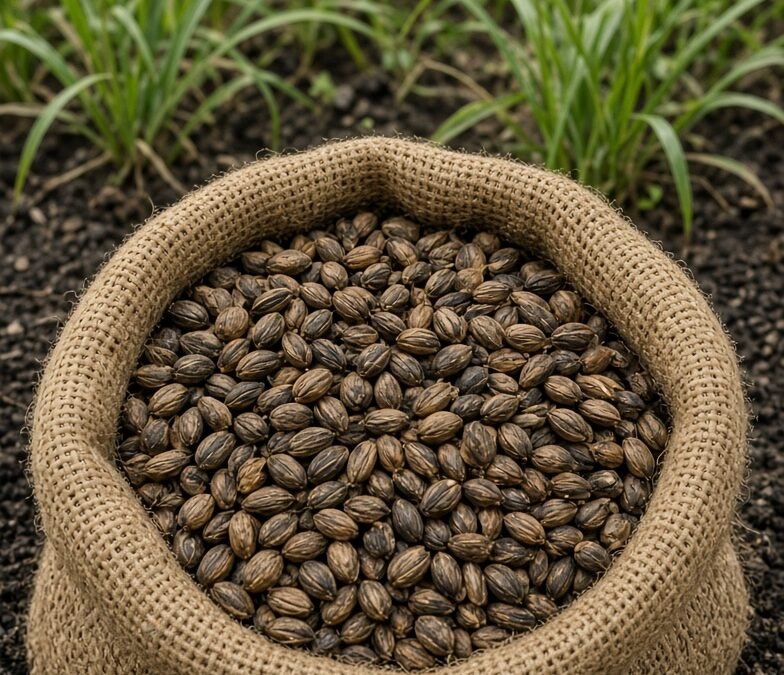
Kodo millet, scientifically known as Paspalum scrobiculatum, is one of India’s traditional small millets. It is cultivated mainly in dryland farming regions and is known for its ability to grow under relatively difficult conditions.
The grain has several regional names. Varagu is commonly used in Tamil Nadu, while kodo, kodon and kodra are used in different parts of central, northern and western India. In Tamil Nadu, the processed grain is commonly known as varagu arisi.
These regional names are useful when looking for traditional recipes because a kodo millet recipe may be listed as a varagu, kodon or kodra recipe depending on the region.
Kodo millet can be cooked much like rice or ground into flour for different traditional preparations.
Historical Background
Kodo millet has a long history in Indian agriculture. Research places its domestication in the Indian subcontinent at around 3,000 years ago, with parts of central and western India associated with its early domestication.
Historical literature also provides evidence of its place in Indian food and farming systems. The grain has been associated with the ancient name kodrava, and references to it occur in historical Indian literature, including the Arthashastra. Later records, including the Ain-i-Akbari, also mention its cultivation.
These references show that kodo millet is not a recently introduced health food. It has been part of India’s agricultural history for centuries.
The history of its domestication is more complex than one date or location; however, researchers continue to study its genetic and agricultural origins.
Traditional Kodo Millet Cultivation
Kodo millet is considered a drought-tolerant millet and can grow in relatively poor soils. These characteristics have made it useful in dryland farming systems, particularly in areas where rainfall can be uncertain.
Traditional cultivation varies according to region, soil, rainfall and variety. Sowing is generally associated with the monsoon, followed by weeding and harvesting when the crop reaches maturity.
After harvesting, the plants are dried and threshed. The grain is then processed to remove the outer husk before cooking or milling.
In some traditional farming systems, kodo millet was grown along with pulses or other crops. Such practices differed according to local farming conditions.
Its hardiness is one reason kodo millet cultivation remains relevant to discussions around climate-resilient crops and sustainable farming in India.
Kodo Millet Nutrition
Kodo millet nutrition is one of the reasons for the grain’s renewed popularity.
Like other whole grains, kodo millet provides carbohydrates, protein, dietary fibre and minerals. Published nutritional data generally place its protein content at around 8–9 grams per 100 grams, with dietary fibre, magnesium, phosphorus, iron, calcium and zinc also present.
The exact nutritional composition varies according to variety, growing conditions and processing.
Kodo millet is naturally gluten-free, making it an option for people who need gluten-free grains. However, people with celiac disease should also consider cross-contamination during processing and choose suitably certified products where required.
Its nutritional value is best considered as part of a varied diet rather than as a stand-alone health solution.
Kodo Millet Benefits
The phrase kodo millet benefits is widely searched, but some claims made online go beyond the available evidence.
Kodo millet provides dietary fibre and several minerals and can be included as part of a balanced diet. Research on millets has also examined their glycaemic response and naturally occurring antioxidant compounds.
However, the effect of any grain depends on the variety, processing method, quantity consumed and the rest of the meal.
It would therefore be incorrect to claim that kodo millet cures diabetes or automatically controls blood sugar. People with diabetes can discuss its inclusion in their diet with their doctor or dietitian, particularly because individual responses to carbohydrate-containing foods can vary.
Similarly, the presence of antioxidant compounds does not mean that eating kodo millet prevents a particular disease.
Regional Variations
Madhya Pradesh is one of India’s important kodo millet-growing regions. The crop is also cultivated in parts of Chhattisgarh, Maharashtra, Karnataka, Tamil Nadu, Gujarat, Uttar Pradesh and Odisha.
In Tamil Nadu, varagu has its own established agricultural and culinary tradition. Agricultural sources identify varagu as kodo millet and document its cultivation and varieties.
Local varieties can differ in grain characteristics, while regional names may differ even when referring to the same species.
This diversity is an important part of India’s traditional millet heritage.
Cultural Importance
Kodo millet remains connected with the food traditions of several rural and tribal communities, particularly in central India.
Government sources document the continuing importance of kodo and kutki among communities including Gond and Baiga populations in Madhya Pradesh.
For these communities, millets are not simply modern health foods. They are connected with local farming, food preparation and traditional knowledge.
Kodo millet is sometimes described as a “famine grain” or as a grain that “never failed” farmers. Such descriptions can oversimplify the experiences of farming communities. A more accurate description is that it is a hardy traditional crop suited to several dryland farming conditions.
Its importance comes from its ability to fit local farming systems and provide another grain for household use.
Traditional Kodo Millet Recipes
Kodo millet can be cooked like rice or ground into flour.
In Tamil Nadu, varagu arisi is used in preparations such as:
- Varagu pongal
- Varagu upma
- Varagu dosa
- Varagu adai
- Varagu rice
- Varagu payasam
In central India, kodo millet may be cooked as a rice substitute or ground into flour for rotis, porridge and other local preparations. It can also be combined with dal and vegetables to make khichdi.
The recipes vary from household to household, which is a natural part of traditional Indian cooking.
Kodo Millet Storage and Preservation
Proper drying is important before storing kodo millet.
Traditionally, farmers and households have used different storage systems, including earthen containers and bags. Modern storage can use airtight or hermetic containers to protect grain from moisture and insects.
The storage life is not a fixed number of years. It depends on moisture, temperature, humidity, insects, packaging and storage conditions.
For household storage, clean and properly dried grain should be kept in a cool, dry place protected from moisture and pests.
Traditional storage practices such as the use of neem leaves or ash are found in some farming communities, but their use and effectiveness can vary and should not be treated as a universal storage recommendation.
Modern Kodo Millet Recipes
The renewed interest in kodo millet recipes has brought the grain into modern kitchens.
Today, kodo millet is used for:
- Breakfast dishes
- Upma
- Khichdi
- Dosa and idli batters
- Millet salads
- Pulao
- Baked foods
- Cookies and crackers
- Porridge
- Desserts
Modern recipes do not replace traditional preparations. They simply show how an old grain can fit into contemporary cooking.
Kodo millet’s mild flavour also makes it relatively easy to combine with vegetables, pulses, spices and other ingredients used in Indian cooking.
Scientific Perspectives
Scientific research on kodo millet has examined its dietary fibre, phenolic compounds, antioxidant activity, nutritional composition and processing characteristics.
Studies have also examined processes such as soaking, germination and fermentation. These methods can affect nutrient availability and compounds such as phytates.
Such findings need to be interpreted carefully. Laboratory evidence about antioxidant compounds, for example, should not automatically become a claim that the grain prevents disease.
Processing also matters. Excessive polishing can remove parts of the grain where fibre and some nutrients are concentrated.
The scientific interest in kodo millet is useful, but it should be considered alongside traditional knowledge and the limitations of available research.
Kodo Millet and Climate-Resilient Agriculture
The agricultural value of kodo millet deserves as much attention as its nutritional value.
As a drought-resistant millet, it can grow in a range of dryland conditions and is recognised for its tolerance of relatively poor soils.
This makes it relevant to climate-resilient agriculture, sustainable farming in India and crop diversification.
Kodo millet cannot replace rice or wheat everywhere. Farming success depends on rainfall, soil, variety, seed availability, farming methods and market conditions.
Its real value is as one additional crop suited to certain dryland environments.
Kodo Millet Cultivation in Madhya Pradesh and Tamil Nadu
Kodo millet cultivation in Madhya Pradesh has particular importance because the state remains closely associated with traditional millet farming.
In districts where kodo and other small millets have remained part of local agriculture, the crop is connected with both food and farming traditions.
Tamil Nadu provides another important example. Here, varagu has remained part of the agricultural and culinary landscape, with agricultural institutions documenting its cultivation, varieties and production practices.
These regional examples show that the story of kodo millet is not limited to one state. It forms part of a wider Indian tradition of growing small millets suited to local environments.
Kodo Millet in India’s Food Heritage
The history of kodo millet in India is not only an agricultural story. It is also a food story.
Before modern food systems made polished rice and refined wheat widely available, Indian households depended on many locally grown grains.
Kodo millet was one of those grains.
It could be stored, cooked, ground and combined with pulses and vegetables. Its cultivation suited several dryland environments, while its use in everyday food gave households another grain beyond rice and wheat.
In central India, its association with tribal and rural food traditions remains particularly important. In Tamil Nadu, the name varagu connects it with a different but equally established culinary tradition.
These regional differences are part of what makes India’s millet heritage so rich.
Why Kodo Millet Is Being Rediscovered
The renewed interest in kodo millet comes from several directions.
Consumers looking for whole grains, gluten-free foods and alternatives to refined cereals have started exploring traditional millets again. At the same time, concerns about water use, climate change and crop diversification have brought greater attention to drought-tolerant crops.
This has created a growing market for products made from kodo millet, from flour and breakfast mixes to ready-to-cook foods.
The challenge is to ensure that the modern popularity of millets does not turn their traditional food heritage into a collection of exaggerated health claims.
Kodo millet does not need that. Its history, food traditions and agricultural qualities are enough to make it worth knowing.
Kodo Millet: An Old Grain with a Place Today
Kodo millet is an old Indian crop with a long agricultural history, regional names, traditional recipes and continuing importance in several parts of the country.
Its nutritional profile makes it a useful whole grain. Its naturally gluten-free nature makes it an option for gluten-free diets when appropriately processed. Its culinary versatility allows it to be cooked as rice, ground into flour or used in traditional and modern recipes.
Its agricultural characteristics give it another importance. As a hardy, drought-tolerant crop, it can contribute to crop diversification in suitable dryland farming systems.
From varagu arisi in Tamil Nadu to kodo and kodon in central India, this small grain represents an important part of India’s food and farming heritage.
Kodo millet does not need exaggerated health claims to make it relevant. Its real story is strong enough: a traditional grain that has remained connected with Indian agriculture and food culture while adapting to changing kitchens.
Bringing kodo millet recipes back to our tables is not about replacing every other grain. It is about remembering the diversity of grains that India has cultivated, cooked and preserved for generations.
Disclaimer
This article is published by Madhusavara.com for general educational and informational purposes. It should not be considered medical, nutritional, dietary, agricultural or professional advice.
Information about kodo millet nutrition, kodo millet benefits, diabetes, gluten-free diets, cultivation and storage is based on available sources and may change as further research becomes available. Nutritional values can vary according to variety, processing, preparation and serving size.
Kodo millet should not be presented as a treatment or cure for diabetes or any other disease. Anyone with a medical condition, food allergy, celiac disease or specific dietary requirement should seek advice from a qualified healthcare professional.
Farmers and food producers should independently verify cultivation, processing and storage recommendations with appropriate agricultural experts or authorities.
Madhu Savara, Madhusavara.com, and its owner, authors, contributors and associated parties accept no liability for any direct, indirect, incidental or consequential loss, injury, health consequence, food-related problem, agricultural loss or damage arising from the use of, reliance upon, or interpretation of information published in this article. Readers are responsible for verifying information relevant to their individual circumstances and obtaining professional advice where required.
