
Author’s Note
Dandelion is one of those plants that is often noticed but rarely considered as food. Its familiar yellow flowers and toothed leaves are commonly associated with lawns and open spaces, yet Taraxacum officinale has a long history of culinary use.
What makes it particularly interesting is that different parts of the plant have different roles. The young leaves can be eaten as greens, the mature leaves can be cooked, and the root can be roasted and prepared as a coffee-like drink.
This article looks at dandelion from a food perspective, focusing on its leaves, root, flowers and traditional beverages rather than its medicinal uses.
Table of Contents
- Author’s Note
- Dandelion: The Plant Behind the Name
- Dandelion as Food
- Dandelion Leaves
- Dandelion Root
- Dandelion Tea and Other Drinks
- What Dandelion Tastes Like
- Gathering and Preparing Dandelion
- Things to Keep in Mind
- FAQs
- Final Thoughts
- Author’s Bio
Dandelion: The Plant Behind the Name
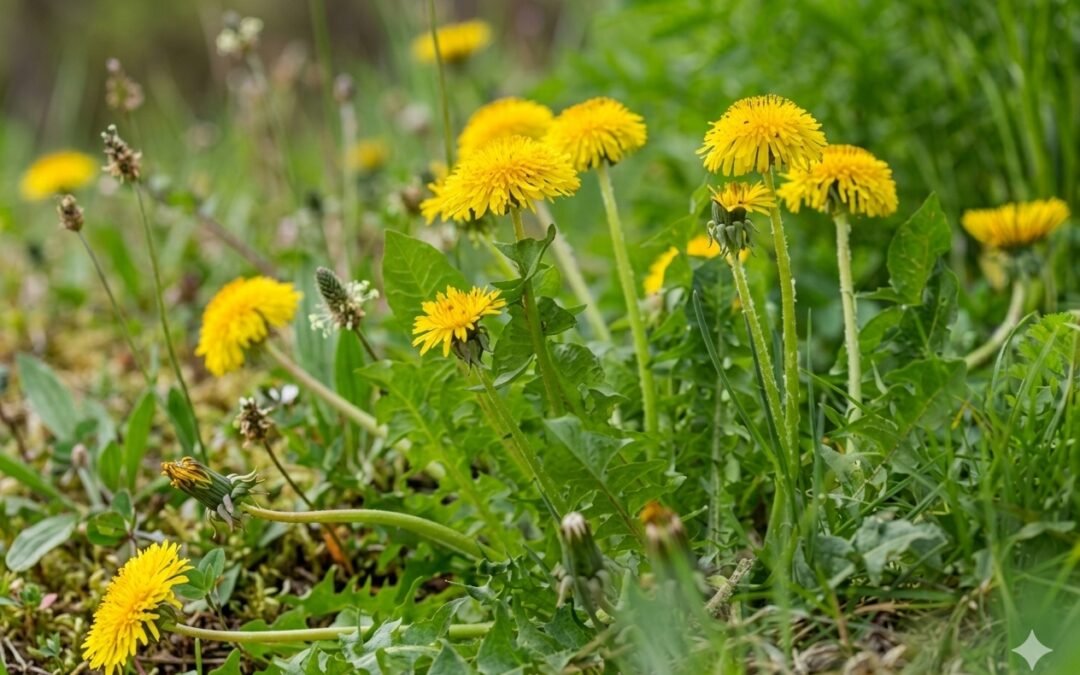
Dandelion is the common name for Taraxacum officinale, an herbaceous perennial belonging to the daisy family, Asteraceae. It is native to Eurasia and is now widely distributed in many parts of the world.
The name comes from the French dent de lion, meaning “lion’s tooth”, referring to the deeply toothed leaves. The plant forms a low rosette of leaves close to the ground and produces its familiar bright yellow flower heads.
Although often regarded simply as a weed, dandelion is also recognised as an edible plant. Its leaves, flowers and roots have all found culinary uses in different food traditions.
Dandelion as Food
The culinary uses of dandelion extend across several parts of the plant.
Young leaves are generally more tender and less bitter, which makes them suitable for eating raw. They can be added to salads along with milder greens and vegetables. Older leaves develop a stronger bitterness and are better suited to cooking.
The leaves can be cooked as greens, added to soups or combined with other savoury ingredients. The flowers have also been used in drinks, salads and preserves.
The root has a different culinary identity. Once dried and roasted, it develops a dark, toasted flavour and can be ground to make a coffee-like beverage.
This combination of leafy greens, edible flowers and roasted root makes dandelion an unusual example of a wild plant with several distinct food uses.
Dandelion Leaves
The flavour of dandelion leaves changes noticeably as they mature.
Young leaves are the mildest choice for raw preparations. Their slightly bitter flavour works particularly well when balanced with sweeter vegetables, fresh herbs or a simple dressing.
Mature leaves are firmer and more bitter. Instead of using them raw, they can be boiled, steamed or cooked with other vegetables in much the same way as other leafy greens. Food references and extension sources specifically distinguish tender young leaves for raw eating from older leaves that are better cooked.
For anyone unfamiliar with dandelion as food, starting with young leaves is an easy way to appreciate its flavour without allowing the bitterness to dominate.
Dandelion Root
The dandelion root has long been associated with roasting rather than the fresh salads for which the leaves are known.
After cleaning, drying and roasting, the root develops a deep, earthy and toasted character. It can then be ground and brewed into a drink commonly described as a coffee substitute or coffee-like beverage.
This use became especially notable during periods when coffee was scarce, including the Second World War. The roasted root does not taste exactly like coffee made from coffee beans; it is a separate beverage with its own earthy flavour.
The root can also be eaten as a vegetable, although its roasted use is probably the most distinctive culinary tradition associated with dandelion.
Dandelion Tea and Other Drinks
Dandelion tea is not limited to one part of the plant. Dried leaves, flowers or roots can be used for infusions, giving different preparations different flavours.
A tea made from roasted root tends to have a deeper and more toasted character, while leaf or flower infusions are lighter.
The flowers have also been used in traditional drinks. Kew and other food references document their use in beverages such as dandelion wine.
These are traditional food and beverage uses. They should not be confused with claims that dandelion tea or any other preparation can treat or cure a medical condition.
What Dandelion Tastes Like
Dandelion is best known for its bitterness, but the flavour is not identical throughout the plant.
Young leaves are relatively tender with a mild bitter note, while mature leaves are more pronounced and robust. Cooking can make the mature leaves easier to incorporate into savoury dishes.
The root changes character considerably after roasting. Instead of the fresh bitterness associated with the leaves, it develops a darker, earthy and toasted flavour.
The flowers are milder when young and become more bitter as they mature. This difference is one reason the plant can be used in several very different culinary preparations.
Gathering and Preparing Dandelion
If dandelion is gathered from the wild, correct identification is essential. Not every plant that resembles a familiar edible wild plant should be eaten.
Choose plants growing in clean, uncontaminated areas rather than roadsides, heavily trafficked places or locations that may have been treated with herbicides or other chemicals. Wash edible parts thoroughly before preparation.
Young leaves are generally the better choice for salads, while mature leaves can be cooked. Roots require more preparation because they are underground and need to be cleaned carefully before drying or roasting.
The milky sap of dandelion can also cause skin irritation in some people, so care is sensible when handling freshly cut plants.
Things to Keep in Mind
Dandelion may look familiar, but familiarity should not replace proper identification when gathering wild plants.
A few simple points are worth remembering:
- Identify Taraxacum officinale correctly before eating it.
- Choose plants from clean areas away from roadsides and chemical treatments.
- Young leaves are generally better suited to raw preparations.
- Older leaves are usually more suitable for cooking.
- Clean roots thoroughly before drying or roasting.
- Wash leaves and flowers properly before use.
- If you are unsure about a wild plant, do not eat it.
The purpose of including dandelion in a food article is to explore its culinary traditions, not to recommend it as a medicinal treatment.
FAQs
Can dandelion leaves be eaten?
Yes. Dandelion leaves are edible and can be eaten raw or cooked. Young leaves are generally preferred for salads, while older leaves are better suited to cooking.
Is dandelion root edible?
Yes. Dandelion root is edible and can be cooked, dried and roasted. Roasted root is particularly well known for making a coffee-like drink.
What is dandelion root tea?
Dandelion root tea is an infusion prepared from dried dandelion root. When roasted root is used, the resulting drink has a deeper, toasted flavour.
Can dandelion flowers be eaten?
Yes. Dandelion flowers are edible and have been used in salads and traditional drinks and preserves.
Why are dandelion leaves bitter?
Bitterness is a natural characteristic of the plant and generally becomes stronger as the leaves mature. Young leaves tend to be milder.
Is dandelion the same as Taraxacum officinale?
Taraxacum officinale is the botanical name commonly associated with the dandelion discussed in this article.
Final Thoughts
Dandelion is much more than the familiar yellow flower growing in lawns and open spaces. Its leaves can be treated as greens, its flowers can be incorporated into food and drinks, and its root can be transformed through roasting into a distinctive coffee-like beverage.
For anyone interested in traditional food plants and lesser-known edible greens, Taraxacum officinale offers an interesting example of how a plant commonly dismissed as a weed can have a surprisingly varied culinary history.
Its strongest appeal is perhaps this versatility: one plant, several edible parts, and very different ways of bringing each part to the table.
Author’s Bio
Madhu Savara is the author and owner of madhusavara.com, where she writes about Indian food, traditional recipes, regional ingredients, lesser-known food traditions and practical kitchen knowledge. Her work focuses on preserving and presenting familiar and forgotten food traditions in a clear, useful and accessible way.