
Preface
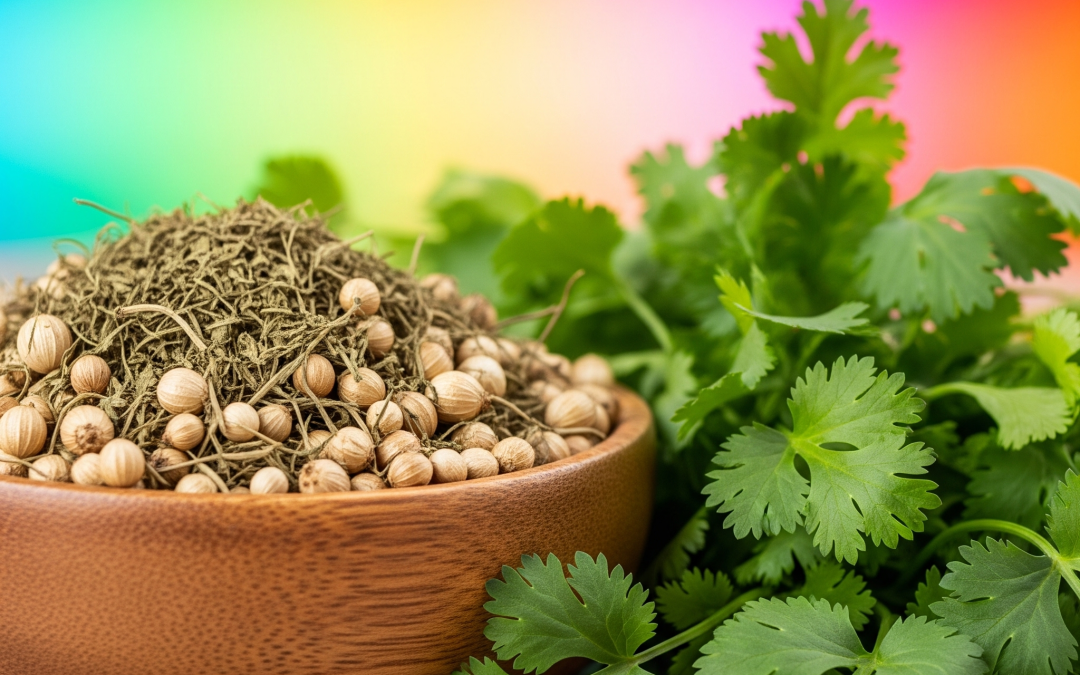
Whether you call it dhaniya, coriander, or hara dhaniya, this humble herb has been an essential part of Indian kitchens for centuries. From flavourful curries to refreshing chutneys and aromatic masalas, both green dhaniya (fresh leaves) and dry dhaniya (coriander seeds) offer far more than taste—they deliver powerful health benefits too.
Table of Contents
Introduction
Origin of Dhaniya
Importance in Indian Culture
Nutritional Value
Health Benefits of Dhaniya
Culinary Uses (Green & Dry)
Side Effects & Precautions
Medicinal & Home Remedies
Storage Tips
Pro Tips by Madhu Savara
FAQs
Conclusion
Disclaimer
🌱 Introduction
Dhaniya, scientifically known as Coriandrum sativum, refers to both fresh green coriander leaves and dried coriander seeds. A staple in Indian cooking, dhaniya enhances the flavour, aroma, and presentation of dishes.
From daily sabzis to rich biryanis, dhaniya powder and fresh leaves are indispensable ingredients in every kitchen.
🌍 Origin of Dhaniya
Coriander is believed to have originated in the Mediterranean and Middle Eastern regions. It is mentioned in ancient Ayurvedic texts and even in Egyptian records for its medicinal value.
Today, India is one of the largest producers of coriander, with states like Rajasthan, Madhya Pradesh, and Gujarat leading cultivation.
🌼 Importance in Indian Culture
In India, dhaniya is more than just a herb:
Fresh coriander leaves symbolise freshness and completion of a dish.
Used in religious offerings as a sign of prosperity
A key ingredient in spice blends like garam masala, chaat masala, and sambhar powder
Considered a tridosha-balancing herb in Ayurveda (Vata, Pitta, Kapha)
🥗 Nutritional Value of Dhaniya (Per 100g)
| Nutrient | Dhaniya Dry | Dry Dhaniya |
|---|---|---|
| Calories | 23 kcal | 298 kcal |
| Carbohydrates | 3.7 g | 55 g |
| Protein | 2.1 g | 12 g |
| Fat | 0.5 g | 18 g |
| Fibre | 2.8 g | 42 g |
| Vitamin C | 27 mg | 21 mg |
| Calcium | 67 mg | 709 mg |
| Iron | 1.8 mg | 16.3 mg |
👉 Both forms are rich in antioxidants, fibre, calcium, and iron.
💚 Health Benefits of Dhaniya
1. Improves Digestion
Dhaniya water helps reduce bloating, gas, and indigestion.
2. Controls Blood Sugar
Coriander seeds are known to regulate blood glucose levels—beneficial for diabetics.
3. Anti-Inflammatory Properties
Helps reduce joint pain and inflammation naturally.
4. Detoxifies the Body
Supports liver function and helps flush toxins.
5. Boosts Immunity
Loaded with antioxidants like quercetin and vitamin C.
6. Enhances Skin Health
Useful in reducing acne, pigmentation, and dullness.
7. Supports Women’s Health
Traditionally used to ease menstrual cramps and regulate cycles.
🍲 Culinary Uses of Dhaniya
🌿 Green Dhaniya (Fresh Leaves)
Used in chutneys (coriander-mint chutney)
Garnish for curries, dals, and salads.
Added marinades for paneer, chicken, and kebabs
Stuffing for parathas
🌰 Dry Dhaniya (Seeds)
Ground into coriander powder for daily cooking
Used in pickles and spice blends
Added to tadka (tempering)
Essential in masalas like chhole and pav bhaji
⚠️ Side Effects & Precautions
Though generally safe, some people may experience:
Allergic reactions (rare)
Skin irritation or itching
Cross-allergy with fennel or celery
Precautions:
Avoid excess intake if on blood-thinning medication.
Always wash fresh dhaniya thoroughly before use.
🌿 Medicinal & Home Remedies
Dhaniya Water: A natural detox drink and diuretic
Coriander Tea: Helps with cold, cough, and digestion.
Face Pack: Reduces acne and improves skin glow
Hair Rinse: Strengthens scalp and reduces dandruff
❄️ Storage Tips
Fresh Dhaniya
Wrap in a paper towel and refrigerate (lasts 7–10 days)
Store stems in water like fresh herbs
Dry Dhaniya
Keep in airtight containers.
Store in a cool, dry place
Grind in small batches for freshness.
⭐ Madhu Savara’s Pro Tips
Roast seeds before grinding for better aroma
Mix dhaniya + jeera powder for everyday cooking.
Add a pinch of dhaniya powder to lemon water for digestion.
Use lemon juice in chutney to maintain green colour.
Freeze coriander in cubes for long-term use.
❓ FAQs
Q. Is dhaniya good for diabetes?
Yes, coriander helps regulate blood sugar levels.
Q. Can I dry coriander leaves at home?
Yes, sun-dry or oven-dry and store as powder.
Q. How to keep coriander fresh longer?
Store in the fridge wrapped in a paper towel without washing.
Q. Is coriander water safe daily?
Yes, in moderate amounts (1 tsp soaked seeds).
🌟 Conclusion
From ancient Ayurveda to modern kitchens, dhaniya (coriander) continues to be an irreplaceable ingredient. Whether fresh or dry, it offers the perfect balance of flavour, aroma, and health benefits.
Make dhaniya a daily part of your meals and experience its natural goodness in every bite.
⚠️ Disclaimer
This content is for informational purposes only and not medical advice. Always consult a healthcare professional before using dhaniya for medicinal purposes. Madhu Savara is not responsible for any adverse effects.
