
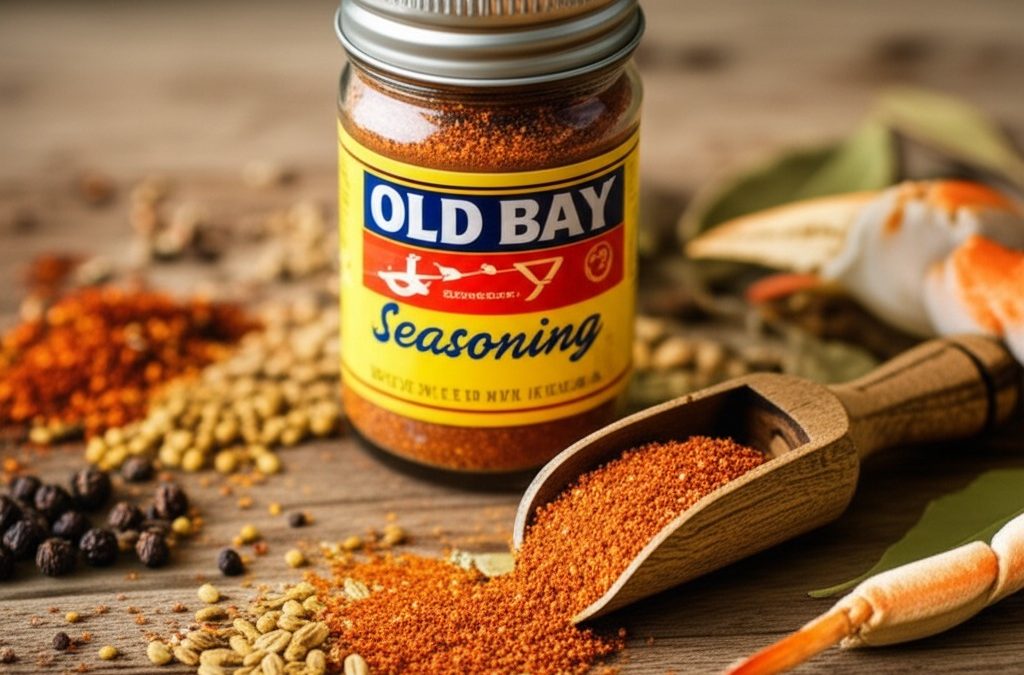
A Must-Have American Spice Blend
📌 Table of Contents
Preface
Introduction
Significance in American Cuisine
Origin & History
Ingredients Required
Utensils Required
Nutritional Value
Preparation Instructions
Storage Tips
Culinary Uses
Allergen Information
Common Mistakes to Avoid
Precautions During Preparation
Tips by Madhu Savara
FAQs
Conclusion
Strong Disclaimer
📝 Preface
Old Bay Seasoning is not just a spice—it’s a cultural symbol of American cuisine. Loved for its complex taste and versatility, it elevates everything from seafood to snacks. However, making it at home can be daunting due to its guarded recipe and complex blend. Here’s everything you need to know, curated with precision by Madhu Savara.
🌿 Introduction
Old Bay Seasoning is a proprietary American spice blend known for its bold, peppery, and savoury notes. Originating from the Mid-Atlantic coast, it’s indispensable in seafood dishes like crab boils, shrimp, and clam chowder. Packed with over 18 spices, this blend is rarely replicated at home and is usually bought ready-made.
Significance in American Cuisine
In American kitchens, especially along the East Coast, Old Bay is as essential as salt and pepper. It’s sprinkled on fries, added to chicken, and even rimmed on cocktail glasses. Its unmatched taste defines coastal American seafood culture.
🗺️ Origin & History
Old Bay Seasoning was created in 1939 by a German immigrant, Gustav Brunn, in Baltimore, Maryland. Named after a Chesapeake Bay steamship line, it was crafted to complement local seafood. Today, it’s a signature flavour. from the Mid-Atlantic, owned and marketed by McCormick & Co.
🧂 Ingredients Required (Homemade Approximation)
While the exact recipe is secret, a close replica may include:
Celery Salt – 2 tbsp
Paprika – 1 tbsp
Black Pepper – 1 tsp
Cayenne Pepper – 1 tsp
Ground Mustard – ½ tsp
Ground Bay Leaves – ½ tsp
Ground Clove – ¼ tsp
Ground Allspice – ¼ tsp
Ginger Powder – ¼ tsp
Cardamom – ¼ tsp
Nutmeg – ¼ tsp
Mace – a pinch (optional)
🧰 Utensils Required
Mortar and pestle or spice grinder
Mixing bowl
Airtight glass spice jar
Measuring spoons
Funnel (optional for jar filling)
🥦 Nutritional Value (Per 1 tsp Serving)
| Nutrient | Amount |
|---|---|
| Calories | 6 kcal |
| Sodium | 380 mg |
| Carbohydrates | 1 g |
| Fat | 0 g |
| Protein | 0 g |
| Fiber | 0.2 g |
Note: Actual values vary by brand.
👩🍳 Preparation Instructions
Note: Making the exact Old Bay at home is challenging. This is a homemade approximation.
Grind Whole Spices: If using whole versions, grind bay leaves, cloves, and allspice finely.
Mix Thoroughly: Combine all spices in a bowl. Whisk or shake to evenly blend.
Store: Transfer into an airtight jar using a funnel.
Rest Time: Let it sit for 24 hours to let the flavours mingle before use.
🧊 Storage Tips
Store in a cool, dry place, away from direct sunlight.
Use a glass jar with an airtight lid for best results.
Shelf life: Up to 1 year when stored properly.
🍤 Culinary Uses
Seafood: Crabs, shrimp, oysters, fish fry
Snacks: Popcorn, fries, potato wedges
Poultry: Chicken wings, grilled thighs
Soups & Stews: Chowders, gumbo
Drinks: Bloody Mary rim seasoning
Marinades & Rubs: Perfect for BBQ flavour
⚠️ Allergen Information
Contains mustard and celery, common allergens.
Those with spice allergies (e.g. clove, nutmeg, bay) should avoid or substitute with care.
❌ Common Mistakes to Avoid
Using low-quality paprika or cayenne (kills the flavour).
Storing in plastic containers leads to faster degradation.
Adding salt again to dishes—it’s already salt-heavy.
Ignoring the rest period after mixing flavours won’t allow them to develop properly.
🧷 Precautions While Preparing
Always use dry utensils to prevent clumping.
Avoid inhaling spice dust during grinding—it can irritate the nose.
Label the jar with the date of preparation.
🌟 Tips by Madhu Savara
Blend in small batches to retain freshness and aroma.
Mix a spoonful of Old Bay with butter or olive oil for a quick flavour bomb.
For vegetarians, sprinkle it on roasted cauliflower or grilled corn.
Never microwave dishes containing Old Bay—it dulls the spices.
Pair Old Bay seasoning with lime or lemon juice for the best impact.
❓ FAQs
Q1. Can I use Old Bay Seasoning in vegetarian dishes?
Yes! It works beautifully on roasted vegetables, fries, and even scrambled tofu.
Q2. Is homemade Old Bay as good as the original?
While close, it lacks the exact taste due to the proprietary blend. But it’s a flavorful alternative if you can’t access the real one.
Q3. Can Old Bay be used on meat?
Absolutely. It enhances grilled chicken, pork chops, and even steak.
Q4. Why is Old Bay rarely made at home?
Because the original blend includes 18+ spices with guarded proportions, it’s tough to replicate with precision.
✅ Conclusion
Old Bay Seasoning is more than just a spice—it’s a flavour legacy embedded in American food culture. Whether used in crab boils or on potato chips, its punchy profile is unforgettable. Though replicating it at home is possible, it’s usually best purchased. Use it with creativity, and let every bite reflect the rich tradition it holds.
📢 Strong Disclaimer
This article is for informational and culinary inspiration purposes only. The homemade recipe shared here is an approximation and not an official reproduction of Old Bay Seasoning, which remains a trademarked proprietary blend owned by McCormick & Company. Always consult allergen details and medical advice before consumption. Madhu Savara assumes no responsibility for ingredient substitutions or adverse reactions.
Madhu Savara,s other Blogs for reading and information:
Mace (Javitri): Origins, Benefits & Uses by MadhuSavaraBlack Pepper (Kali Mirch) | The Ultimate Indian Spice Guide by Madhu SavaraMethi Dana: The Golden Spice of Wellness and Wisdom – By Madhu Savara
