
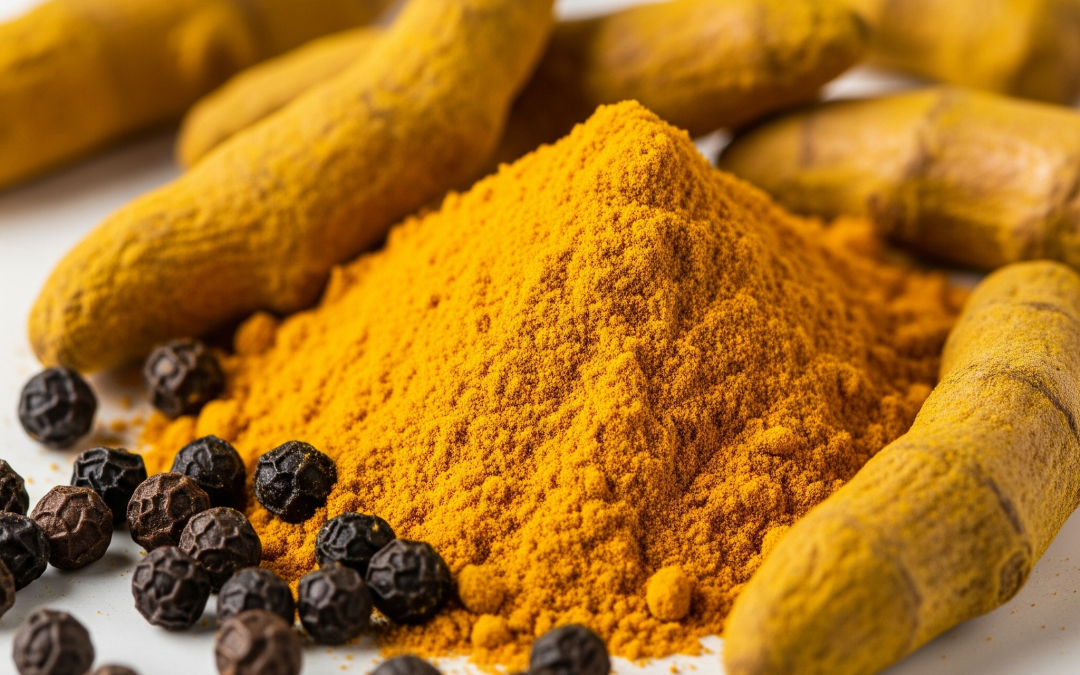
Madhu Savara’s Golden Touch: Your Essential Haldi (Turmeric) Guide
Step into any Indian kitchen, and the radiant presence of turmeric – or haldi, as we lovingly call it – is undeniable. That moment its earthy aroma hits the hot oil, you know an authentic Indian meal, rich in flavour and tradition, is about to begin. This vibrant, golden spice is far more than just a colouring agent; it’s the heart and soul of countless Indian dishes, revered for its profound significance and incredible versatility. Join me, Madhu Savara, as we embark on a journey to truly understand this golden marvel.
Part 2: Origin and Significance
The Ancient Roots: Origin and History of Turmeric
The story of Haldi stretches back thousands of years, rooted deeply in the rich soils of the Indian subcontinent and Southeast Asia. This humble rhizome, a cousin to ginger, has been cultivated in India for over 5,000 years, making it one of the oldest and most continuously used spices in human history. Initially, its vibrant yellow-orange pigment found use as a natural dye, painting fabrics and adorning bodies. However, its true power was soon discovered in traditional medicine systems, most notably Ayurveda, where it earned the title of a potent healer. From ancient texts detailing its therapeutic properties to its eventual journey along trade routes, spreading its golden glow across the world, the origin of turmeric is as rich and fascinating as its hue. It’s a spice steeped in time, carrying the wisdom of generations within its very essence.
More Than Just a Spice: Significance and Importance of Haldi
The importance of turmeric in India transcends the culinary realm; it’s deeply woven into the cultural and spiritual fabric of daily life. This golden spice embodies purity, fertility, and prosperity, making it an indispensable part of countless rituals and ceremonies. From the joyful Haldi ceremony at weddings, where a paste of turmeric is applied to the bride and groom for blessings, to its use in daily prayers (pujas) and religious festivals, its auspicious presence is felt everywhere. It’s a symbol of good fortune and a protector against negative energies. The wisdom surrounding Haldi’s diverse uses, passed down through grandmothers and traditional healers, highlights its integral role not just as a food ingredient but as a holistic entity that nourishes body, mind, and spirit within the Indian kitchen.
Part 3: Culinary Uses and Health Benefits
Haldi in the Kitchen: Culinary Uses and Tips
As a culinary star, Haldi lends its characteristic earthy, warm flavour and stunning yellow-orange hue to virtually every Indian dish. It’s the silent hero in your curries, dals, vegetable stir-fries, and even rice preparations like pulao, providing a subtle depth that binds flavours together. Often, it’s the very first Indian cooking spice to hit the hot oil or ghee in a tempering (tadka), releasing its full aroma and setting the base for the dish. When using turmeric powder, a crucial tip is to bloom it briefly in a little fat over low heat to intensify its colour and flavour without burning, which can lead to bitterness. For the best absorption of its star compound, curcumin, always remember to add a pinch of black pepper (which contains piperine) whenever you use turmeric in your cooking. This simple act significantly boosts its health benefits. For equipment, you’ll mainly need measuring spoons for powder or a grater for fresh root.
The Golden Elixir: Health Benefits of Turmeric
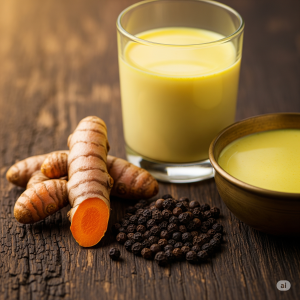
Embrace the warmth of Haldi Doodh! This comforting golden milk, surrounded by fresh turmeric root and black peppercorns, embodies the age-old wisdom of Indian wellness.
The true magic of Haldi lies in its profound health benefits of turmeric, largely attributed to its active compound, curcumin. This powerful component makes Indian turmeric a celebrated natural healer, particularly known for its potent anti-inflammatory properties. From soothing discomfort to aiding recovery, curcumin works at a cellular level to calm inflammation throughout the body. Beyond that, turmeric is a formidable antioxidant, diligently working to combat oxidative stress and protect your cells from damage. It’s traditionally used as an immunity booster, supports healthy digestion, and even offers benefits for skin health when applied topically or consumed regularly. A warm cup of Haldi Doodh (Golden Milk), a soothing blend of turmeric powder with milk and black pepper, is a beloved traditional remedy for boosting wellness and promoting restful sleep. Part 4: Other Uses, Selection, Storage, and Important Information
Beyond Cooking: Other Uses and Variations
The versatility of Haldi extends beyond the cooking pot. You can easily incorporate this golden spice into your daily turmeric use in various forms. Try adding a small piece of fresh turmeric root to your morning smoothies for an anti-inflammatory kick, or brew a comforting turmeric tea with hot water and a slice of ginger. For a savoury twist, toss roasted vegetables with turmeric for a vibrant colour and earthy flavour. Traditionally, Haldi is also used in homemade skincare masks for its brightening properties, making it a true all-rounder for wellness from the inside out.
Selecting & Storing Your Haldi
To harness the full power of turmeric, always select high-quality forms. For turmeric powder, look for a vibrant, deep yellow-orange hue and a strong, earthy aroma, indicating freshness. For fresh Haldi root, choose firm, plump roots free from blemishes or soft spots. Proper storage is key to preserving its potency. Store turmeric powder in a clean, dry, airtight container in a cool, dark pantry or cupboard, away from direct sunlight. This ensures a shelf life of up to 2-3 years, though its aroma may gradually lessen. Fresh Haldi root can be stored in the refrigerator for 2-3 weeks.
Important Information for Your Kitchen
When incorporating Haldi into your routine, keep these points in mind:
- Allergen Information: Turmeric is generally considered safe and naturally gluten-free and dairy-free. However, as with any spice, individual sensitivities can occur. If you have known spice allergies, consult a healthcare professional.
- Nutritional Information: While Haldi’s magic lies in its bioactive compounds, its basic nutritional value per typical serving (e.g., a teaspoon) is minimal: less than 15 calories, trace fats, and less than 3g of carbs. Its true power comes from its Curcumin and other phytochemicals.
Part 5: Conclusion, CTAs, and Disclaimer
Conclusion: Your Golden Path to Wellness
Haldi, the radiant golden spice, is truly a gift from nature. From its ancient origin to its revered importance in Indian kitchens and traditional wellness practices, turmeric offers a world of flavour, vibrant colour, and profound well-being. By understanding its multifaceted uses, powerful benefits, and how to embrace it daily, you can enrich your culinary creations and walk a golden path to holistic wellness. I, Madhu Savara, invite you to make this powerhouse Indian spice a cherished part of your daily journey.
Call to Action (CTAs)
- Share Your Haldi Magic: How do you love using Turmeric in your daily life? Share your tips and recipes in the comments below!
- Discover More: Explore our other comprehensive guides on Indian spices and traditional recipes on Madhu Savara’s kitchen!
- Stay Connected: Don’t miss out on more insights and delicious content – follow Madhu Savara’s WhatsApp channel!
Disclaimer
Please note: The information provided in Madhu Savara’s Essential Haldi Guide regarding the traditional uses and potential health benefits of turmeric is for general knowledge and informational purposes only, and does not constitute medical advice.
