
Madhu Savara’s Signature Rajma Rice for Pure Comfort
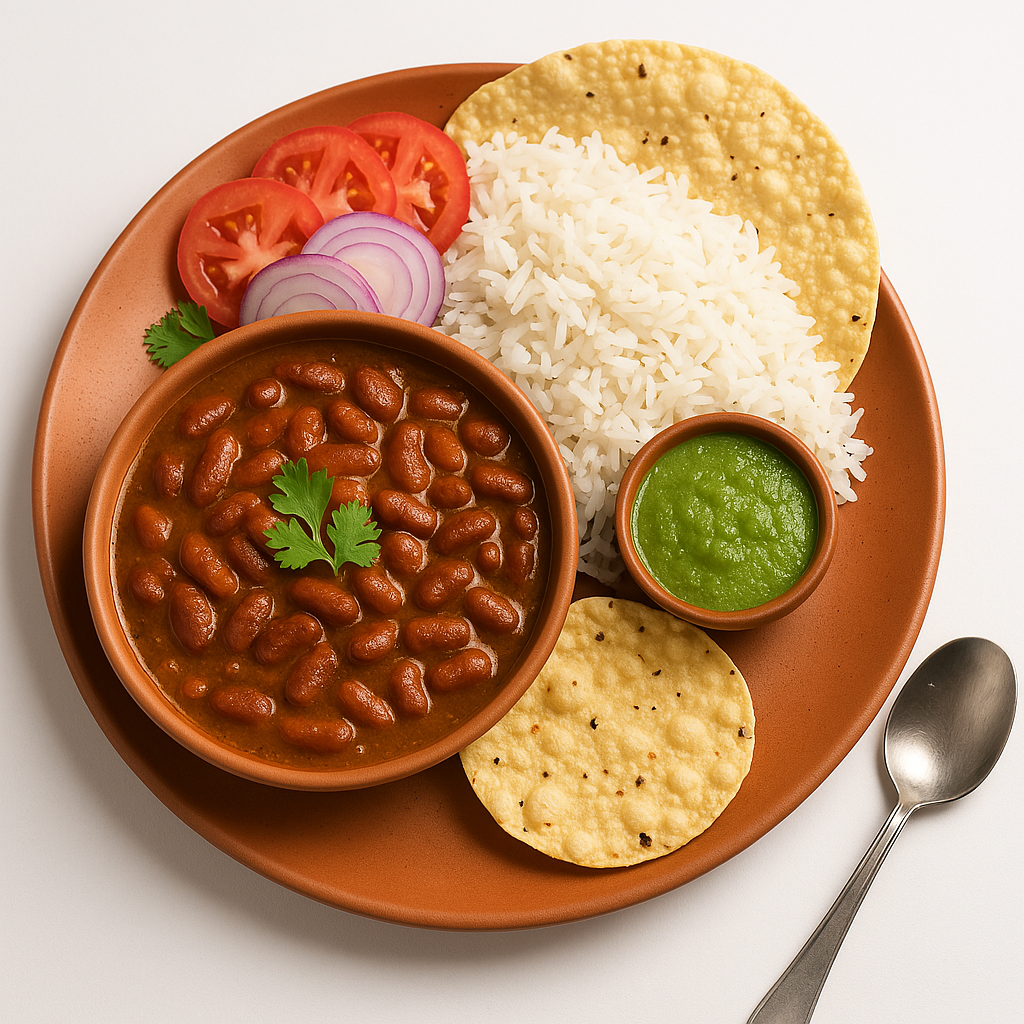
Rajma Chawal Recipe – The Quintessential North Indian Comfort Food
Looking for an authentic Punjabi Rajma Chawal recipe? You’ve landed in the right place. Rajma Rice, or Rajma Chawal, holds an unparalleled place in Indian culinary heritage—especially in North India. This comforting dish of red kidney beans curry simmered in a richly spiced tomato gravy and served with hot, fluffy basmati rice is the ultimate expression of home-cooked love.
Originally cultivated in Central America, red kidney beans found their soul in Indian soil—flourishing in regions like Jammu, Himachal Pradesh, and Punjab. Over time, rajma evolved into a hearty North Indian delicacy, layered with spices like cumin, coriander, hing, and turmeric.
This Punjabi Rajma Chawal recipe is not only delicious but also nutritious—high in plant protein and dietary fibre, making it a favourite among vegetarians and health seekers alike.
Chef Madhu Savara’s recipe takes you through a foolproof, step-by-step method to recreate this timeless classic at home. Whether you’re cooking for a weekend lunch, a weekday dinner, or simply craving comfort food, this easy rajma recipe for rice will become a staple in your kitchen.
Servings
4 people
Preparation Time:
15 minutes
Cooking Time:
35 minutes
Calories
340
Ingredients
Standardised Measurements)
For Rajma:
- 1 cup red kidney beans (rajma), soaked overnight
- 3 tbsp mustard oil or ghee
- 1 large onion, finely chopped
- 2 medium tomatoes, pureed
- 1 tbsp ginger-garlic paste
- 1 green chilli, slit
- ½ tsp turmeric powder
- 1 tsp red chilli powder
- 1 tsp cumin seeds
- 1 tsp coriander powder
- ½ tsp garam masala
- Salt to taste
- 3 cups water
- Fresh coriander leaves for garnish
For Rice:
- 1 cup basmati rice
- 2 cups water
- ½ tsp salt
- 1 tsp ghee
Equipment Needed
- Pressure cooker or heavy-bottomed pan
- Saucepan for rice
- Spatula
- Mixing bowls
- Strainer
Nutrition Information
- Calories: 340 kcal
- Protein: 11g
- Carbohydrates: 52g
- Fat: 9g
- Fibre: 13g
Step by Step Instructions
- Soak the rajma overnight in 3 cups of water. Rinse and drain before cooking.
- In a pressure cooker, add soaked rajma and 3 cups of water. Pressure cook for 5 whistles on medium flame. Let pressure release naturally.
- In a heavy-bottomed pan, heat mustard oil until it just begins to smoke lightly. Add cumin seeds and let them crackle.
- Add finely chopped onions. Sauté on medium flame until golden brown, stirring frequently to avoid burning.
- Add ginger-garlic paste and slit green chilli. Cook for 2 minutes until the raw smell disappears.
- Stir in turmeric powder, red chilli powder, and coriander powder. Mix well and cook for 1-2 minutes on a low flame to roast the spices gently.
- Add pureed tomatoes and cook until the oil starts to separate from the masala (about 8-10 minutes).
- Add the cooked rajma along with its cooking water. Mash a few beans lightly with the back of a spoon to thicken the gravy.
- Let it simmer on low heat for 20 minutes, stirring occasionally to avoid sticking.
- Season with salt and sprinkle garam masala. Simmer for an additional 5 minutes.
- Garnish with fresh coriander leaves.
For the Rice:
- Rinse basmati rice twice until the water runs clear. Soak for 20 minutes if time permits, then drain.
- Boil 2 cups of water in a saucepan, add salt and ghee. Add drained rice.
- Cover and cook on low heat for 12-15 minutes or until all water is absorbed and rice is tender but not mushy.
- Fluff with a fork and let rest covered for 5 minutes before serving.
Tips and Variations
- For a smoky flavour, try the traditional dhungar method by placing hot charcoal in a small bowl in the curry and covering the pan tightly for 5 minutes.
- Add a pinch of kasuri methi (dried fenugreek leaves) for an earthy aroma.
- For a creamier texture, add a tablespoon of butter or fresh cream before serving.
- Adjust spice levels by reducing green chilli or red chilli powder according to preference.
Allergen Information
Contains legumes (rajma). Check for mustard oil or ghee allergies if applicable. Naturally gluten-free and vegetarian.
Other Essentials
Serving Suggestions
Serve steaming hot Rajma Rice with raw onion rings, green chilli, and a side of tangy Indian pickle. A crisp papad or a fresh cucumber raita complements this meal perfectly.
Storage Instructions
Store leftover rajma curry in an airtight container in the refrigerator for up to 3 days. Reheat gently on the stove or microwave. Cooked rice is best consumed fresh, but can be refrigerated for 1 day and reheated.
Call to Action
Try this delicious Rajma Rice recipe at home and let us know your feedback in the comments below! Don’t forget to share with your friends.
👉 Join us on Facebook: facebook.com/MadhuSavaraKitchen
Disclaimer
Important Notice: Read Before Proceeding
The recipes, preparation methods, nutritional details, and related content published on Madhu Savara’s website, social media, and associated platforms are intended solely for general informational and educational purposes. While every effort has been made to ensure accuracy and reliability, we make no guarantees regarding the results, safety, or accuracy of any recipe presented here.
We are not licensed nutritionists, dieticians, or medical professionals. The nutritional values provided are estimates only, calculated using third-party tools, and should not be used for medical diagnosis, dietary treatment, or allergy management. If you have any medical conditions, dietary restrictions, or food allergies, please consult your doctor or certified dietitian before attempting any recipe.
Cooking inherently involves sharp tools, high heat, and the risk of injury or fire. You assume full responsibility for your kitchen practices. Madhu Savara, the website, and all contributors shall not be held liable for any damage, injury, loss, or adverse outcome resulting directly or indirectly from the preparation, consumption, or interpretation of any content herein.
By using this website and attempting any recipe, you agree to hold harmless and indemnify Madhu Savara and her team from any liability, legal claim, or damages arising from the use of this content. You are encouraged to exercise independent judgment and take full responsibility for your health, kitchen safety, and actions.
