
Madhu Savara's Benami Kheer: Lost Indian Recipe Unveiled
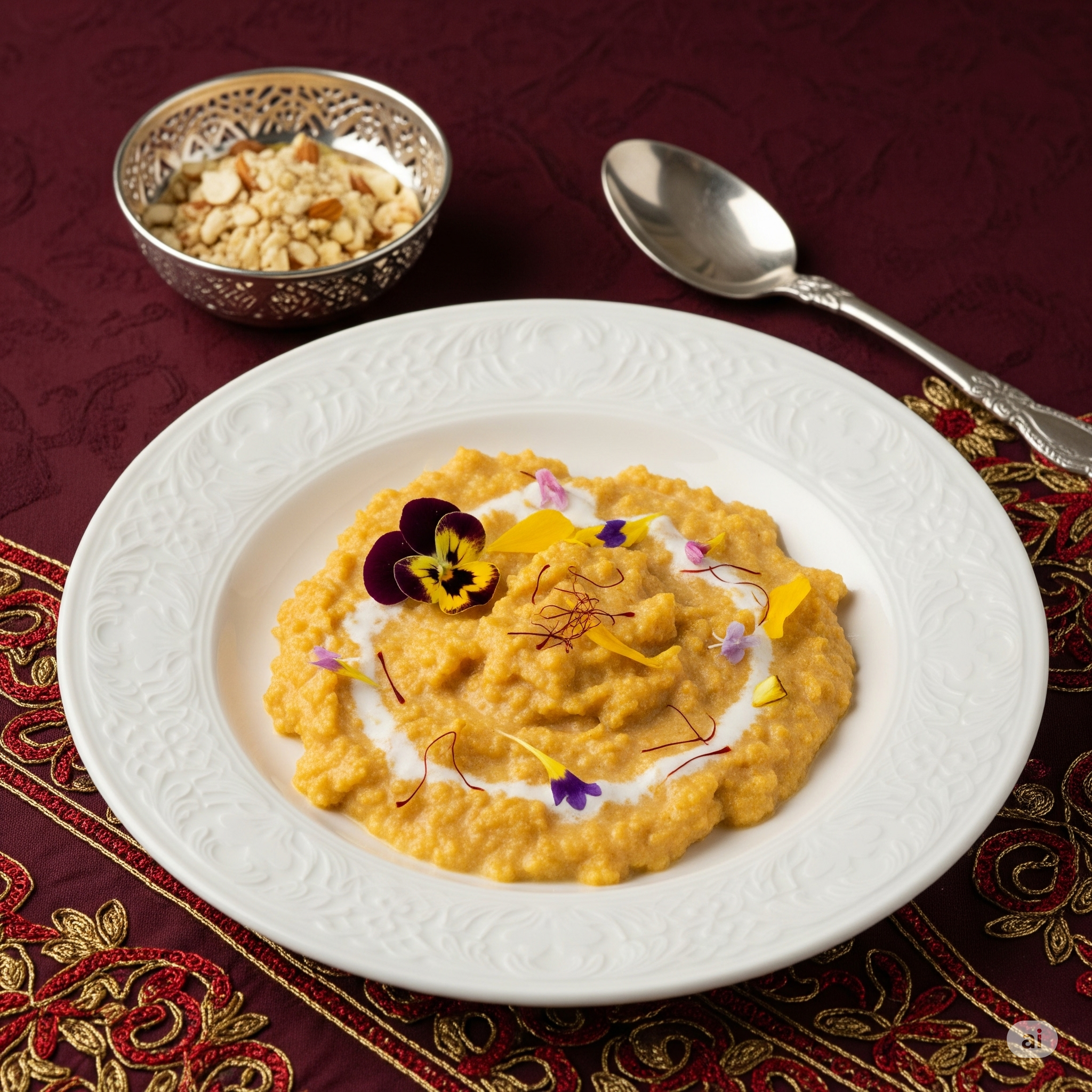
Preface: A Culinary Resurrection & The Benami Kheer Legacy
In the annals of Indian gastronomy, certain dishes stand as testaments to an era of unparalleled culinary artistry. These creations, often cloaked in mystique, speak volumes of the ingenuity and sophisticated palates that once graced royal courts. Our journey today takes us back to such an epoch, to unearth a delicacy that defies conventional understanding – the Benami Kheer. This exploration is not merely about a recipe; it is a meticulous archaeological excavation of a forgotten flavour, a delicate dance between historical reverence and contemporary precision. At Madhu Savara, our commitment is to preserve and present these profound culinary legacies with the authenticity and respect they command, especially when it comes to a lost Indian recipe as intriguing as this Mughal Kheer.
Introduction: The Nameless Wonder & The Allure of Mughal Kheer
The Benami Kheer, literally translating to “The Nameless Kheer,” is a dessert shrouded in an intriguing paradox. Its enigmatic appellation stems from a closely guarded secret, a hidden ingredient that, when unveiled, often elicits disbelief. This particular kheer (a traditional Indian milk pudding) from the kitchens of the Mughal Empire challenges the very notion of flavour profiles, seamlessly integrating an ingredient traditionally associated with pungency into a sweet, aromatic, and profoundly rich confection. The mastery lay in completely neutralising the inherent character of this ingredient, leaving only a subtle, almost imperceptible enhancement to the kheer’s creamy texture and nuanced sweetness. It was a culinary sleight of hand, a testament to the Mughal chefs’ profound understanding of ingredients and transformative cooking techniques, making it a unique Mughal Kheer.
Significance: Beyond the Palate – Why This Lost Indian Recipe Matters
The significance of Benami Kheer extends beyond its extraordinary taste. It embodies several key aspects of Mughal culinary philosophy, making it an essential lost Indian recipe to rediscover:
- Ingenuity and Innovation: It showcases a daring experimentalism, pushing boundaries to create entirely new sensory experiences.
- Secrecy and Exclusivity: As a royal dish, its preparation was often clandestine, contributing to its allure and status.
- Ingredient Transformation: It exemplifies the art of transforming humble or unlikely ingredients into luxurious components, a hallmark of sophisticated cooking.
- Cultural Legacy: Its revival offers a tangible link to a rich culinary heritage, allowing us to taste a piece of history, cementing its status as a vital lost Indian recipe.
Origin: Whispers from the Royal Kitchens of Royal Indian Dessert
The precise historical genesis of Benami Kheer remains somewhat elusive, as is common with many royal recipes passed down through oral traditions and private family collections. However, culinary historians widely attribute its emergence to the Mughal era in India. The Mughal emperors were renowned patrons of the arts, architecture, and, crucially, gastronomy. Their kitchens were vibrant epicentres of innovation, drawing influences from Persia, Central Asia, and indigenous Indian traditions, birthing many a royal Indian dessert.
Chefs in these royal establishments were often encouraged to experiment, to create dishes that would surprise and delight the imperial palate. The Benami Kheer likely emerged from such an environment, where the challenge was to create a novel dessert that would mystify diners. The use of garlic, the “secret” ingredient, in a sweet dish was a stroke of genius–or perhaps, audaciousness–that distinguished this royal Indian dessert from other confections. It speaks to a time when culinary invention was valued as much as military conquest.
Importance: A Legacy of Innovation in Garlic Kheer
The importance of preserving and understanding Benami Kheer lies in its representation of a lost art form. In an age where molecular gastronomy often dominates discussions of culinary innovation, this ancient recipe demonstrates that profound transformations were achievable through sheer skill, patience, and an intimate knowledge of ingredients. It serves as a reminder for anyone interested in a truly unique garlic kheer:
- Of the value of traditional techniques: The meticulous preparation of the garlic is a masterclass in flavour manipulation without reliance on artificial agents.
- Of culinary daring: It inspires modern chefs and home cooks to think beyond conventional pairings, especially with a dish as unconventional as a garlic kheer.
- As a historical document, each bite connects us to the grandeur and refined tastes of a bygone era, allowing us to experience culinary history tangibly.
- For intellectual curiosity: It sparks discussion and academic interest in the evolution of regional and royal Indian cuisines.
Servings
6-8 persons
Preparation Time:
45 minutes
Cooking Time:
2.50 hrs
Calories
380
Ingredients
- For the Garlic Preparation (key to Garlic Kheer):
- Garlic Cloves: 100 grams (approx. 2 medium-sized whole garlic bulbs, peeled)
- Full-Cream Milk: 1 litre (for blanching)
- Water: As required
- For the Kheer:
- Full-Cream Milk: 2 litres
- Sugar: 150-200 grams (adjust to taste for this Royal Indian Dessert)
- Green Cardamom Pods: 8-10 (crushed lightly, seeds extracted)
- Saffron Strands: 15-20 (soaked in 2 tablespoons warm milk)
- Blanched Almonds: 1 tablespoon (slivered)
- Pistachios: 1 tablespoon (slivered)
- Ghee (Clarified Butter): 1 teaspoon (optional, for sautéing garlic paste for Benami Kheer)
Equipment Needed
- Large, Heavy-Bottomed Saucepan/Pot (preferably non-stick or cast iron, for Benami Kheer)
- Medium Saucepan (for blanching garlic)
- Fine-Mesh Sieve
- Blender or Mortar and Pestle
- Small Bowl (for saffron milk)
- Spatula/Wooden Spoon
- Measuring Cups and Spoons
Nutrition Information
(Per Portion, approx. 150g of Benami Kheer)
- Carbohydrates: 35-45g (primarily from sugar and milk lactose)
- Protein: 8-12g (from milk and nuts)
- Fat: 12-18g (from full-cream milk, nuts)
- Fibre: 1-2g (from garlic, nuts)
- Vitamins & Minerals: Contains calcium (milk), Vitamin A (milk), and trace minerals from nuts and saffron.
Note: The nutritional benefits of garlic, such as allicin, are largely diminished due to the extensive cooking process involved in neutralising its pungency for garlic kheer. The contribution here is primarily textural and subtle in flavour, not medicinal.
Step by Step Instructions
Step-by-Step Elaboration of Benami Kheer
This recipe demands patience and precision, particularly in the initial treatment of the garlic. Adherence to these steps is critical for achieving the desired outcome – a sweet, creamy kheer devoid of any garlic flavour, creating the perfect Benami Kheer.
Phase 1: Preparing the Garlic (The Secret Unveiled for Garlic Kheer)
- Peeling and Initial Rinse: Carefully peel all the garlic cloves. Rinse them thoroughly under cold running water to remove any loose skin or impurities.
- First Blanching (Water): Place the peeled garlic cloves in a medium saucepan. Cover with fresh water and bring to a rolling boil. Allow it to boil vigorously for 5-7 minutes. This is the first step in neutralising the garlic for your Benami Kheer.
- Drain and Rinse: Drain the water completely using a fine-mesh sieve. Immediately rinse the boiled garlic under cold running water for a minute. This stops the cooking process and further washes away volatile compounds.
- Second Blanching (Milk): Return the blanched garlic to the clean saucepan. Pour 500 ml of full-cream milk over the garlic, ensuring it’s fully submerged. Bring to a boil, then reduce heat to a simmer and cook for 10-12 minutes. This crucial step further removes garlic pungency for the Mughal Kheer.
- Drain and Repeat: Drain the milk thoroughly. Rinse the garlic again under cold water. Discard the milk; it will carry the pungent flavour compounds.
- Third Blanching (Fresh Milk): Repeat steps 4 and 5, using another 500 ml of fresh full-cream milk. Boil, simmer, drain, and rinse. The meticulousness here ensures a true lost Indian recipe experience.
- Pulping the Garlic: Once the garlic cloves are cool enough to handle, transfer them to a blender or mortar and pestle. Add 2 tablespoons of water (or milk, if preferred) and blend/grind into a very fine, smooth paste. Ensure there are no discernible chunks. Set this paste aside for your royal Indian dessert.
Phase 2: Preparing the Kheer Base
- Reducing the Milk: In a large, heavy-bottomed pot, pour the 2 litres of full-cream milk. Place over medium heat and bring it to a gentle boil, stirring occasionally to prevent scorching.
- Slow Simmer: Once boiling, reduce the heat to low. Allow the milk to simmer gently, stirring frequently to prevent a skin from forming on top and to ensure even reduction. The goal is to reduce the milk to about half its original volume, making it thick and creamy. This process will take approximately 1.5 – 2 hours. Patience is key here for your Benami Kheer.
Phase 3: Combining and Finishing the Kheer
- Incorporating the Garlic Paste: Once the milk has thickened to the desired consistency, add the finely prepared garlic paste to the simmering kheer. Stir continuously for 5-7 minutes to ensure it is thoroughly integrated and cooked into the milk. The milk will absorb any remaining trace flavours of the garlic, creating the unique garlic kheer.
- Sweetening: Add the sugar to the kheer. Stir well until the sugar completely dissolves. Taste and adjust the sweetness if necessary for this Mughal Kheer.
- Aromatics and Nuts: Add the crushed green cardamom seeds and the saffron strands soaked in milk. Stir gently. Now, add the slivered almonds and pistachios (reserving a few for garnish).
- Final Simmer: Continue to simmer the kheer on low heat for another 10-15 minutes, stirring occasionally, allowing all the flavours to meld and the kheer to thicken slightly further. The consistency should be rich and pourable, but not watery. This final step perfects your royal Indian dessert.
- Resting: Once done, remove the kheer from the heat. Cover the pot and let it rest for at least 30 minutes. This allows the flavours to deepen and the kheer to set slightly as it cools, making it a perfect lost Indian recipe revival.
Tips and Variations
Madhu Savara’s Tips for Variations (for your Benami Kheer)
- Aromatic Enhancement: For an even richer aroma, toast the prepared garlic paste lightly in 1 teaspoon of ghee before adding it to the simmering milk. This adds a subtle nutty depth to your Mughal Kheer.
- Nut Profile: Experiment with different nuts. Cashews, char magaz (melon seeds), or even chironji (kundapana nuts) can be added for varied textures and flavours. Ensure they are blanched and finely chopped or slivered for this royal Indian dessert.
- Sweetener Alternatives: While traditional sugar can be partially replaced with jaggery (gur) for a more rustic flavour, or with condensed milk for added creaminess and reduced cooking time. If using jaggery, dissolve it separately in a small amount of warm milk, strain, and add at the very end to prevent curdling.
- Essence of Rose/Kewra: A drop or two of high-quality rose water or kewra essence can be added at the very end, just before serving, to enhance the floral notes characteristic of Mughal Kheer.
- Garnishing Innovation: Beyond traditional slivered nuts, consider edible silver leaf (varq) for a truly regal presentation of your Benami Kheer, or a sprinkle of finely crushed dried rose petals.
Allergen Information
- Dairy: Contains a significant amount of milk. Not suitable for individuals with lactose intolerance or milk allergies.
- Nuts: Contains almonds and pistachios. May contain traces of other nuts depending on processing. Not suitable for individuals with nut allergies.
- Garlic: While the pungency is removed, trace compounds may remain. Individuals with severe garlic allergies should exercise caution or avoid this lost Indian recipe.
Other Essentials

Disclaimer
Important Notice: Read Before Proceeding
The recipes, preparation methods, nutritional details, and related content published on Madhu Savara’s website, social media, and associated platforms are intended solely for general informational and educational purposes. While every effort has been made to ensure accuracy and reliability, we make no guarantees regarding the results, safety, or accuracy of any recipe presented here.
We are not licensed nutritionists, dieticians, or medical professionals. The nutritional values provided are estimates only, calculated using third-party tools, and should not be used for medical diagnosis, dietary treatment, or allergy management. If you have any medical conditions, dietary restrictions, or food allergies, please consult your doctor or certified dietitian before attempting any recipe.
Cooking inherently involves sharp tools, high heat, and the risk of injury or fire. You assume full responsibility for your kitchen practices. Madhu Savara, the website, and all contributors shall not be held liable for any damage, injury, loss, or adverse outcome resulting directly or indirectly from the preparation, consumption, or interpretation of any content herein.
By using this website and attempting any recipe, you agree to hold harmless and indemnify Madhu Savara and her team from any liability, legal claim, or damages arising from the use of this content. You are encouraged to exercise independent judgment and take full responsibility for your health, kitchen safety, and actions.
