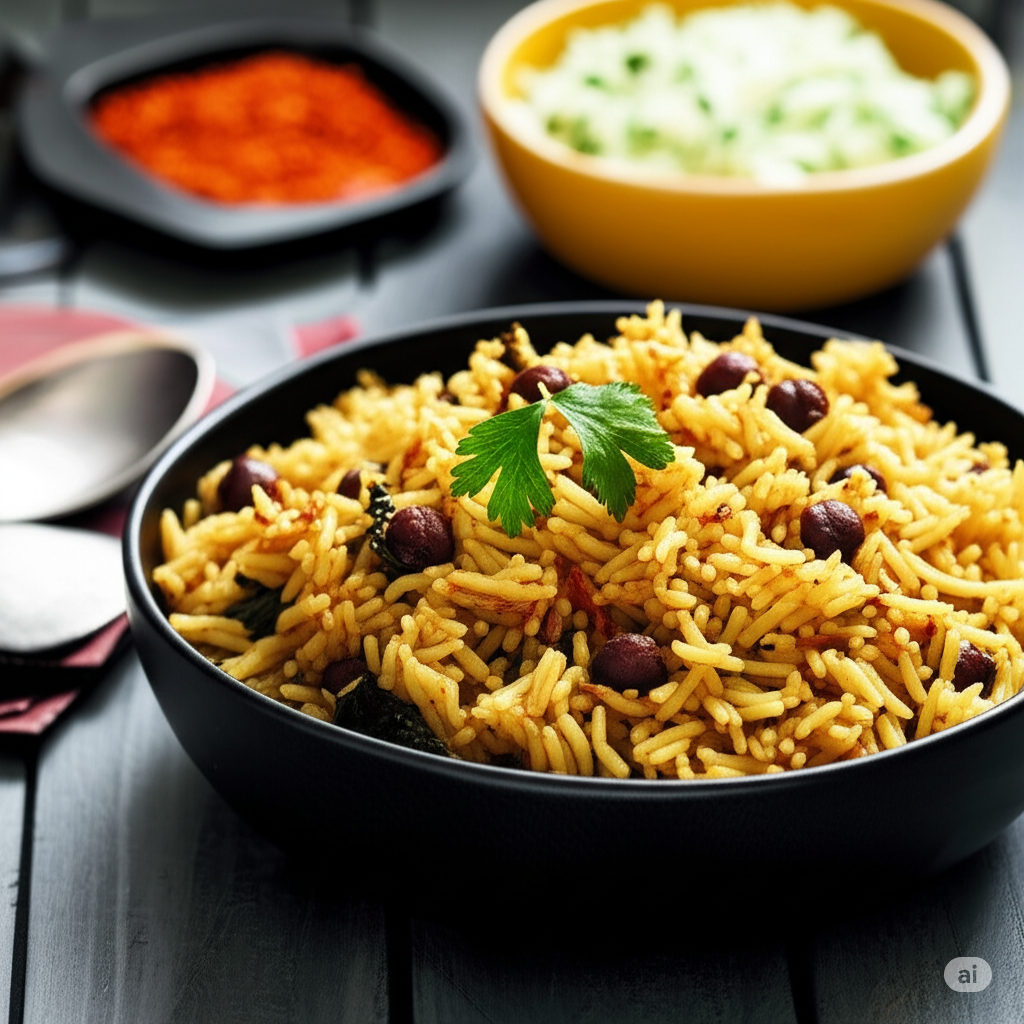
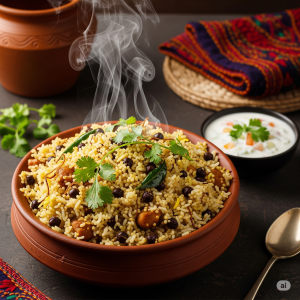
Our Kale Chaney Biryani is pure comfort! ✨ Layers of aromatic spices, tender black chickpeas, and fluffy rice create a truly wholesome, protein-packed vegan delight. Find the recipe on Madhusavara.com!
Table of Contents
- Preface: The Evolving Plate of Indian Cuisine
- Introduction: The Soul of Biryani Reimagined for Tomorrow
- Why This Biryani is More Than Just a Meal: The Health Revolution
- High-Protein Millet & Black Chickpea Biryani Recipe
- Recipe At-A-Glance: Time & Nutrition
- Allergen Information
- Ingredients
- Equipment
- Instructions
- Serving Suggestion
- Madhusavara’s Expert Tips & Variations
- Conclusion: A New Chapter in Conscious Cooking
- Share Your Culinary Journey with Madhusavara
Preface: The Evolving Plate of Indian Cuisine
In the heart of India, where culinary traditions are deeply ingrained in our culture, a quiet revolution is underway. The aroma of spices still fills our homes, but the ingredients themselves are changing, reflecting a global shift towards mindful eating and sustainable living. As Madhusavara, my mission has always been to honour our rich culinary heritage while adapting it for a healthier, more conscious future. This means revisiting ancient grains, embracing plant-based proteins, and reimagining beloved classics. The demand for high-protein Indian recipes, particularly those that are vegan and gluten-free, is no longer a niche – it’s the heartbeat of modern Indian kitchens. This recipe for High-Protein Millet & Black Chickpea Biryani is a direct response to that evolution, a promise of flavour without compromise.
Introduction: The Soul of Biryani Reimagined for Tomorrow
Few dishes evoke the culinary poetry of India quite like Biryani. Its very name whispers tales of fragrant spices, succulent layers, and celebratory feasts. From the royal kitchens of Lucknow to the bustling streets of Hyderabad, Biryani has been the undisputed monarch of many an Indian dinner table. But what if we could capture that same magic, that deep, soulful satisfaction, while embracing the evolving needs of our bodies and our planet?
At Madhusavara, our journey has always been about unearthing India’s endangered food heritage and reinterpreting it through a lens of health and conscious living. Today, we invite you to embark on a culinary adventure that transcends tradition, marrying the ancient wisdom of forgotten grains with the vibrant heart of plant-based nutrition. This isn’t just a recipe; it’s a testament to the fact that healthy eating doesn’t mean sacrificing flavour or heritage.
Welcome to the future of Biryani: a high-protein millet and black chickpea biryani

Elevate your plate with our High-Protein Millet & Black Chickpea Biryani! This isn’t just a meal; it’s a celebration of health meets heritage.
That is not only exquisitely delicious but also entirely vegan and gluten-free. It’s a dish designed to nourish your body, delight your senses, and leave you feeling light, yet deeply satisfied. We’re talking about unlocking the power of indigenous Indian millets and humble black chickpeas to create a Biryani that stands proudly alongside its traditional counterparts, proving that wholesome can truly be wonderful. For those seeking healthy Indian Biryani options, your search ends here. This is the best high-protein vegan Biryani recipe you’ll encounter.
Why This Biryani is More Than Just a Meal: The Health Revolution
As a culinary explorer, I’m constantly seeking ingredients that offer both flavour and profound health benefits. This recipe is a culmination of that quest, leveraging the incredible properties of two unsung heroes, aligning perfectly with searches for nutrient-dense Indian meals and plant-based high-protein food:
- Millets: The Ancient Grains of Tomorrow: Long overlooked in favour of refined grains, millets like Foxtail, Kodo, or Little Millet are making a glorious comeback. They are not just naturally gluten-free but boast a lower glycemic index than rice, making them excellent for blood sugar management – a key factor in any healthy Indian diet. Rich in fibre, they promote gut health and satiety, preventing those post-meal slumps. Each tiny grain is a powerhouse of essential minerals like magnesium, phosphorus, and iron. This makes for a truly healthy Biryani alternative and a protein-packed millet dish.
- Black Chickpeas (Kala Chana): The Protein Powerhouse: These humble legumes are a staple in Indian kitchens for a reason. Black chickpeas are an incredible source of plant-based protein, crucial for muscle repair and overall vitality. They are also packed with dietary fibre, supporting digestion and heart health. They are an ideal ingredient for any vegan high-protein recipe and contribute significantly to the kala chana protein content.
- The Synergistic Blend: When millets and black chickpeas come together, they create a complete protein profile, offering all essential amino acids typically found in animal proteins. This makes our Biryani a truly satisfying and nourishing meal for everyone, especially those on a vegan journey. This High-Protein Millet & Kala Chana Biryani is the epitome of wholesome indulgence, designed for optimal well-being.
This Biryani is designed to be your go-to dish for a healthy, high-protein, and utterly delicious weeknight dinner or even a celebratory weekend feast. It proves that wholesome food can be incredibly exciting. For searchers looking for easy vegan Indian dinner recipes or gluten-free Indian comfort food, this dish delivers.
Servings
Preparation Time:
Cooking Time:
Calories
Ingredients
For the Millet Base:
- 1 cup (200g) Foxtail Millet (Kangni) or Kodo Millet (Kodra) – choose your preferred gluten-free millet for this recipe, ensuring a delightful millet Biryani.
- 2 cups (480ml) warm water
- ½ tsp Salt
- 1 tbsp Vegan Ghee or Coconut Oil
For the Black Chickpea (Kala Chana) Masala:
- 1 cup (200g) dried Black Chickpeas (Kala Chana), soaked overnight (or minimum 4-6 hours), then boiled until tender but firm (about 20-25 mins in a pressure cooker with 3 cups water). Essential for high-protein Biryani and that rich kala chana protein.
- 2 tbsp Vegan Ghee or Coconut Oil
- 2 Bay Leaves (Tej Patta)
- 4-5 Green Cardamoms (Choti Elaichi)
- 2-3 Cinnamon Sticks (Dalchini), 1-inch pieces
- 4-5 Cloves (Laung)
- 1 tsp Cumin Seeds (Jeera)
- 2 large Onions, thinly sliced
- 1 tbsp Ginger-Garlic Paste
- 2-3 Green Chillies, slit lengthwise (adjust to taste)
- 1 large Tomato, finely chopped
- ½ cup (120g) Vegan Curd/Yoghurt (unsweetened, plain) – ensures our vegan Biryani remains rich and creamy, a key element in plant-based Indian food.
- ¼ cup finely chopped Coriander Leaves
- ¼ cup finely chopped Mint Leaves
- Dry Spice Powders:
- 1 tbsp Coriander Powder (Dhaniya Powder)
- 1 tsp Cumin Powder (Jeera Powder)
- 1 tsp Turmeric Powder (Haldi Powder)
- 1 tsp Red Chilli Powder (Degi Mirch for colour, or hotter as per taste)
- 1 tbsp Biryani Masala (good quality, store-bought or homemade) – key for authentic Biryani flavour.
- ½ tsp Garam Masala
- Salt to taste
For Layering (Optional but Recommended for Authenticity):
- ½ cup Crispy Fried Onions (Bhavna Pyaz) – use minimal oil or air-fry for a healthier version
- A few strands of Saffron (Kesar), soaked in 2 tbsp warm plant-based milk (e.g., almond milk)
- 2 tbsp fresh Mint Leaves, chopped
- 2 tbsp fresh Coriander Leaves, chopped
- 1-2 tbsp Vegan Ghee or Coconut Oil (for drizzling)
Equipment Needed
- Heavy-bottomed pot with a tight-fitting lid (Dutch oven works well)
- Pressure cooker (for chickpeas)
Nutrition Information
serving (approximate):
-
- Protein: 18-22g
- Fibre: 10-14g
- Carbohydrates: 60-65g
- Fats: 8-12g (dependent on oil/ghee usage)
- Note: These values are approximate and can vary based on specific brands, cooking methods, and exact quantities. For precise nutritional information, please use a dedicated nutritional calculator.
Step by Step Instructions
Phase 1: Prepare the Millet & Chickpeas
- Soak & Cook Chickpeas: Ensure your black chickpeas are soaked for 4-6 hours (or overnight). This crucial step significantly reduces cooking time and aids in better digestion of the kala chana. Drain, rinse, and pressure cook with 3 cups of fresh water for 20-25 minutes, or until tender but still holding their shape. Drain and set aside.
- Cook the Millet: Rinse the millet thoroughly under running water until the water runs clear. In a medium pot, combine the rinsed millet, 2 cups warm water, and ½ tsp salt. Bring to a boil, then reduce heat to low, cover, and simmer for 15-20 minutes, or until all water is absorbed and millet is fluffy. Do not stir frequently. Once cooked, fluff gently with a fork. Add 1 tbsp vegan ghee/coconut oil and gently mix. Cover and let it rest. Achieving perfectly fluffy millet is key for a light, healthy Biryani.
Phase 2: Craft the Biryani Masala (Curry Base)
- Sauté Aromatics: In a heavy-bottomed pot (the same one you’ll layer in), heat 2 tbsp vegan ghee or coconut oil over medium heat. Add bay leaves, green cardamoms, cinnamon sticks, cloves, and cumin seeds. Sauté for 30 seconds until fragrant, allowing the whole spices to bloom and infuse the oil – the soul of any authentic Biryani flavour.
- Brown Onions: Add the thinly sliced onions. Sauté patiently, stirring occasionally, until they turn golden brown and caramelised (about 10-15 minutes). This step is crucial for the deep, sweet, umami flavour base of our Biryani masala. Do not rush this, as it significantly impacts the final taste.
- Ginger-Garlic & Green Chillies: Add ginger-garlic paste and slit green chillies. Sauté for 2-3 minutes until the raw smell disappears and the aromatics are fragrant.
- Tomatoes & Spices: Add the finely chopped tomato and cook until it softens and the oil begins to separate (about 5-7 minutes). Now, lower the heat and add all the dry spice powders: coriander, cumin, turmeric, red chilli, Biryani masala, and garam masala. Sauté for 1-2 minutes, adding a splash of water if needed to prevent burning. This dry roasting of spices brings out their full aroma.
- Vegan Curd & Chickpeas: Take the pot off the heat for a minute to prevent the vegan curd from curdling. Gradually whisk in the vegan curd until well combined. Return to low heat. Add the boiled black chickpeas, chopped coriander, and mint leaves. Mix gently. Adjust salt to taste. Simmer for 5 minutes, allowing the flavours to meld and the kala chana to fully absorb the rich masala. This is your robust, aromatic Kala Chana Biryani masala.
Phase 3: The Art of Layering (Dum Cooking)
- First Layer: Spread half of the cooked black chickpea masala evenly at the bottom of the pot. Ensure a generous, even layer.
- Millet Layer: Gently layer half of the fluffy cooked millet over the masala, spreading it evenly without compacting. Sprinkle with a handful of fresh chopped mint and coriander leaves.
- Second Masala Layer: Spread the remaining black chickpea masala over the millet, ensuring every grain has a chance to soak up the flavour.
- Final Millet Layer: Top with the remaining cooked millet, spreading it gently to form a distinct final layer.
- Garnishing & Saffron: Sprinkle the top layer with the remaining chopped mint and coriander leaves, and the crispy fried onions (if using). Drizzle the saffron-infused plant milk evenly over the top, adding both colour and subtle aroma. Add a few dots of vegan ghee or coconut oil for extra richness and a glossy finish to your high-protein Biryani.

Distinct layers of fluffy millet and rich kala chana masala.
Visual proof that vegan & gluten-free can be stunning.”
Phase 4: Dum (Sealing the Flavours)
- Seal the Pot: Cover the pot tightly with a lid. For traditional “dum” cooking, you can seal the edges with a strip of dough (made from whole wheat flour and water) to prevent steam from escaping. This ensures all the aromatic steam remains within the pot, infusing the layers.
- Slow Cook (Dum): Place the pot on a very low flame (or use a heavy-bottomed tawa/griddle underneath if your burner’s flame is too high) for 20-25 minutes. This slow cooking allows the flavours to infuse deeply, and the millet to absorb the aromatic steam, resulting in perfectly moist and flavourful grains. Do not lift the lid during this process.
- Rest: Once cooked, switch off the flame and let the Biryani rest, undisturbed, for at least 10-15 minutes. This crucial resting period allows the flavours to deepen further and the grains to become perfectly separated and fluffy. This complete “dum” process truly develops the authentic Biryani flavour in this millet Biryani.
Tips and Variations
- Millet Choice: Experiment with different millets like Kodo or Little Millet. Each offers a slightly different texture and flavour profile. Ensure you follow the specific water-to-millet ratio and cooking time for your chosen millet. This helps you master millet cooking for various dishes.
- Soaking Chickpeas: Don’t skip the soaking! It dramatically reduces cooking time and aids digestion, especially for kala chana. If you’re short on time, use canned black chickpeas, but rinse them thoroughly to remove excess sodium.
- Flavour Depth: The secret to a truly great Biryani lies in patient sautéing, especially of the onions. Don’t rush this step; properly caramelised onions contribute immense depth to your Biryani masala.
- Spice Control: Adjust green chillies and red chilli powder to your preferred spice level. A good quality Biryani masala is key for authentic flavour. Consider making your own Biryani masala for a truly bespoke taste.
- Added Vegetables: Feel free to add diced carrots, green beans, or potatoes to the masala for extra nutrition and texture. Add them along with the chickpeas for them to cook down into the rich base. This increases the nutrient density of your vegan Biryani.
- Crispy Onions (Healthier Option): Instead of deep-frying onions, thinly slice them and air-fry or bake them until crisp for a healthier topping. This keeps our Biryani healthy and light without sacrificing crunch.
- Instant Pot Method: For a quicker version, both millet and kala chana can be cooked in an Instant Pot. Follow the manufacturer’s instructions for the respective ingredients, then proceed with layering.
- Batch Cooking: This recipe scales well. Make a larger batch for meal prep throughout the week – this high-protein Indian recipe is great for packed lunches!
Allergen Information
This High-Protein Millet & Black Chickpea Biryani is naturally Gluten-Free and Vegan. It is also Nut-Free (unless you use specific nut-based vegan curd or garnish with nuts). Please ensure your chosen vegan curd and Biryani masala are free from any desired allergens if you have specific dietary restrictions. Always check ingredient labels.
Conclusion: A New Chapter in Conscious Cooking
This High-Protein Millet & Black Chickpea Biryani is more than just a dish; it’s a celebration of health, heritage, and the endless possibilities of plant-based Indian cuisine. It stands as a testament to the fact that you can enjoy the profound flavours of traditional Indian cooking while embracing a healthier, more sustainable lifestyle. By incorporating ancient grains like millets and robust proteins like kala chana, we’re not just cooking; we’re crafting a legacy of well-being. This vegan and gluten-free Biryani truly represents the future of soulful eating, bridging the gap between indulgence and mindful nutrition. We hope this healthy Biryani alternative becomes a beloved staple in your kitchen.
Share Your Culinary Journey with Madhusavara
We believe that cooking is an act of love and sharing. If you’ve tried our High-Protein Millet & Black Chickpea Biryani, we would be absolutely thrilled to hear from you!
- Share your photos and experiences on Instagram, Facebook, or Twitter using the hashtag #MadhusavaraBiryani and tag us @MadhusavaraOfficial. We love seeing your creations!
- Leave a comment below with your feedback, questions, or any creative twists you added to the recipe. Your insights inspire our culinary journey and help others discover the joy of healthy Indian recipes.
- Subscribe to our newsletter for more exclusive high-protein Indian recipes, culinary tips, and insights into India’s vibrant food heritage, delivered directly to your inbox.
Important Notice: Read Before Proceeding
The recipes, preparation methods, nutritional details, and related content published on Madhu Savara’s website, social media, and associated platforms are intended solely for general informational and educational purposes. While every effort has been made to ensure accuracy and reliability, we make no guarantees regarding the results, safety, or accuracy of any recipe presented here.
We are not licensed nutritionists, dieticians, or medical professionals. The nutritional values provided are estimates only, calculated using third-party tools, and should not be used for medical diagnosis, dietary treatment, or allergy management. If you have any medical conditions, dietary restrictions, or food allergies, please consult your doctor or certified dietitian before attempting any recipe.
Cooking inherently involves sharp tools, high heat, and the risk of injury or fire. You assume full responsibility for your kitchen practices. Madhu Savara, the website, and all contributors shall not be held liable for any damage, injury, loss, or adverse outcome resulting directly or indirectly from the preparation, consumption, or interpretation of any content herein.
By using this website and attempting any recipe, you agree to hold harmless and indemnify Madhu Savara and her team from any liability, legal claim, or damages arising from the use of this content. You are encouraged to exercise independent judgment and take full responsibility for your health, kitchen safety, and actions.

