
Madhu Savara's Millet Khichadi: Protein-Packed Classic
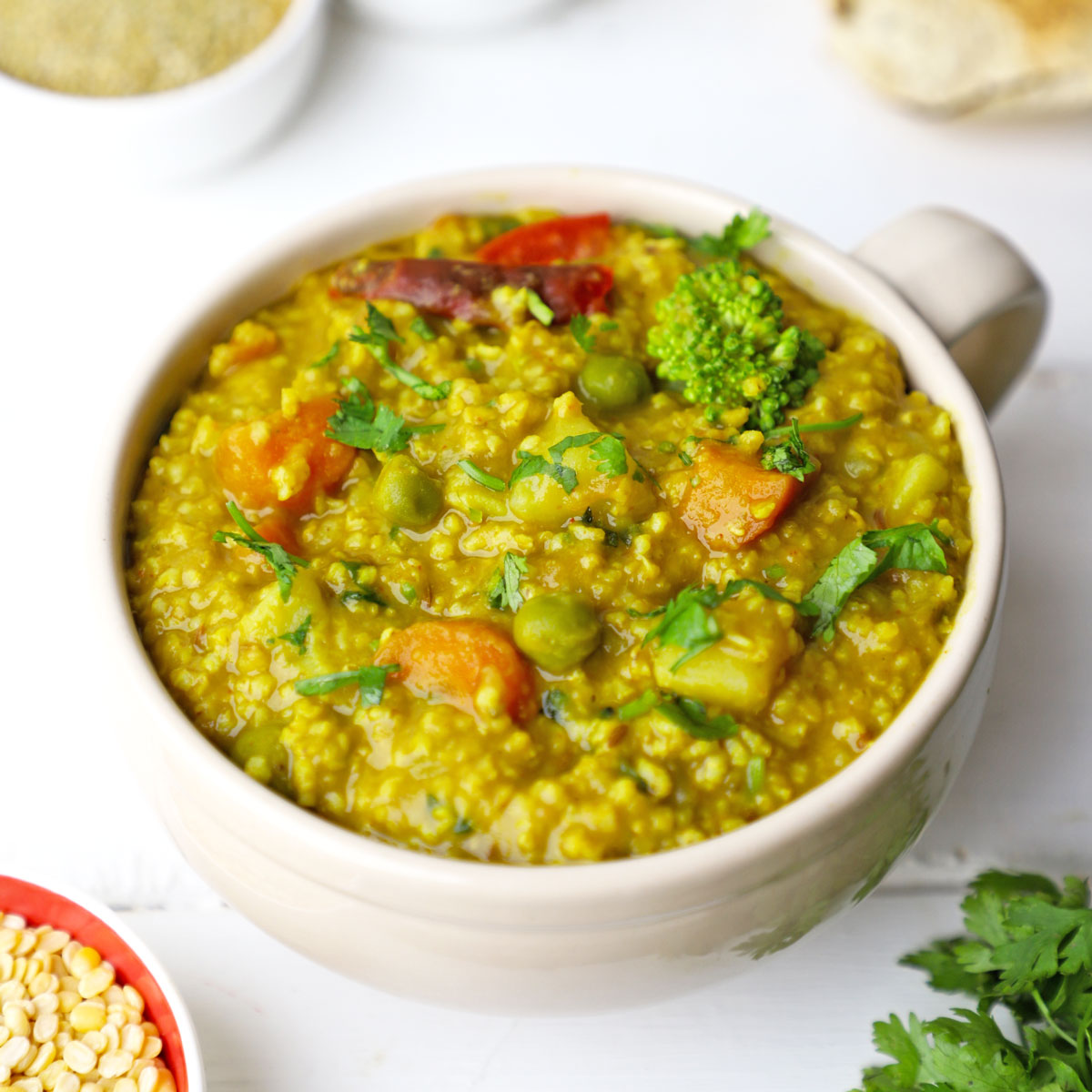
High-Protein Millet Khichdi with Paneer Tadka | Madhu Savara
The Origin and Significance of Khichdi
Khichdi is one of the oldest known Indian dishes, with its origins dating back to ancient Ayurvedic texts. Revered as a sattvic food, khichdi has been a staple in Indian households for centuries due to its simplicity, digestibility, and nutritional balance. Traditionally made with rice and lentils, it is considered a complete meal and is often the first solid food given to infants.
In Indian culture, khichdi symbolizes comfort, care, and healing. It is prepared during times of illness, fasting, and festivals, and even offered as prasad in temples. Each region in India has its own version—ranging from Bengal’s Bhuna Khichuri to Gujarat’s Vaghareli Khichdi. With the growing focus on health and sustainability, modern adaptations now incorporate ancient grains like millets, boosting its nutritional profile further.
This High-Protein Millet Khichdi with Paneer Tadka is one such adaptation—where age-old culinary wisdom meets contemporary dietary needs. Packed with protein, fiber, and wholesome flavors, it stands as a tribute to India’s culinary heritage and its ability to evolve with time
Servings
Servings: 2–3, Pair this high-protein millet khichdi with homemade mango pickle, roasted papad, and fresh curd to create a wholesome and balanced Indian meal.
Preparation Time:
15 minutes
Cooking Time:
20 minutes
Calories
380
Ingredients
(Standardized Measurements)
-
1/2 cup foxtail millet
-
1/4 cup yellow moong dal (split)
-
1 small carrot, diced
-
1/4 cup green peas
-
1/2 tsp turmeric powder
-
1 tsp cumin seeds
-
1 tsp grated ginger
-
1 tbsp ghee
-
Salt to taste
-
2 cups water
For Paneer Tadka:
-
100g paneer, cubed
-
1 tbsp ghee or cold-pressed mustard oil
-
1/2 tsp cumin seeds
-
2 garlic cloves, sliced
-
1 dried red chilli
-
1/4 tsp red chilli powder
Equipment Needed
-
Heavy-bottomed pot or pressure cooker
-
Frying pan
-
Wooden spatula
-
Knife and chopping board
-
Measuring cups and spoons
Nutrition Information
(Per Serving)
-
Calories: 380 kcal
-
Protein: 21g
-
Carbohydrates: 42g
-
Fat: 16g
Step by Step Instructions
-
Prepare Millets: Rinse the foxtail millet and yellow moong dal thoroughly under running water. Soak together for 20 minutes, then drain well.
-
Cook Khichdi: Heat 1 tbsp ghee in a pressure cooker or heavy-bottomed pot. Add cumin seeds and grated ginger; sauté until fragrant. Add diced carrots and green peas, cooking for 3 minutes. Stir in turmeric powder, soaked millet and dal, salt, and 2 cups water. Pressure cook for 2 whistles or simmer covered on low heat until soft and cooked through.
-
Prepare Paneer Tadka: Heat 1 tbsp ghee or mustard oil in a pan. Add cumin seeds, sliced garlic, and dried red chilli. When aromatic, add paneer cubes. Sauté until golden and slightly crisp. Sprinkle red chilli powder, stir gently, and turn off the flame.
-
Assemble and Serve: Pour the hot paneer tadka over the cooked millet khichdi. Garnish with fresh coriander leaves.
-
Enjoy: Serve immediately with a side of homemade pickle or fresh curd for a balanced, satisfying meal.
Tips and Variations
-
Add fresh spinach or methi leaves while cooking the khichdi for added nutrition.
-
For a vegan option, replace paneer with firm tofu and use oil instead of ghee.
-
A squeeze of fresh lemon juice before serving adds a refreshing zing.
-
Swap moong dal with masoor dal for a slight change in flavor and texture.
Allergen Information
-
Dairy (paneer, ghee)
-
Legumes (moong dal)
-
Mild spice (chilli)
Other Essentials
Storage Instructions
Store leftover khichdi in an airtight container in the refrigerator for up to 2 days. Reheat on the stove with a splash of water to maintain moisture.
Call to Action
Try this delicious High-Protein Millet Khichdi with Paneer Tadka today! Share your experience and variations in the comments below. Don’t forget to share this healthy recipe with your friends and family.
A Note of Gratitude
I am deeply thankful to the many renowned chefs whose dedication to culinary excellence has ignited my own passion for food. Their artistry and commitment have not only enriched my understanding of ingredients and techniques but also inspired me to create and share my own recipes through this blog. This journey is a tribute to the timeless influence of those who cook with purpose, tradition, and heart.
Disclaimer
Important Notice: Read Before Proceeding
The recipes, preparation methods, nutritional details, and related content published on Madhu Savara’s website, social media, and associated platforms are intended solely for general informational and educational purposes. While every effort has been made to ensure accuracy and reliability, we make no guarantees regarding the results, safety, or accuracy of any recipe presented here.
We are not licensed nutritionists, dieticians, or medical professionals. The nutritional values provided are estimates only, calculated using third-party tools, and should not be used for medical diagnosis, dietary treatment, or allergy management. If you have any medical conditions, dietary restrictions, or food allergies, please consult your doctor or certified dietitian before attempting any recipe.
Cooking inherently involves sharp tools, high heat, and the risk of injury or fire. You assume full responsibility for your kitchen practices. Madhu Savara, the website, and all contributors shall not be held liable for any damage, injury, loss, or adverse outcome resulting directly or indirectly from the preparation, consumption, or interpretation of any content herein.
By using this website and attempting any recipe, you agree to hold harmless and indemnify Madhu Savara and her team from any liability, legal claim, or damages arising from the use of this content. You are encouraged to exercise independent judgment and take full responsibility for your health, kitchen safety, and actions.
