A Soulful North Indian Comfort Food
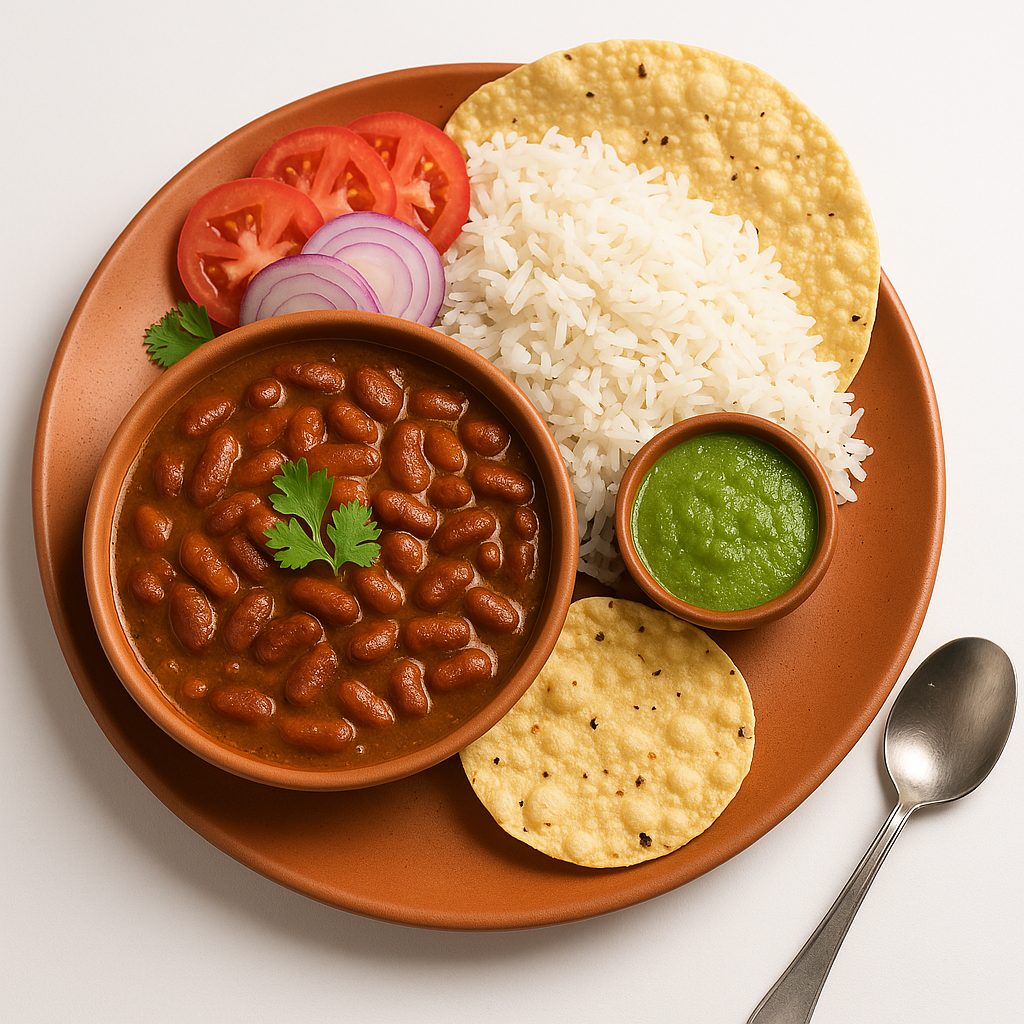
Close-up of authentic Punjabi rajma chawal recipe served on a traditional terracotta plate: rich, slow-cooked red kidney beans in spicy masala gravy, fluffy steamed basmati rice, sliced onions, tomatoes, fresh coriander garnish, green chutney, and papad. Classic north Indian comfort food.

This authentic Punjabi Rajma Masala delivers a thick, velvety curry through slow simmering, releasing natural starches for creaminess. Paired with rice, it’s spicy, tangy, and soul-satisfying. The Kashmiri variation adds elegance with fennel, dry ginger, and yogurt for a lighter, fragrant twist.

Servings

Serves 4. Garnish with fresh coriander, onion rings, lemon wedges. Accompany with raita, papad, or pickle.

Preparation Time:

45–60 minutes (including slow simmer)

Cooking Time:

15 minutes (plus overnight soaking)

Calories

450

Ingredients

(Punjabi Style)

For Rajma Masala:

  • 200g dried red kidney beans (rajma), soaked overnight
  • 2 medium onions, finely chopped
  • 3 medium tomatoes, pureed
  • 2 green chillies, slit
  • 1 tbsp ginger-garlic paste
  • 1 tsp cumin seeds
  • 1 tsp coriander powder
  • ½ tsp turmeric
  • 1 tsp red chilli powder
  • 1 tsp garam masala
  • Salt to taste
  • 2 tbsp oil/ghee
  • Fresh coriander for garnish
  • Whole spices: 1 bay leaf, 2–3 cloves, 1-inch cinnamon

For Chawal:

  • 200g basmati rice
  • 400ml water
  • Salt

Equipment Needed

Pressure cooker/heavy pot, kadai, blender, wooden spoon, strainer, measuring tools.

Nutrition Information

Per serving (1 cup rajma + 1 cup rice):

  • Calories: ~450 kcal
  • Macros: Carbs 75g, Protein 18g, Fat 8g
  • Micronutrients: Iron (4mg), Folate (200mcg), Potassium (800mg), Fibre (12g), plus magnesium and vitamin C.

Step by Step Instructions

Step-by-Step Instructions (Punjabi Style)

  1. Soak rajma overnight, rinse.
  2. Pressure cook with water, salt, whole spices (4–5 whistles).
  3. Heat oil, splutter cumin, sauté onions golden.
  4. Add ginger-garlic paste, chillies; cook 2 mins.
  5. Add dry spices, tomato puree; cook till oil separates (10 mins).
  6. Add cooked rajma + water; boil.
  7. Slow cook on low 20–30 mins for creaminess—mash some beans.
  8. Finish with garam masala, garnish.
  9. Cook rice separately.
  10. Serve hot.

Kashmiri-Inspired Variation

For a lighter, aromatic twist (Jammu/Kashmiri style):

  • Boiling: Add 1 tsp fennel powder (saunf), ½–1 tsp dry ginger powder (saunth), 2 black cardamoms, pinch hing, bay leaf. Use mustard oil/ghee.
  • Masala: Use less onion (optional), add ½ cup whisked yogurt (mixed with ½ tsp maida) instead of half the tomatoes. Spices: Kashmiri chilli powder, fennel powder, dry ginger, minimal garam masala. Optional: 1 tsp anardana powder for tang.
  • Slow Cook: Simmer 25–35 mins—yogurt + fennel create silky texture.
  • Finish: Tadka of ghee + cumin + hing.

Result: Subtly sweet, fragrant, elegant—perfect fusion!

Tips and Variations

  • Slow cook longer for ultimate creaminess.
  • Add potatoes for Rajma Aloo.
  • Use fresh spices; toast lightly.
  • For extra depth: Pinch asafoetida in both styles.

Allergen Information

Gluten-free, vegan (use oil). Beans may cause bloating; yogurt in variation adds dairy.

Other Essentials

Fresh beans, filtered water for soaking.

Things to Avoid

Don’t skip soaking. Avoid early acidic additions (hardens beans). Don’t overcook initially.

Storage Instructions

Refrigerate leftovers 3 days; freeze 1 month. Reheat with water.

Conclusion

Rajma Chawal is more than food—it’s memories simmering in a pot. From bold Punjabi heart to the gentle Kashmiri whisper, this dish celebrates India’s diversity and the magic of slow cooking. It reminds us that the best meals come from patience, simple ingredients, and love shared around the table.

Now, it’s your turn—what is your secret ingredient for rajma? Drop it in the comments below and let’s keep the stories (and aromas) going strong!

Disclaimer

Important Notice: Read Before Proceeding

The recipes, preparation methods, nutritional details, and related content published on Madhu Savara’s website, social media, and associated platforms are intended solely for general informational and educational purposes. While every effort has been made to ensure accuracy and reliability, we make no guarantees regarding the results, safety, or accuracy of any recipe presented here.

We are not licensed nutritionists, dieticians, or medical professionals. The nutritional values provided are estimates only, calculated using third-party tools, and should not be used for medical diagnosis, dietary treatment, or allergy management. If you have any medical conditions, dietary restrictions, or food allergies, please consult your doctor or certified dietitian before attempting any recipe.

Cooking inherently involves sharp tools, high heat, and the risk of injury or fire. You assume full responsibility for your kitchen practices. Madhu Savara, the website, and all contributors shall not be held liable for any damage, injury, loss, or adverse outcome resulting directly or indirectly from the preparation, consumption, or interpretation of any content herein.

By using this website and attempting any recipe, you agree to hold harmless and indemnify Madhu Savara and her team from any liability, legal claim, or damages arising from the use of this content. You are encouraged to exercise independent judgment and take full responsibility for your health, kitchen safety, and actions.


Rajma chawal recipe is a timeless favourite in North Indian kitchens—this hearty, soul-soothing dish of spiced red kidney beans (rajma) served with fluffy basmati rice never fails to comfort. In this authentic Punjabi rajma masala guide, we focus on slow cooking for natural creaminess without cream, while adding a beautiful Kashmiri rajma variation for aromatic elegance. Perfect for family meals, this north Indian comfort food celebrates regional diversity from Himachal to Kashmir.

Preface

As a professional chef passionate about Indian cuisine, I believe the rajma chawal recipe is more than food—it’s a warm embrace in every spoonful. This version draws from classic Punjabi roots with bold spices, yet offers a lighter Kashmiri rajma variation using fennel and yogurt. Slow-simmered for that velvety texture without any cream, it’s healthier, authentic, and utterly delicious.

Table of Contents

  • Introduction to Rajma Chawal
  • Local Varieties of Rajma
  • Significance and Origin
  • Recipe Description
  • Serving Suggestions
  • Preparation and Cooking Time
  • Nutritional Information
  • Standard Ingredients (Punjabi Style)
  • Utensils Required
  • Step-by-Step Instructions (Punjabi Style)
  • Kashmiri-Inspired Variation
  • Tips and Variations
  • Allergen Information
  • Other Essentials
  • Things to Avoid
  • Storage Instructions
  • Conclusion

Introduction to Rajma Chawal

Searching for the perfect rajma chawal recipe? This North Indian staple combines tender red kidney beans in a rich, spiced gravy with steamed basmati rice. It’s bold, tangy, and deeply satisfying—true north Indian comfort food at its best.

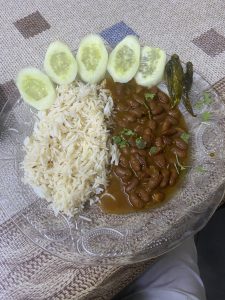
Here are some authentic visuals to inspire your cooking:

Here are some mouthwatering images of traditional Punjabi Rajma Chawal:

(Images would be rendered here in a live blog—visuals of steaming hot rajma over rice, garnished with onions and coriander.)

Local Varieties of Rajma

India’s Himalayan regions offer unique rajma varieties that elevate any rajma chawal recipe:

  • Himachali Rajma: Small, nutty, quick-cooking.
  • Uttarakhandi Rajma: Larger, creamy texture.
  • Kashmiri Rajma: Deep crimson, sweet—perfect for the Kashmiri rajma variation.

Significance and Origin

The rajma chawal recipe originated in Punjab and Himalayan foothills, symbolizing nourishment and family bonds. Punjabi style is robust; Kashmiri rajma variation adds fragrant subtlety.