
Author’s Note
Some wild greens are remembered not for their appearance but for their distinctive flavour. Dock is one of them.
The name Dock refers to a large group of plants in the genus Rumex, many of which have edible leaves. Their natural sourness sets them apart from familiar leafy vegetables and has made them useful in different food traditions.
In the Himalayan region, certain Rumex species are gathered as wild greens and cooked as vegetables. This article looks at dock from that culinary perspective, with particular attention to its leaves, flavour and traditional use as a wild vegetable.
Table of Contents
- Author’s Note
- Dock: The Plant Behind the Name
- Dock as Food
- Dock Leaves and Their Sour Flavour
- Dock in Himalayan Food Traditions
- Cooking and Preparing Dock
- What Dock Tastes Like
- Gathering and Identifying Dock
- Things to Keep in Mind
- FAQs
- Final Thoughts
- Author’s Bio
Dock: The Plant Behind the Name
Rumex is a large genus in the buckwheat family, Polygonaceae, containing around 200 species. Depending on the species, plants may be annual, biennial or perennial and can be found across many parts of the world.
The common name Dock covers several Rumex species, while some related plants are also known as sorrels. This can make the name confusing because Rumex spp. does not refer to one particular edible plant.
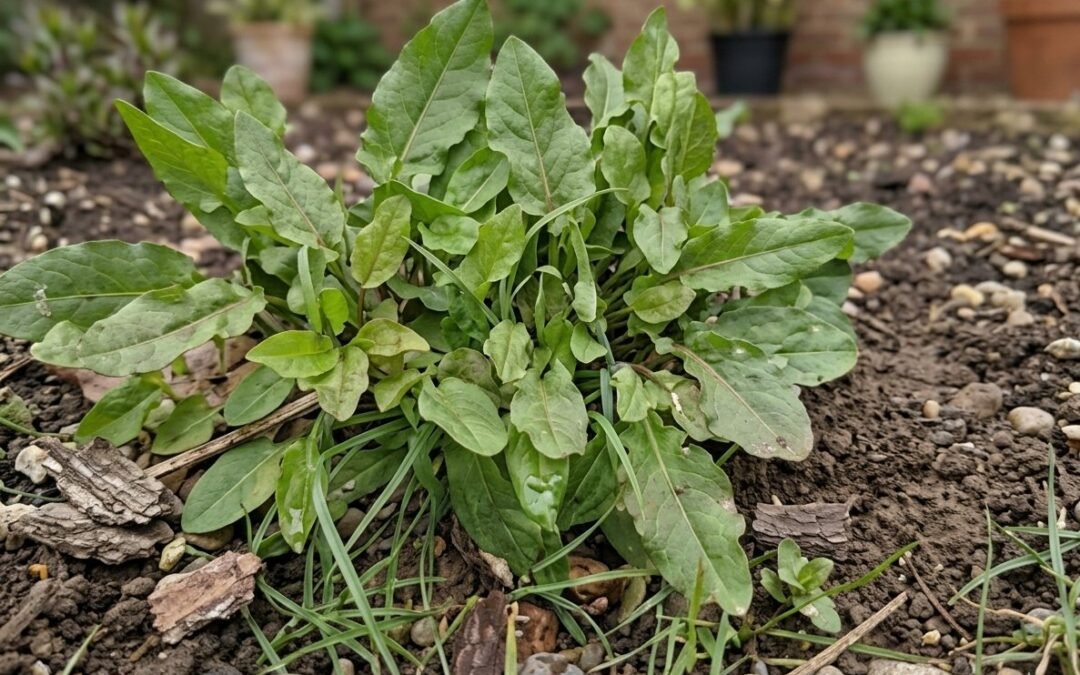
The leaves are usually simple and often form a basal rosette. Their sour taste is one of the easiest culinary characteristics to recognise, although the intensity varies between species. Research on Rumex plants links this sour flavour partly to naturally occurring oxalic acid.
For a food article, therefore, it is more accurate to think of dock as a group of sour-leaved wild greens rather than as one standard vegetable.
Dock as Food
The edible use of dock centres mainly on its leaves.
Different Rumex species have been eaten fresh or cooked as vegetables in various regions. Some are used in soups, while others are boiled and then cooked with seasoning.
The young leaves are generally preferred for cooking because they are more tender. Depending on the species and local practice, the leaves may be boiled, steamed or fried with spices.
In some food traditions, the natural sourness is an advantage rather than something to remove. It can provide a sharp note to a simple vegetable preparation and can be used much like other naturally sour leafy ingredients.
Dock Leaves and Their Sour Flavour
Dock leaves are distinctive because of their tart, sour character.
The flavour can be quite pronounced, particularly in some species, so dock does not behave exactly like spinach, amaranth or other mild greens. Tender leaves can be cooked on their own or combined with other ingredients to balance their acidity.
Some Rumex species are also known as sorrel, a name associated with their sour flavour. The leaves and petioles of several species can be eaten raw or cooked, although cooking is an important traditional preparation for many wild forms.
The result is a leafy vegetable with a flavour that can be noticeably sharper than ordinary greens.
Dock in Himalayan Food Traditions
The connection between Rumex and Himalayan wild-food traditions is particularly interesting.
Rumex nepalensis, commonly known as Nepal dock, is documented as a wild leafy vegetable in Himalayan communities. A study of the Nanda Devi Biosphere Reserve records the plant locally as Payoom and notes that its young leaves are boiled or fried in oil with spices.
Research on traditional food plants in the Western Himalayas also lists Rumex nepalensis among the wild plants consumed as vegetables.
In parts of the Chamba region, Rumex acetosa has also been recorded under the local name Podoi, with its leaves collected and eaten as a vegetable.
These examples show why a single English name such as Dock does not tell the whole story. Local communities may use different Rumex species, names and cooking methods depending on their region.
Cooking and Preparing Dock
The simplest traditional approach is to cook the tender leaves.
Young leaves can be washed thoroughly, boiled and then seasoned or fried with spices. In some preparations, boiling helps soften the leaves and reduce some of their sharpness before the final cooking.
Other Rumex species are used in soups, omelettes and other savoury preparations.
Because the flavour is naturally sour, dock does not always require a complicated preparation. A basic combination of oil, spices and other vegetables can be enough to turn the leaves into a simple wild-green dish.
The exact method, however, should follow the particular species being used rather than assuming that every Rumex plant can be prepared in exactly the same way.
What Dock Tastes Like
The most noticeable characteristic of dock is its sour, tangy flavour.
Young leaves can have a fresher and milder sharpness, while some mature leaves may be tougher and more strongly flavoured. Species also differ, so there is no single flavour profile for every plant called Dock.
Compared with mild greens, the natural acidity makes dock more distinctive. It can add a sharp note to cooked vegetable dishes without relying entirely on spices for flavour.
This is what makes it interesting as a traditional wild green: it contributes both texture and its own natural sourness.
Gathering and Identifying Dock
Correct identification is especially important with wild plants because Rumex is a large and varied genus.
Do not assume that every plant locally called dock is interchangeable with every other Rumex species. If gathering from the wild, identify the particular plant correctly and learn whether it has an established food use in your region.
Choose plants from clean areas away from roadsides, polluted locations and places that may have been treated with pesticides or other chemicals.
Wash leaves thoroughly before cooking. Tender young leaves are generally the preferred part for vegetable preparations.
Things to Keep in Mind
Dock should be treated as a wild food that requires proper identification and sensible preparation.
- Rumex spp. includes many different species, so identification matters.
- Use only a species known locally to be edible.
- Prefer tender young leaves for cooking.
- Wash wild-collected leaves thoroughly.
- Avoid plants from roadsides or chemically treated areas.
- Do not consume large quantities simply because a plant is edible.
- Some Rumex leaves contain significant amounts of oxalates, so traditional food use does not mean unlimited consumption is appropriate.
This article discusses dock as a traditional food plant and not as a medicinal remedy.
FAQs
What is Dock?
Dock is a common name used for several plants belonging to the genus Rumex in the Polygonaceae family. Some species have edible leaves that are used as wild vegetables.
Are dock leaves edible?
Some Rumex species have edible leaves and have traditionally been eaten raw or cooked. However, because the genus contains many species, correct identification is important.
Why are dock leaves sour?
The characteristic sour taste of many Rumex species is associated with naturally occurring organic acids, including oxalic acid.
Is Rumex nepalensis eaten in the Himalayas?
Yes. Rumex nepalensis has been documented as a wild leafy vegetable in Himalayan food traditions. In the Nanda Devi region, its young leaves are boiled or fried with spices.
What is the local name of Rumex nepalensis?
One documented Himalayan name is Payoom. Local names can vary between regions and communities.
Can dock be used in soup?
Yes. Some edible Rumex species are used to flavour soups and other savoury dishes.
Is Dock the same as sorrel?
Not exactly. Dock and sorrel are common names used for different Rumex plants, and some species are commonly called both dock and sorrel. The names therefore overlap rather than identifying one single plant.
Final Thoughts
Dock may not be as familiar as spinach, mustard greens or other cultivated vegetables, but its sour leaves have a genuine place in traditional food cultures.
The wider genus Rumex includes many species, and Himalayan examples such as Rumex nepalensis show how wild plants once gathered from fields, forest edges and other natural habitats could become part of everyday cooking.
Its most distinctive quality is its natural tang. Cooked with simple spices, tender dock leaves can become a completely different kind of leafy vegetable — one that connects the kitchen with the rich tradition of Himalayan wild greens.
Author’s Bio
Madhu Savara is the author and owner of madhusavara.com, where she writes about Indian food, regional ingredients, traditional recipes, lesser-known food traditions and practical kitchen knowledge. Her work focuses on documenting and presenting familiar and forgotten food traditions in a clear and accessible way.