
Author’s Note
Kangni millet, commonly known as foxtail millet, is one of the traditional Indian millets cultivated in different parts of the country, particularly under rainfed and dryland conditions. At Madhusavara.com, we aim to present practical and carefully written information based on agricultural literature, documented food traditions and commonly accepted cultivation practices. This article explores Kangni millet (Setaria italica), its history, regional names such as Thinai, Navane and Korralu, nutritional composition, cultivation, traditional and modern recipes, storage practices and relevance to sustainable farming in India. The article is intended for general information and does not make medical or therapeutic claims.
Kangni Millet: Ancient Foxtail Millet of India
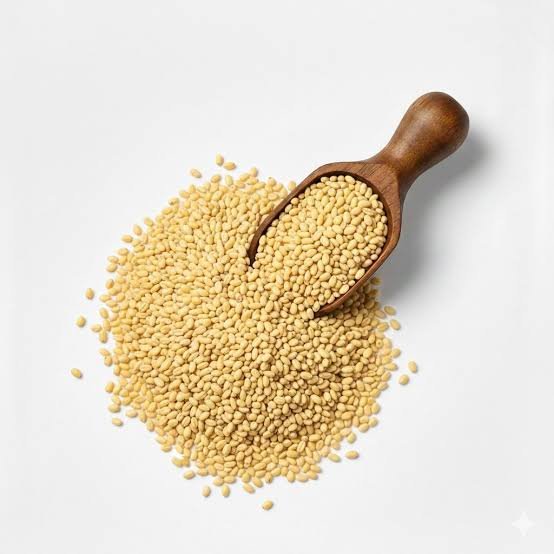
Kangni millet, also known as foxtail millet, is a small-seeded cereal belonging to the species Setaria italica. It forms part of the wider group of traditional Indian millets that have been cultivated under diverse farming conditions for generations.
Across India, foxtail millet is known by several regional names. It is commonly called Thinai or Thinai Arisi in Tamil, Navane in Kannada, Korralu in Telugu, and by other local names in different regions. These names reflect the grain’s long association with regional agriculture and food traditions.
Kangni is particularly relevant to dryland agriculture because it has a relatively short crop duration and can be cultivated under conditions where water availability may be limited. These characteristics have also brought renewed attention to foxtail millet while discussing drought-tolerant millet, crop diversification and climate-resilient crops.
History of Kangni and Foxtail Millet
Foxtail millet has a long history of domestication and cultivation in Asia. Archaeobotanical research has identified Setaria italica at ancient agricultural sites, particularly in China, while evidence from the Indian subcontinent shows that millets formed part of early agricultural systems in several regions.
In India, different millet species became suited to local rainfall patterns, soils and food habits. Foxtail millet was among the grains incorporated into dryland farming systems where dependable irrigation was not always available.
The name Thinai also has a longstanding association with Tamil food and cultural traditions. References to millets in historical and literary sources demonstrate their place in older food systems, although specific historical claims need to be understood according to the archaeological or literary context in which they occur.
Over time, rice and wheat became dominant cereals in many parts of India. However, small millets in India, including foxtail millet, continued to be cultivated and consumed in several regional and rural food systems.
Foxtail Millet Cultivation in India
Growing Conditions for Kangni Millet
Foxtail millet cultivation is generally suited to warm conditions and well-drained soils. The crop is commonly grown under rainfed conditions and can fit into areas where the growing season is comparatively short.
Depending on the region, variety, rainfall and local agricultural practices, sowing may coincide with the monsoon. Cultivation practices should therefore not be treated as uniform throughout India.
Agricultural recommendations regarding seed rate, spacing, fertiliser application, irrigation and sowing time can differ between states and varieties. Farmers should follow recommendations issued by the relevant agricultural university, Krishi Vigyan Kendra or State Agriculture Department for their particular area.
Kangni as a Drought Tolerant Millet
Kangni is frequently described as a drought-tolerant millet because of its suitability for comparatively low-water and rainfed agricultural systems. This does not mean that the crop can produce normally without adequate moisture at important stages of growth.
Its relatively short crop cycle and adaptability nevertheless make it useful in certain dryland farming systems.
Foxtail millet may also be grown as part of diversified cropping systems. Depending upon local conditions, farmers may combine millets with pulses or other suitable crops rather than depending entirely upon a single cereal.
Foxtail Millet Nutrition
The nutritional composition of Kangni millet varies according to the variety, growing conditions, processing method and whether the grain is analysed whole or after dehulling.
In general, foxtail millet nutrition includes carbohydrates, protein, dietary fibre, fat and minerals in varying quantities. Published food-composition databases and research studies also report minerals and B-group vitamins in the grain.
Rather than assigning one fixed nutritional figure to every type of Kangni, it is more accurate to refer to the values provided for the particular grain or food-composition database being used.
Is Kangni a Gluten-Free Millet?
Foxtail millet is naturally a gluten-free millet. However, consumers who need to avoid gluten for a diagnosed medical reason should also consider processing and packaging conditions, as cross-contact can occur when grains are handled or processed alongside gluten-containing cereals.
The nutritional value of a prepared Kangni dish will also depend upon the ingredients added to it and the cooking method used.
Kangni Millet Benefits in Everyday Food
The term Kangni millet benefits is widely searched, but it is important to distinguish nutritional characteristics from medical claims.
Kangni can provide variety in a cereal-based diet and can be used in place of, or alongside, commonly consumed grains in suitable recipes. It contains macronutrients, dietary fibre and naturally occurring micronutrients, with the actual amounts varying according to the grain and processing method.
Its practical value also lies in its versatility. The grain can be prepared in savoury dishes, traditional recipes, fermented foods and flour-based preparations.
Kangni should therefore be viewed as a traditional food grain with a useful nutritional profile rather than as a treatment or cure for any medical condition.
Regional Names: Thinai, Navane and Korralu
The regional identity of foxtail millet is one of the most interesting aspects of this traditional grain.
Thinai and Thinai Arisi
In Tamil Nadu, foxtail millet is widely known as Thinai. The term Thinai Arisi is commonly used in the context of the edible grain. Thinai is used in both traditional preparations and contemporary millet-based dishes.
Navane
In Karnataka, foxtail millet is known as Navane. It has been associated with rainfed farming and is used in grain-based preparations that can be served in a manner similar to rice.
Korralu
In Telugu-speaking regions, foxtail millet is commonly called Korralu. It is used in traditional as well as newer millet recipes.
These regional names—Thinai, Navane and Korralu—refer to the same millet species in broad culinary usage, although local varieties, processing practices and recipes can differ considerably.
Kangni Millet Recipes
The mild flavour and small grain size of foxtail millet allow it to be adapted to many Indian dishes. Kangni millet recipes can range from simple everyday meals to newer millet-based preparations.
Traditional Kangni Millet Recipes
Kangni can be cooked and served with dal, sambar, vegetables or other accompaniments. Depending upon regional cooking traditions, foxtail millet may also be used for preparations such as pongal, upma, khichdi and millet-based rice dishes.
Thinai-based preparations are found in Tamil cooking, while Navane and Korralu are used in regional dishes in Karnataka and Telugu-speaking areas, respectively.
The grain may also be ground into flour or incorporated into batter, depending upon the recipe.
Modern Millet Recipes
Growing interest in millets has encouraged the development of modern millet recipes. Foxtail millet can now be found in pulao-style dishes, breakfast preparations, salads, flour blends and ready-to-cook products.
Commercial food manufacturers also use millet in selected packaged foods. The nutritional composition of such products, however, depends upon the complete ingredient list and processing method and should not be assumed to be identical to whole Kangni grain.
Millet Storage and Preservation
Correct millet storage is important for maintaining the quality of Kangni after harvest or purchase.
Traditionally, grains are dried properly before storage and protected from moisture, insects and contamination. At household level, cleaned foxtail millet should be kept in a clean, dry and properly closed food-grade container.
Practical Storage of Foxtail Millet
Whole grain generally stores better when kept away from moisture, excessive heat and direct sunlight. Millet flour may require greater care because grinding exposes more of the grain to air and environmental conditions.
Storage life cannot be stated as one fixed period because it depends upon moisture, temperature, packaging, processing and local conditions. Packaged Kangni millet should therefore be stored according to the manufacturer’s instructions and used within the stated period.
Setaria italica and Scientific Research
The botanical name of foxtail millet is Setaria italica. The crop has attracted scientific interest in areas such as plant genetics, crop improvement, nutritional composition, processing and adaptation to environmental stress.
Research has also examined the effects of processing techniques such as soaking, germination, fermentation, roasting and other forms of preparation on the grain’s composition and cooking characteristics.
From an agricultural perspective, Setaria italica is also studied because millets can contribute to discussions on crop diversity and farming under variable rainfall conditions.
Scientific findings should, however, be interpreted within the scope of individual studies. Results obtained under laboratory or experimental conditions should not automatically be converted into broad nutritional, medical or agricultural claims.
Kangni Millet and Climate-Resilient Agriculture
Interest in climate-resilient crops has increased as Indian agriculture faces challenges relating to rainfall variability, water availability and changing growing conditions.
Foxtail millet can have a place in this discussion because it is cultivated in rainfed environments, has a relatively short growing duration and is associated with lower-water farming systems compared with some water-intensive crops.
Role in Sustainable Farming in India
The value of Kangni in sustainable farming in India is best understood as part of a wider approach to crop diversification.
No single crop can by itself make agriculture sustainable. Soil conditions, rainfall, seed selection, crop rotation, nutrient management, local biodiversity, market access and farm economics all influence agricultural sustainability.
However, the inclusion of traditional millets can provide farmers with additional cropping choices, particularly in regions suited to millet cultivation.
Renewed attention to traditional Indian millets also encourages the documentation of local varieties and food knowledge that may otherwise decline as agricultural systems become increasingly concentrated around a small number of major cereals.
Why Kangni Millet Remains Relevant in India
Kangni millet connects several aspects of India’s agricultural and food heritage. Known variously as foxtail millet, Thinai, Thinai Arisi, Navane and Korralu, the grain continues to be recognised both as a traditional food and as a crop suited to certain rainfed farming systems.
Its nutritional composition, culinary versatility and adaptability to comparatively dry conditions explain why it continues to receive attention among farmers, researchers, food businesses and home cooks.
At the same time, its importance should be presented without exaggeration. Kangni is neither a miracle food nor a universal agricultural solution. It is one of several small millets in India that can contribute to dietary diversity, preservation of traditional food practices and crop diversification where local conditions are suitable.
Understanding Kangni millet benefits, foxtail millet nutrition, Kangni millet recipes, foxtail millet cultivation and millet storage therefore requires a balanced approach—one that respects traditional knowledge while relying upon verifiable agricultural and food information.
Disclaimer
The information in this article is provided for general educational and informational purposes only. It is based on publicly available agricultural literature, food-composition information, research publications and documented traditional practices.
Madhusavara.com and the author do not make any medical, therapeutic or disease-related claims concerning Kangni millet or foxtail millet. Nutritional composition may vary according to variety, cultivation conditions, processing, storage and cooking methods.
Agricultural practices and recommendations can differ according to location, soil, climate and crop variety. Farmers and commercial growers should consult the relevant State Agriculture Department, agricultural university, Krishi Vigyan Kendra or other qualified agricultural professional before making cultivation or commercial decisions.
Readers with specific dietary requirements, allergies or medical conditions should seek appropriate professional advice before making significant dietary changes. References to traditional uses are included for informational purposes and should not be interpreted as evidence of medical or therapeutic benefit.
