
AUTHOR’S NOTE
Monkey Jackfruit is one of India’s most fascinating yet overlooked indigenous fruits. For centuries, Monkey Jackfruit has nourished rural communities, supported wildlife, and contributed to traditional food cultures across South Asia. Despite its ecological importance and remarkable nutritional value, Monkey Jackfruit remains largely unknown to modern consumers.
This article documents the complete story of Monkey Jackfruit, from its origin and history to its nutrition, cultivation, traditional uses, ecological significance, and future potential. As India rediscovers its forgotten fruits, Monkey Jackfruit deserves a place among the country’s most valuable natural treasures.
— Madhu Savara
PREFACE: MONKEY JACKFRUIT AND THE DISAPPEARING MEMORY OF INDIA’S FOREST FOODS
Monkey Jackfruit once occupied a familiar place in village life across many parts of India. Long before supermarkets, imported fruits, and packaged foods became common, Monkey Jackfruit was part of the seasonal rhythm of rural communities.
Children eagerly waited for the fruits to ripen.
Women transformed the tangy pulp into chutneys and preserves.
Birds filled the branches during fruiting season.
Monkeys gathered beneath heavily laden trees.
For countless generations, Monkey Jackfruit existed not as a commercial crop but as a trusted companion of forests, farms, and villages.
Unlike mangoes, apples, or bananas, Monkey Jackfruit never benefited from large-scale marketing or organised cultivation. It survived because local people understood its value.
Today, however, many younger Indians have never seen a Monkey Jackfruit tree, let alone tasted its fruit.
As traditional knowledge fades and biodiversity faces increasing pressure, understanding forgotten fruits such as Monkey Jackfruit becomes more important than ever. The story of Monkey Jackfruit is not merely about a fruit. It is a story about ecology, culture, food heritage, and the wisdom of communities that lived in harmony with nature.
TABLE OF CONTENTS
- What is Monkey Jackfruit?
- Scientific Classification of Monkey Jackfruit
- Other Names of Monkey Jackfruit
- Why Is It Called Monkey Jackfruit?
- Origin and History of Monkey Jackfruit
- Distribution of Monkey Jackfruit in India
- Distribution Outside India
- Natural Habitat of Monkey Jackfruit
- Botanical Description of Monkey Jackfruit
- Tree Structure and Growth Habit
- Flowering and Fruiting Season
- Harvesting Practices
- Cultural Significance of Monkey Jackfruit
WHAT IS MONKEY JACKFRUIT?
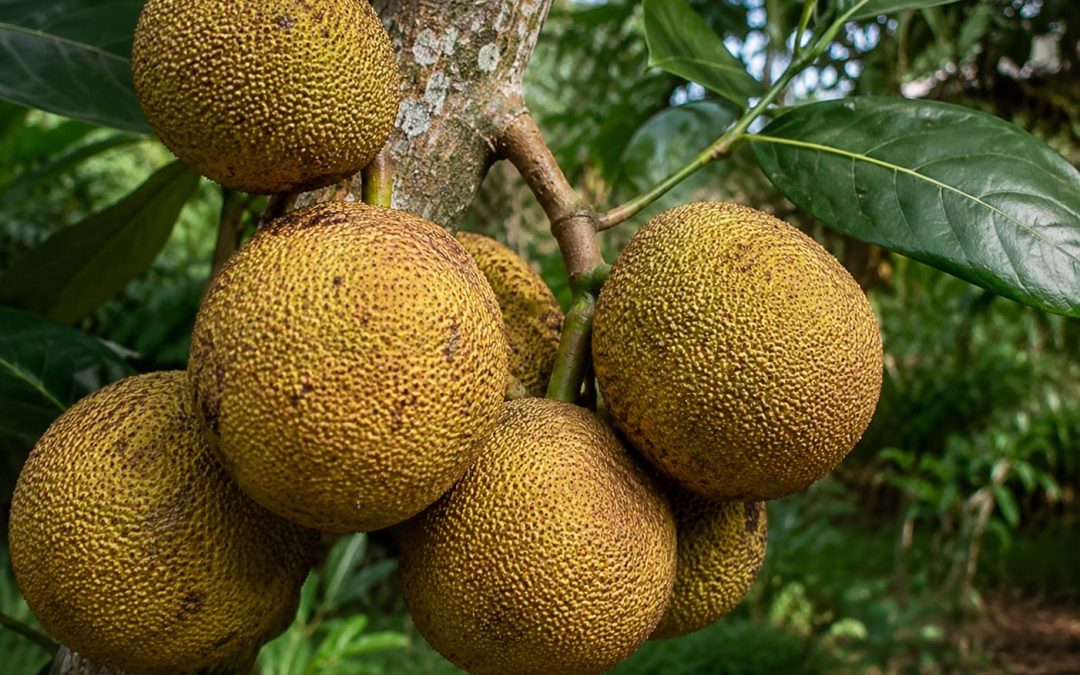
Monkey Jackfruit is a native fruit tree scientifically known as Artocarpus lacucha, belonging to the Moraceae family, the same family that includes jackfruit, breadfruit, mulberry, and fig.
Although many people assume that Monkey Jackfruit is simply a wild form of jackfruit, the two are distinct species with different characteristics, flavours, and uses.
Monkey Jackfruit produces round to irregular fruits with a unique, tangy flavour that combines sweetness and acidity. For generations, rural communities have valued Monkey Jackfruit as a seasonal food source, while wildlife species depend upon the fruit as an important part of their diet.
Today, researchers, conservationists, and food enthusiasts increasingly recognise Monkey Jackfruit as one of India’s most promising underutilised fruit species.
SCIENTIFIC CLASSIFICATION OF MONKEY JACKFRUIT
| Category | Classification |
| Kingdom | Plantae |
| Division | Angiosperms |
| Class | Eudicots |
| Order | Rosales |
| Family | Moraceae |
| Genus | Artocarpus |
| Species | Artocarpus lacucha |
The scientific name Artocarpus lacucha reflects the tree’s place within a group of tropical fruit-bearing species that have supported human societies for centuries.
OTHER NAMES OF MONKEY JACKFRUIT
One reason Monkey Jackfruit often escapes public attention is the wide variety of local names used across different regions.
Some of the most common names include:
- Lakoocha
- Lakucha
- Lakuch
- Monkey Fruit
- Monkey Jack
- Jungle Jackfruit
- Wild Jackfruit
- Dheu
- Barhal
- Badahar
Because communities use different names, many people do not realise they are referring to the same fruit tree.
WHY IS IT CALLED MONKEY JACKFRUIT?
The name Monkey Jackfruit has a simple and fascinating origin.
The first part of the name comes from the behaviour of monkeys, which are particularly attracted to ripe fruits. During the fruiting season, monkeys often feed enthusiastically on the fruits and may travel considerable distances to reach fruiting trees.
The second part of the name comes from the tree’s botanical relationship with jackfruit. Although Monkey Jackfruit and common jackfruit are different species, they belong to the same genus and share certain structural similarities.
Together, these characteristics gave rise to the popular name Monkey Jackfruit.
ORIGIN AND HISTORY OF MONKEY JACKFRUIT
Monkey Jackfruit is believed to be native to the tropical and subtropical regions of South and Southeast Asia.
Unlike many modern fruit crops that were developed through intensive cultivation, Monkey Jackfruit evolved as part of natural forest ecosystems.
For centuries, indigenous communities, forest dwellers, and rural households harvested Monkey Jackfruit directly from the wild. The species became woven into local food traditions long before organised horticulture emerged.
Historical records and traditional knowledge indicate that Monkey Jackfruit has been consumed across large parts of the Indian subcontinent for generations.
Yet despite this long history, Monkey Jackfruit never achieved the commercial prominence of mango, banana, guava, or citrus fruits.
As a result, the species remained deeply connected to forests and local communities rather than large agricultural markets.
DISTRIBUTION OF MONKEY JACKFRUIT IN INDIA
Monkey Jackfruit has a much wider distribution than many people realise.
The species occurs naturally across numerous regions of India, including:
- Punjab foothills
- Shivalik Hills
- Himachal Pradesh
- Uttarakhand
- Uttar Pradesh
- Bihar
- Jharkhand
- West Bengal
- Odisha
- Assam
- Meghalaya
- Arunachal Pradesh
- Tripura
- Chhattisgarh
- Madhya Pradesh
- Parts of the Western Ghats
Its broad distribution demonstrates the adaptability of Monkey Jackfruit to diverse environmental conditions.
DISTRIBUTION OF MONKEY JACKFRUIT OUTSIDE INDIA
Monkey Jackfruit is not restricted to India.
The species is also found in:
- Nepal
- Bhutan
- Bangladesh
- Myanmar
- Thailand
- Laos
- Cambodia
- Vietnam
Across these countries, Monkey Jackfruit has historically served as a source of food, ecological stability, and traditional knowledge.
NATURAL HABITAT OF MONKEY JACKFRUIT
Monkey Jackfruit typically thrives in environments that provide adequate moisture and fertile soils.
Common habitats include:
- Moist deciduous forests
- Mixed forests
- River valleys
- Foothill ecosystems
- Forest margins
- Village commons
- Traditional agroforestry systems
The species often flourishes where natural ecological processes remain relatively intact.
BOTANICAL DESCRIPTION OF MONKEY JACKFRUIT
Monkey Jackfruit is a medium to large deciduous tree capable of reaching impressive dimensions.
Height
Mature Monkey Jackfruit trees commonly attain heights of 15–25 metres, although exceptional specimens may grow larger.
Trunk
The trunk is generally straight, sturdy, and capable of supporting a broad canopy.
Bark
The bark is greyish-brown and rough, becoming more textured with age.
Leaves
Monkey Jackfruit leaves are:
- Broad
- Dark green
- Simple
- Alternate
- Leathery in texture
These leaves help the tree withstand varying environmental conditions.
Flowers
Monkey Jackfruit produces separate male and female flower heads.
The flowers may not be particularly showy, but they play a crucial role in fruit production.
Fruits
The fruits are:
- Round to irregular in shape
- Rough-textured externally
- Yellowish-brown at maturity
- Filled with tangy edible pulp
The distinctive flavour of Monkey Jackfruit makes it highly valued in traditional recipes.
Seeds
Each fruit contains numerous seeds that contribute to natural regeneration and species survival.
TREE STRUCTURE AND GROWTH HABIT
Monkey Jackfruit develops a broad canopy that provides substantial shade and ecological benefits.
The species is known for:
- Strong root systems
- Long lifespan
- Environmental resilience
- Wildlife support functions
- Soil conservation benefits
These characteristics make Monkey Jackfruit an excellent candidate for agroforestry and landscape restoration initiatives.
FLOWERING AND FRUITING SEASON OF MONKEY JACKFRUIT
Understanding the seasonal cycle of Monkey Jackfruit is important for both conservation and cultivation.
Flowering Season
Monkey Jackfruit generally flowers between March and May, depending on the regional climate.
Fruit Development
Following successful pollination, fruits gradually develop throughout the warm season.
Fruiting Season
In most parts of India, Monkey Jackfruit fruits mature between June and September.
Local weather conditions may influence the exact timing.
HARVESTING PRACTICES
Traditional communities have developed practical methods for harvesting Monkey Jackfruit.
Common approaches include:
- Hand harvesting
- Bamboo harvesting poles
- Collection of naturally fallen ripe fruits
Experienced harvesters assess maturity based on colour, aroma, texture, and seasonal timing.
Careful harvesting helps preserve fruit quality and reduce wastage.
CULTURAL SIGNIFICANCE OF MONKEY JACKFRUIT
For generations, Monkey Jackfruit has occupied an important place in rural life.
The fruit has traditionally served as:
- A seasonal food source
- An ingredient in household recipes
- A supplementary source of income
- A wildlife-supporting species
- A symbol of local ecological knowledge
In many communities, the arrival of Monkey Jackfruit season signalled abundance, gathering, and the sharing of traditional foods.
While modern agriculture transformed many aspects of rural life, Monkey Jackfruit continues to represent a living connection between people, forests, and traditional food heritage.
MONKEY JACKFRUIT NUTRITION: WHY THIS FORGOTTEN FRUIT DESERVES ATTENTION
One of the most overlooked aspects of Monkey Jackfruit is its nutritional value. For generations, rural communities consumed Monkey Jackfruit not because nutritionists recommended it, but because it was available, flavourful, and deeply integrated into traditional food systems.
Today, as people search for natural foods and indigenous ingredients, Monkey Jackfruit nutrition is attracting growing interest.
Although nutritional composition varies according to climate, soil, maturity, and growing conditions, Monkey Jackfruit contains a valuable combination of carbohydrates, dietary fibre, minerals, vitamins, and naturally occurring plant compounds.
Approximate Nutritional Composition of Monkey Jackfruit
| Nutrient | Approximate Value per 100 g |
| Energy | 70–90 kcal |
| Carbohydrates | 15–20 g |
| Dietary Fibre | 2–5 g |
| Protein | 1–2 g |
| Fat | Less than 1 g |
| Vitamin C | Moderate levels |
| Potassium | Present |
| Calcium | Present |
| Iron | Trace amounts |
| Natural Antioxidants | Present |
The nutritional profile of Monkey Jackfruit reflects its role as a traditional seasonal fruit rather than a highly modified commercial crop.
MONKEY JACKFRUIT BENEFITS IN TRADITIONAL FOOD SYSTEMS
When discussing Monkey Jackfruit benefits, it is important to appreciate the fruit within its cultural and nutritional context.
For centuries, Monkey Jackfruit contributed to dietary diversity and seasonal food security in rural landscapes.
Monkey Jackfruit Supports Dietary Diversity
Modern diets often rely upon a surprisingly small number of fruits and vegetables.
Monkey Jackfruit represents an opportunity to reconnect with indigenous food resources and broaden dietary choices.
Monkey Jackfruit Contains Dietary Fibre
Dietary fibre forms an important component of balanced nutrition. Like many traditional fruits, Monkey Jackfruit contributes fibre to the diet.
Monkey Jackfruit is a seasonal, refreshing fruit
The characteristic tangy flavour of Monkey Jackfruit makes it particularly appreciated during warm weather.
Monkey Jackfruit Supports Traditional Food Heritage
Beyond nutrition, Monkey Jackfruit helps preserve culinary traditions that have evolved over centuries.
PHYTOCHEMICALS FOUND IN MONKEY JACKFRUIT
Researchers studying underutilised fruit species have identified several naturally occurring compounds within Monkey Jackfruit.
These include:
- Polyphenols
- Flavonoids
- Organic acids
- Tannins
- Natural antioxidants
Such compounds contribute to the fruit’s distinctive flavour, aroma, and nutritional character.
MONKEY JACKFRUIT IN TRIBAL AND INDIGENOUS COMMUNITIES
Few fruits illustrate the relationship between people and forests as clearly as Monkey Jackfruit.
Across many regions of India, indigenous communities have traditionally gathered Monkey Jackfruit from natural forests.
For generations, these communities developed extensive knowledge regarding:
- Fruit maturity
- Harvest timing
- Processing methods
- Storage techniques
- Culinary uses
This traditional knowledge remains one of the most valuable yet least documented aspects of Monkey Jackfruit.
In many villages, the arrival of the Monkey Jackfruit season was once regarded as a welcome sign of abundance.
TRADITIONAL USES OF MONKEY JACKFRUIT
One reason Monkey Jackfruit survived for centuries without commercial cultivation is its versatility.
Different parts of the tree have historically been utilised in rural life.
Monkey Jackfruit as Food
The fruit has long served as a seasonal food resource.
Monkey Jackfruit in Traditional Recipes
Many households developed unique recipes based on local tastes and ingredients.
Monkey Jackfruit in Community Gatherings
Seasonal fruits often played a role in social and family interactions.
Monkey Jackfruit in Local Markets
In some regions, surplus fruits were sold in village markets, creating supplementary income opportunities.
MONKEY JACKFRUIT RECIPES THAT HAVE SURVIVED GENERATIONS
The culinary heritage surrounding Monkey Jackfruit remains one of its most fascinating aspects.
Traditional Monkey Jackfruit Chutney
Ingredients
- 2 cups ripe Monkey Jackfruit pulp
- Fresh mint leaves
- Fresh coriander leaves
- Green chillies
- Roasted cumin powder
- Salt
Method
- Remove seeds from the ripe Monkey Jackfruit pulp.
- Wash thoroughly.
- Blend with herbs and spices.
- Adjust seasoning.
- Serve fresh.
The resulting chutney combines sweetness, acidity, and herbal freshness.
Traditional Monkey Jackfruit Sherbet
Ingredients
- Ripe Monkey Jackfruit pulp
- Chilled water
- Jaggery
- Black salt
Method
- Extract the pulp.
- Mix thoroughly with chilled water.
- Add jaggery and black salt.
- Stir well.
- Serve cold.
This refreshing beverage remains popular in several rural regions.
MONKEY JACKFRUIT AND RURAL LIVELIHOODS
For many communities, Monkey Jackfruit represents more than a fruit.
It contributes to:
- Household nutrition
- Seasonal income
- Local trade
- Food processing activities
- Cultural continuity
Women frequently play a significant role in collecting, processing, and marketing Monkey Jackfruit products.
MONKEY JACKFRUIT WOOD AND TIMBER USES
Although the fruit attracts most attention, Monkey Jackfruit also produces useful timber.
Traditionally, the wood has been utilised for:
- Agricultural implements
- Rural construction
- Utility furniture
- General household applications
The multipurpose nature of Monkey Jackfruit increases its value within traditional farming systems.
MONKEY JACKFRUIT AND WILDLIFE: A TREE THAT FEEDS THE FOREST
Few indigenous fruit trees support wildlife as effectively as Monkey Jackfruit.
During the fruiting season, the tree becomes a feeding station for numerous species.
Animals known to consume Monkey Jackfruit include:
- Monkeys
- Fruit bats
- Squirrels
- Hornbills
- Mynas
- Bulbuls
- Parakeets
- Various forest mammals
This ecological relationship explains why Monkey Jackfruit occupies such an important place within forest ecosystems.
HOW MONKEY JACKFRUIT HELPS FOREST REGENERATION
The ecological value of Monkey Jackfruit extends beyond fruit production.
Animals that consume the fruits assist in seed dispersal.
This process contributes to:
- Natural regeneration
- Forest recovery
- Biodiversity conservation
- Habitat connectivity
In many landscapes, Monkey Jackfruit functions as both a food resource and a forest-building species.
MONKEY JACKFRUIT AND BIODIVERSITY CONSERVATION
The growing interest in biodiversity conservation has highlighted the importance of indigenous fruit trees.
Monkey Jackfruit contributes to:
- Wildlife support
- Pollinator conservation
- Ecological resilience
- Genetic diversity
- Sustainable landscapes
Protecting Monkey Jackfruit means protecting entire ecological relationships that have developed over centuries.
ECONOMIC POTENTIAL OF MONKEY JACKFRUIT
As consumer interest in traditional foods continues to grow, Monkey Jackfruit offers significant opportunities.
Potential value-added products include:
- Chutneys
- Pickles
- Fruit preserves
- Squashes
- Beverages
- Dried fruit products
- Heritage food products
The future market for Monkey Jackfruit may extend far beyond local consumption.
WHY MONKEY JACKFRUIT MATTERS IN A CHANGING WORLD
Climate change, biodiversity loss, and increasing dependence on a limited number of food crops have renewed interest in indigenous species.
Monkey Jackfruit offers several advantages:
- Adaptability
- Ecological value
- Cultural importance
- Traditional food applications
- Agroforestry potential
These qualities make Monkey Jackfruit increasingly relevant to discussions about sustainable agriculture and resilient food systems.
CHALLENGES FACING MONKEY JACKFRUIT
Despite its value, Monkey Jackfruit faces several threats.
These include:
- Deforestation
- Habitat fragmentation
- Urban expansion
- Declining traditional knowledge
- Limited commercial awareness
- Reduced cultivation efforts
Without conservation and awareness initiatives, valuable genetic resources could be lost.
THE CASE FOR REVIVING MONKEY JACKFRUIT
The revival of Monkey Jackfruit is about far more than preserving a fruit.
It is about safeguarding:
- Biodiversity
- Traditional knowledge
- Cultural heritage
- Rural livelihoods
- Sustainable food systems
As awareness grows, Monkey Jackfruit may once again become a familiar part of India’s food landscape.
MONKEY JACKFRUIT CULTIVATION: A COMPLETE GUIDE FOR FARMERS AND GARDENERS
As interest in indigenous fruit trees continues to grow, Monkey Jackfruit cultivation is receiving renewed attention from farmers, horticulturists, agroforestry practitioners, and biodiversity enthusiasts. The species combines ecological resilience, cultural importance, and economic potential, making it an excellent candidate for diversified farming systems.
Unlike many commercial fruit crops that demand intensive care, Monkey Jackfruit is relatively hardy once established and can remain productive for several decades.
Climate Requirements for Monkey Jackfruit Cultivation
Monkey Jackfruit grows best in tropical and subtropical regions.
Ideal climatic conditions include:
- Warm temperatures throughout the year
- Moderate to high rainfall
- Humid growing conditions
- Frost-free environments
- Good sunlight availability
Its natural distribution across different parts of India demonstrates its adaptability to varying environmental conditions.
Soil Requirements for Monkey Jackfruit Cultivation
Healthy soil is essential for successful Monkey Jackfruit cultivation.
The tree performs best in:
- Deep loamy soils
- Sandy loam soils
- Well-drained fertile soils
- Soils rich in organic matter
Although Monkey Jackfruit tolerates a range of soil conditions, prolonged waterlogging should generally be avoided.
Propagation of Monkey Jackfruit
Monkey Jackfruit can be propagated through both seeds and vegetative methods.
Seed Propagation
Traditionally, most Monkey Jackfruit trees have been raised from seeds.
Advantages include:
- Low cost
- Easy establishment
- Strong root development
- Natural adaptability
However, seed-grown plants may show variation in fruit size, flavour, and yield.
Vegetative Propagation
For commercial planting, vegetative propagation offers greater uniformity.
Common methods include:
- Grafting
- Budding
- Air layering
These methods help preserve desirable characteristics from superior mother trees.
Planting and Orchard Establishment
The rainy season is generally considered the best time for planting Monkey Jackfruit saplings.
Proper pit preparation and organic manure application help young plants establish successfully.
During the early years, protection from grazing animals and severe moisture stress is important.
Irrigation Management
Young Monkey Jackfruit plants require regular watering until establishment.
Mature trees are comparatively resilient and can tolerate short dry periods.
Mulching around the base of the tree helps conserve soil moisture and improve root health.
Nutrient Management
Organic nutrient sources are particularly suitable for Monkey Jackfruit cultivation.
Recommended inputs include:
- Farmyard manure
- Compost
- Vermicompost
- Green manures
- Organic mulches
Healthy soils often result in healthier trees and better fruit production.
FLOWERING BIOLOGY OF MONKEY JACKFRUIT
Understanding flowering patterns is important for improving Monkey Jackfruit cultivation.
The tree produces separate male and female flower heads.
Flowering generally occurs during spring and early summer, although timing may vary according to local climatic conditions.
A healthy flowering season is essential for good fruit set and productivity.
POLLINATION IN MONKEY JACKFRUIT
Pollination remains one of the lesser-known aspects of Monkey Jackfruit biology.
Natural pollination is influenced by:
- Insect activity
- Weather conditions
- Ecosystem health
- Flower abundance
This highlights the importance of maintaining pollinator-friendly landscapes around Monkey Jackfruit plantations.
FRUIT DEVELOPMENT AND MATURITY
Following pollination, Monkey Jackfruit fruits gradually enlarge over several months.
Signs of maturity include:
- Development of characteristic colour
- Softening of fruit tissue
- Distinct aroma
- Improved flavour
Harvesting at the proper stage helps maximise quality and market value.
YIELD POTENTIAL OF MONKEY JACKFRUIT
Reliable yield records remain limited because Monkey Jackfruit has not yet received the same level of commercial attention as many mainstream fruit crops.
However, healthy mature trees can produce substantial quantities of fruit annually.
Yield depends upon:
- Tree age
- Climate
- Soil fertility
- Pollination success
- Orchard management
One of the strengths of Monkey Jackfruit cultivation is the tree’s long productive lifespan.
MARKET OPPORTUNITIES FOR MONKEY JACKFRUIT
Growing consumer interest in traditional foods and indigenous crops is creating new opportunities for Monkey Jackfruit.
Potential market segments include:
Fresh Fruit Markets
Urban consumers increasingly seek unique regional fruits with authentic heritage.
Processed Monkey Jackfruit Products
Value-added products include:
- Chutneys
- Pickles
- Jams
- Fruit spreads
- Squashes
- Syrups
- Dried fruit products
Heritage Food Industry
Traditional foods are gaining popularity among consumers interested in regional culinary traditions.
Agroforestry Systems
Monkey Jackfruit can contribute to diversified farm income while supporting ecological sustainability.
MONKEY JACKFRUIT VS COMMON JACKFRUIT
Many people assume Monkey Jackfruit and common jackfruit are the same species.
In reality, they are distinct.
| Feature | Monkey Jackfruit | Common Jackfruit |
| Scientific Name | Artocarpus lacucha | Artocarpus heterophyllus |
| Fruit Size | Smaller | Much larger |
| Taste | Tangy, sour-sweet | Predominantly sweet |
| Commercial Cultivation | Limited | Extensive |
| Wildlife Importance | Very high | High |
| Market Availability | Rare | Common |
Both species are valuable, but Monkey Jackfruit remains one of the least appreciated native fruit resources of India.
INTERESTING FACTS ABOUT MONKEY JACKFRUIT
Monkey Jackfruit Is Older Than Most Modern Orchards
The species has been part of natural ecosystems for centuries before organised fruit cultivation became widespread.
Monkey Jackfruit Supports Entire Wildlife Communities
Many birds, mammals, and insects depend upon Monkey Jackfruit during the fruiting season.
Monkey Jackfruit Helps Regenerate Forests
Wildlife disperses seeds across landscapes, supporting natural regeneration.
Monkey Jackfruit Is a Climate-Resilient Species
Its adaptability makes it valuable in changing environmental conditions.
Monkey Jackfruit Remains Underutilised
Despite its many advantages, Monkey Jackfruit remains largely absent from mainstream horticulture.
FREQUENTLY ASKED QUESTIONS ABOUT MONKEY JACKFRUIT
What is Monkey Jackfruit?
Monkey Jackfruit is an indigenous fruit tree scientifically known as Artocarpus lacucha.
Is Monkey Jackfruit edible?
Yes. Ripe Monkey Jackfruit fruits have been consumed by rural communities for generations.
What does Monkey Jackfruit taste like?
Monkey Jackfruit typically has a tangy, sour-sweet flavour that differs significantly from common jackfruit.
Is Monkey Jackfruit the same as jackfruit?
No. Monkey Jackfruit and common jackfruit are related but belong to different species.
Where is Monkey Jackfruit found in India?
Monkey Jackfruit occurs in the Himalayan foothills, North-East India, central India, eastern India, and parts of the Western Ghats.
What are the major Monkey Jackfruit benefits?
Monkey Jackfruit benefits include nutritional diversity, support for traditional food systems, wildlife value, and agroforestry potential.
Can Monkey Jackfruit be cultivated commercially?
Yes. Monkey Jackfruit cultivation offers promising opportunities for farmers interested in indigenous fruit crops.
Why is Monkey Jackfruit important for biodiversity?
Monkey Jackfruit supports wildlife, pollinators, and forest regeneration processes.
Why is Monkey Jackfruit called a forgotten fruit?
Because commercial agriculture focused on a limited number of fruit crops, while many indigenous species, including Monkey Jackfruit, received little attention.
Is Monkey Jackfruit suitable for agroforestry?
Yes. Monkey Jackfruit is considered highly suitable for agroforestry and ecological farming systems.
WHY THE FUTURE OF MONKEY JACKFRUIT LOOKS PROMISING
The growing interest in biodiversity conservation, climate-resilient agriculture, indigenous foods, and sustainable farming is creating new opportunities for Monkey Jackfruit.
Consumers increasingly appreciate foods with authentic origins and cultural significance.
Farmers are exploring diversified cropping systems.
Researchers are documenting neglected species.
Conservationists are promoting native biodiversity.
All these developments indicate that Monkey Jackfruit may finally receive the recognition it deserves.
CALL TO ACTION
Have you ever tasted Monkey Jackfruit?
Do you know a local name, traditional recipe, folklore, or cultural story associated with Monkey Jackfruit?
Share your experiences in the comments section.
Every memory recorded today helps preserve traditional knowledge for future generations.
If you found this guide useful, please share it with farmers, students, gardeners, biodiversity enthusiasts, food lovers, and anyone interested in preserving India’s rich natural heritage.
CONCLUSION: WHY MONKEY JACKFRUIT DESERVES A PLACE IN MODERN INDIA
Monkey Jackfruit is far more than a seasonal fruit.
Monkey Jackfruit represents biodiversity, traditional wisdom, ecological resilience, and sustainable living. For generations, Monkey Jackfruit nourished communities, supported wildlife, enriched regional cuisines, and strengthened the connection between people and nature.
Yet despite its importance, Monkey Jackfruit remains one of India’s least recognised indigenous fruit species.
As the country seeks sustainable agricultural models and rediscovers traditional food systems, Monkey Jackfruit offers a compelling example of how forgotten resources can contribute to a healthier and more resilient future.
Rediscovering Monkey Jackfruit is not simply about preserving a fruit.
It is about preserving knowledge, landscapes, biodiversity, and cultural heritage.
ABOUT THE AUTHOR
Madhu Savara is an independent writer and researcher focusing on agriculture, indigenous crops, spices, biodiversity, traditional foods, sustainable farming, and rural livelihoods. Through Madhusavara.com, the author documents forgotten crops, regional food traditions, and practical agricultural knowledge to help preserve India’s rich natural heritage.
DISCLAIMER
This article on Monkey Jackfruit, Monkey Jackfruit benefits, Monkey Jackfruit nutrition, and Monkey Jackfruit cultivation has been prepared solely for educational, informational, cultural, and awareness purposes.
Every effort has been made to ensure accuracy at the time of writing. However, agriculture, horticulture, nutrition, biodiversity, and traditional knowledge are dynamic subjects, and information may vary across regions, climatic conditions, local practices, and individual circumstances.
The nutritional information, traditional uses, folk practices, recipes, cultivation guidance, and ecological observations described in this article are intended to promote awareness and appreciation of Monkey Jackfruit. They should not be interpreted as medical advice, nutritional prescriptions, agricultural recommendations, legal guidance, or professional consultation.
Readers should always seek advice from qualified agricultural experts, horticulturists, nutritionists, medical practitioners, researchers, or other relevant professionals before making decisions related to cultivation, health, diet, commercial investment, or resource management.
References to traditional knowledge and community practices are included for cultural documentation and heritage preservation. Their inclusion does not constitute endorsement, validation, or recommendation for specific outcomes.
The author and Madhusavara.com shall not be held responsible for any loss, damage, injury, business decision, cultivation outcome, health consequence, or other result arising directly or indirectly from the use of information presented in this article.
Readers are encouraged to independently verify facts, consult authoritative sources, and exercise professional judgement wherever necessary.
By reading this article, you acknowledge that the content is provided in good faith for informational purposes and that responsibility for any actions taken based on the information remains solely with the reader.
