
Author’s Note
Namaste readers. I am Madhu savara, owner of madhusavara.com. For years, I have been writing about traditional Indian foods that were once part of everyday kitchens but are now less familiar to many of us.
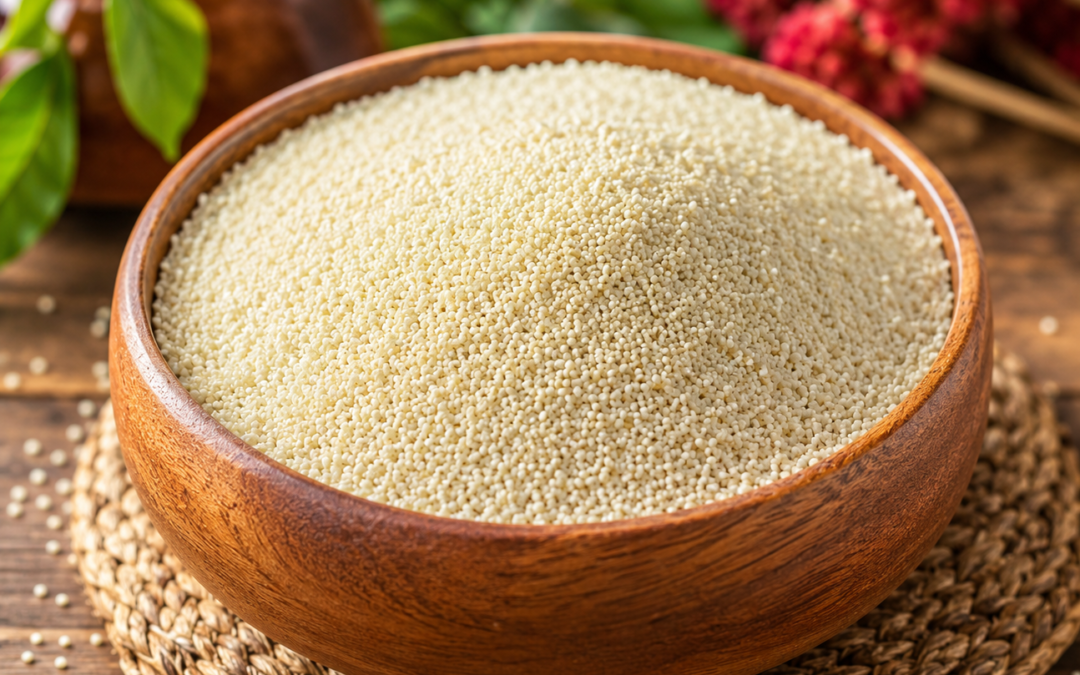
Sama rice, also known as Samak rice, Sama ke chawal, Samak chawal, Sanwa, Bhagar and Vrat ke chawal, is one such grain. Although commonly called Sama rice, it is not rice but barnyard millet. It has a long association with Indian food traditions, particularly fasting meals.
This article brings together information about Sama rice history, cultivation, nutritional value, regional names, traditional recipes and its place in Indian food culture. The information is based on traditional knowledge, published material and commonly documented agricultural and food practices.
What Is Sama Rice?
Sama rice is the grain of barnyard millet, a small millet cultivated in several parts of India and other Asian countries.
Depending on the region, it is known by different names, including Sama, Samak rice, Sama ke chawal, Samak chawal, Sanwa, Samvat, Bhagar, Vari, Moraiyo and Jhangora.
The name Vrat ke chawal is commonly used because Sama is traditionally eaten during Hindu fasting and vrat days when rice and wheat are avoided.
Sama can be cooked in ways similar to rice and is used for Sama khichdi, Sama pulao, Sama kheer, dosa, idli and other preparations.
History of Sama Rice
Barnyard millet has a long history of cultivation in Asia. It is considered one of the traditional small millets associated with rainfed and low-input farming systems.
In India, different forms of barnyard millet have traditionally been cultivated in regions where farmers grew crops suited to local soil and rainfall conditions. Over time, the grain also became closely associated with fasting traditions.
The exact history of its use differs between regions, so individual legends and traditional stories should not be treated as established historical evidence.
Traditional Cultivation of Barnyard Millet
Barnyard millet is generally grown as a rainfed crop and is suited to several relatively dry and marginal farming conditions.
Traditional cultivation practices vary according to region, rainfall, soil and local varieties.
- Sowing time differs across India and depends mainly on the local monsoon and cropping season.
- Seeds may be broadcast or sown in rows.
- The crop is generally harvested within a relatively short growing period, depending on the variety and growing conditions.
- Farmers traditionally grow it on land where crops requiring more water may be difficult to cultivate.
- It may also be included in crop rotations or mixed farming systems in some regions.
- Weed management is particularly important during the early stages of crop growth.
Modern cultivation recommendations, including seed rate, row spacing, sowing depth and fertilisation, should be followed according to the local agricultural department or agricultural university because these practices vary by variety and region.
Sama Rice Nutritional Value
Barnyard millet contains carbohydrates, protein, dietary fibre and several minerals. Its nutritional composition can vary according to the variety, growing conditions and processing method.
It is naturally gluten-free, which is one reason Sama is also used in gluten-free food preparations.
Rather than treating Sama as a replacement for every other grain, it is better understood as one of India’s traditional millet grains that can add variety to the diet.
The nutritional value of cooked Sama will also differ from that of the raw grain because cooking changes its water content and therefore the nutrient values per 100 grams.
Regional Names of Sama Rice
The same or closely related barnyard millet grains are known by different names across India.
- North India: Sama, Samak, Sanwa, Samvat, Vrat ke chawal
- Maharashtra: Bhagar, Vari
- Gujarat: Moraiyo, Samo
- Tamil Nadu: Kuthiraivali
- Karnataka: Oodalu
- Uttarakhand: Jhangora
- Other regions: Several local names are used depending on language and tradition
Regional names can sometimes refer to different varieties or related millet types. Therefore, local agricultural and food references are useful when identifying a particular grain.
Sama Rice and Indian Fasting Traditions
Sama rice has a strong place in Indian vrat and fasting food traditions.
During Navratri, Ekadashi and other fasting occasions, many families prepare Sama instead of regular rice. The exact fasting rules differ between communities and households.
Popular vrat preparations include:
- Sama khichdi
- Sama pulao
- Sama kheer
- Sama dosa
- Sama idli
- Sama flour preparations
Ingredients such as sendha namak, potatoes, peanuts, cumin, curd and selected vegetables are commonly used in many fasting preparations, depending on the particular fasting tradition.
Traditional Sama Rice Recipes
Sama Khichdi Recipe
Wash and soak 1 cup Sama rice for about 20–30 minutes. Heat ghee in a pan and add cumin, green chilli and grated ginger. Add potato cubes if they are part of your fasting meal.
Add the drained Sama and about 2 to 2½ cups of water. Add sendha namak and cook covered on a low flame until the grain becomes soft and the water is absorbed.
Serve hot with curd or a vrat-friendly accompaniment.
Sama Pulao
For Sama pulao, cook the washed and soaked Sama with suitable fasting ingredients such as peanuts, potatoes and selected vegetables.
Season with cumin, green chilli and sendha namak. Once cooked, finish with fresh coriander and a little lemon juice if these are permitted in your fasting tradition.
Sama Kheer
Wash Sama and cook it gently in milk until soft. Add sugar or jaggery according to taste, along with cardamom and dry fruits.
Sama kheer is a traditional sweet preparation that can be served warm or chilled.
Sama Idli and Dosa
Sama can also be used in fermented preparations. It may be combined with ingredients such as sabudana, soaked and ground before fermentation.
The batter can then be steamed as idli or spread on a hot tawa to prepare dosa, subject to the ingredients permitted during the particular vrat.
How to Store Sama Rice
After harvesting and processing, Sama should be stored properly to protect it from moisture and pests.
For home storage:
- Keep the grain completely dry.
- Store it in a clean, airtight container.
- Keep the container in a cool, dry place.
- Protect it from moisture and insects.
- Check the grain before use and remove any unwanted particles.
Whole grain generally stores better than freshly ground flour when moisture is controlled.
Sama Rice in Modern Indian Cooking
Sama is no longer limited to fasting kitchens. It is now used in several everyday preparations, including khichdi, upma, dosa, porridge, pulao, pancakes and flour-based dishes.
Some cooks also use cooked Sama in salads and other modern preparations.
Its gluten-free nature makes it useful in recipes where a naturally gluten-free grain is required. However, people following a strict gluten-free diet should also consider the possibility of cross-contact during processing and preparation.
Sama Rice and Scientific Research
Modern research has examined barnyard millet for its nutritional composition, dietary fibre, starch characteristics, processing methods and agricultural potential.
Studies have also examined how processes such as soaking, germination, fermentation, roasting, dehulling and cooking can influence the nutritional characteristics of millets.
Research findings vary according to the millet variety, processing method and study conditions. Therefore, individual research findings should not be turned into broad health or medical claims.
Agricultural Importance of Barnyard Millet
Barnyard millet is relevant to India’s traditional millet agriculture because it can be cultivated in a range of rainfed farming conditions.
Its relatively short growing period and suitability to certain low-input farming systems have helped maintain its place in several regional agricultural traditions.
For farmers, however, cultivation practices and profitability depend on local rainfall, soil, variety, market demand, input costs and access to suitable seed.
Greater interest in traditional millets has also encouraged research into improved varieties, cultivation practices, processing and markets.
Sama Rice: A Traditional Grain Worth Knowing
Sama rice, Samak chawal or barnyard millet may be a small grain, but it has an interesting place in India’s food and farming traditions.
From Jhangora in Uttarakhand to vrat ke chawal in North Indian homes, its names, uses and preparation methods change from one region to another.
Whether prepared as Sama khichdi, Sama pulao, Sama kheer or a modern millet dish, it offers another way to explore India’s traditional grain diversity.
For me, that is what makes Sama rice worth preserving—not as a fashionable substitute for everything else, but as a traditional Indian grain with its own history, regional identity and culinary uses.
Disclaimer
The information in this article is provided for general educational purposes. It is based on traditional food practices, agricultural information and published material available from various sources.
Nutritional composition can vary according to grain variety, cultivation conditions, processing and cooking methods. References to nutrition in this article are not intended to diagnose, treat or prevent any disease or medical condition.
Fasting practices also vary between individuals, families and communities. Readers with specific dietary, medical or nutritional requirements should seek advice from an appropriately qualified professional.
Agricultural practices such as sowing time, seed rate, spacing, fertilisation and harvesting should be adapted to local conditions and verified with appropriate agricultural authorities or experts.
