
Author’s Note:
Hello dear readers, I am Madhu Savara, a passionate homemaker from Chandigarh,h deeply connected to Himalayan traditions. Through Spoonful of Stories, I bring forgotten foods like Bhangjeera back into our kitchens with love and respect.
During one memorable trip to the Garhwal hills, a Pahadi aunt served me warm parathas with smoky Bhangjeera chutney. That nutty, aromatic flavour instantly won my heart. “These tiny seeds keep our people strong in harsh winters,” she said. That moment made me determined to document Bhangjeera — a true forgotten Himalayan ingredient.
Preface
In today’s world of processed foods, Bhangjeera (also known as Bhanjeera or Himalayan Perilla seeds) stands as a nutritional gem from the mountains. These tiny seeds from the Perilla frutescens plant offer exceptional flavour and health benefits. This complete guide covers everything about Bhangjeera seeds.
Table of Contents
- What is Bhangjeera?
- Where is Bhangjeera Found and Cultivated?
- Climate and Soil Requirements
- Role in Villagers’ Life
- Nutritional Profile and Health Benefits
- Traditional and Modern Uses in Cooking
- How to Store Bhangjeera Properly
- Simple Recipes to Try at Home
- Frequently Asked Questions (FAQs)
- Conclusion
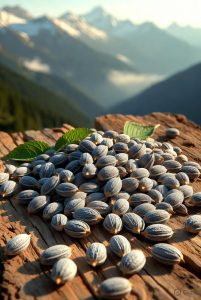
Fresh Bhangjeera seeds (Himalayan Perilla seeds) with green leaves against a beautiful mountain backdrop
What is Bhangjeera?
Bhangjeera refers to the aromatic seeds of the Perilla frutescens plant, also called Himalayan Perilla seeds. These small, oval, greyish-brown Bhangjeera seeds have a distinctive nutty and earthy flavour. The plant belongs to the mint family (Lamiaceae). Unlike hemp, Bhangjeera has no psychoactive properties and is purely a powerhouse of nutrition.
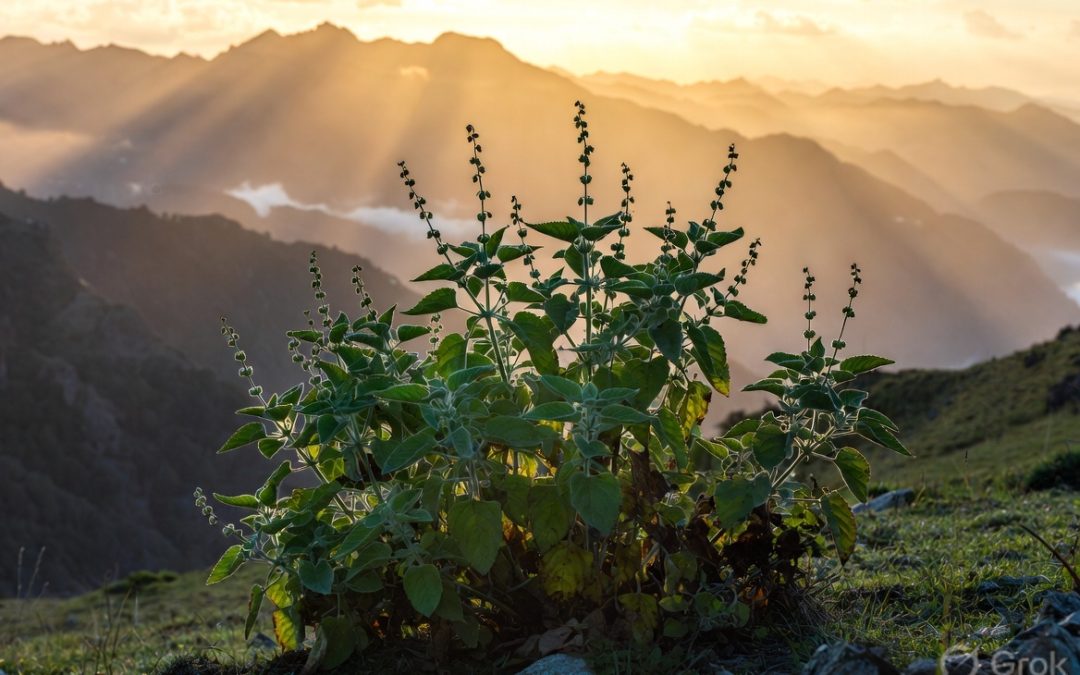
Wild Bhangjeera plant thriving on a scenic Himalayan hillside during golden hour
Where is Bhangjeera Found and Cultivated?
Bhangjeera grows wild and is traditionally harvested across the mid-Himalayan regions, particularly in Uttarakhand’s Garhwal and Kumaon areas, such as Chamoli, Pauri, and Devprayag. It is also found in parts of Himachal Pradesh. Local communities hand-harvest these forgotten Himalayan seeds in autumn.
Climate and Soil Requirements
Bhangjeera thrives at elevations of 800–2,500 metres in a temperate to subtropical Himalayan climate. It prefers well-drained sandy to loamy soils that are moisture-retentive. The plant grows well in full sun to partial shade with natural rainfall and needs 80–120 days to mature.
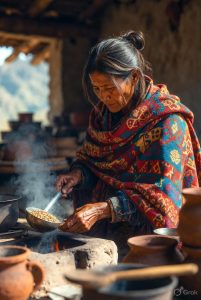
An elderly Himalayan woman traditionally roasting Bhangjeera seeds in a rustic village kitchen
Role in Villagers’ Life
For generations, Bhangjeera has been a lifeline for Himalayan villagers. Its high omega-3 content provides warmth and energy during freezing winters. Women forage and process these seeds into chutneys and flavoured salts that accompany daily meals of millets and dals. It supports local economies, preserves biodiversity, and carries forward valuable traditional knowledge.
Nutritional Profile and Health Benefits
Bhangjeera seeds are exceptionally rich in plant-based omega-3 (ALA), omega-6, protein, fibre, antioxidants, calcium, iron, magnesium, and vitamins. Regular use of Bhangjeera supports heart health, reduces inflammation, aids digestion, boosts immunity, and promotes healthy skin and hair. It has been traditionally used for cold, cough, and digestive comfort.
Traditional and Modern Uses in Cooking
In Pahadi kitchens, roasted Bhangjeera seeds are used in chutneys, Pisyun Loon (flavoured salt), paratha stuffing, dal tadka, and millet dishes. Modern ways include adding Bhangjeera to salads, smoothies, baked goods, and curd. These forgotten Himalayan Perilla seeds add wonderful nutty crunch and aroma to everyday meals.
How to Store Bhangjeera Properly
Store clean, dry Bhangjeera seeds in airtight containers in a cool, dark place. Roasted seeds stay fresh for several months, while unroasted ones last longer in the refrigerator. Proper sun-drying prevents moisture and extends shelf life up to one year.
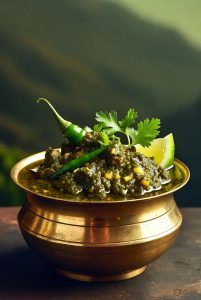
Freshly prepared Bhangjeera chutney garnished with green chilli, coriander and lemon
Simple Recipes to Try at Home Classic Bhangjeera Chutney:
Roast 4 tbsp Bhangjeera seeds till aromatic. Grind with green chillies, garlic, coriander, mint, lemon juice, and salt. Serve with rotis or rice.
Bhangjeera Paratha Stuffing:
Mix roasted ground Bhangjeera seeds with jaggery, sesame, and walnuts for a nutritious filling.
Frequently Asked Questions (FAQs)
Q1: Is Bhangjeera the same as hemp seeds? A: No. Bhangjeera comes from Perilla frutescens and has no psychoactive effects.
Q2: Can I grow Bhangjeera at home? A: Yes, in a suitable Himalayan-like climate with well-drained soil and sunlight.
Q3: Are there any side effects of Bhangjeera? A: Safe in normal culinary amounts. Consult a doctor if you have allergies or medical conditions.
Q4: Where can I buy authentic Bhangjeera? A: Source from trusted Uttarakhand cooperatives or online stores specialising in Himalayan products.
Q5: How does Bhangjeera help during winter? A: Its warming omega-3 rich profile provides sustained energy and supports immunity in cold weather.
CTA
Ready to bring this forgotten Himalayan ingredient back to your table? Try the Bhangjeera chutney this week and share your photos with us on Instagram @madhusavaraskitchen. Subscribe to our newsletter for more authentic recipes and meal plans featuring forgotten foods.
Conclusion:
Bhangjeera perfectly represents the treasure of India’s forgotten Himalayan ingredients. By using these nutritious Perilla seeds, we honour our heritage, support mountain communities, and nourish our families with traditional wisdom. Start including Bhangjeera in your cooking today and enjoy every spoonful of its rich story.
Disclaimer:e
This blog post is provided solely for informational and educational purposes based on traditional knowledge and general information. The author is not a doctor, researcher, nutritionist, agronomist, or any kind of medical or agricultural professional. This content does not constitute any form of medical, health, dietary, agricultural, or professional advice. The author and madhusavara.com expressly disclaim and assume no liability whatsoever for any direct, indirect, incidental, consequential, special, or punitive loss, damage, injury, or any other harm of any kind arising from the use, misuse, or reliance on any information contained in this post. Readers must independently verify all information and consult qualified healthcare professionals before making any dietary changes, especially if pregnant, nursing, or having medical conditions. For cultivation or farming advice, please consult local agricultural experts. No guarantees or warranties of any kind are provided regarding accuracy, completeness, suitability, safety, or results. Use this information entirely at your own risk.
Explore more about India’s lost treasures in my earlier blog: 25 Lost Foods of India.”
“Explore more about this wild delight in my earlier detailed post: Lingri – The Himalayan Fiddlehead Fern.”
“Read my previous in-depth article on this powerful mountain garlic: Pahadi Garlic – Himalayan Single Clove Treasure.
Kala JeeraHimalayan black cuminBunium persicumForgotten aromatic herbs of the HimalayasHimalayan herbstraditional Himalayan herbsCleome viscosaUttarakhand spiceJakhyaHimalayan wild mustardJakhya seedsCleome viscosaUttarakhand spice
