
Sepu Vadi Recipe: Authentic Kangri Dham Special from Himachal Pradesh – Traditional Kangra Valley
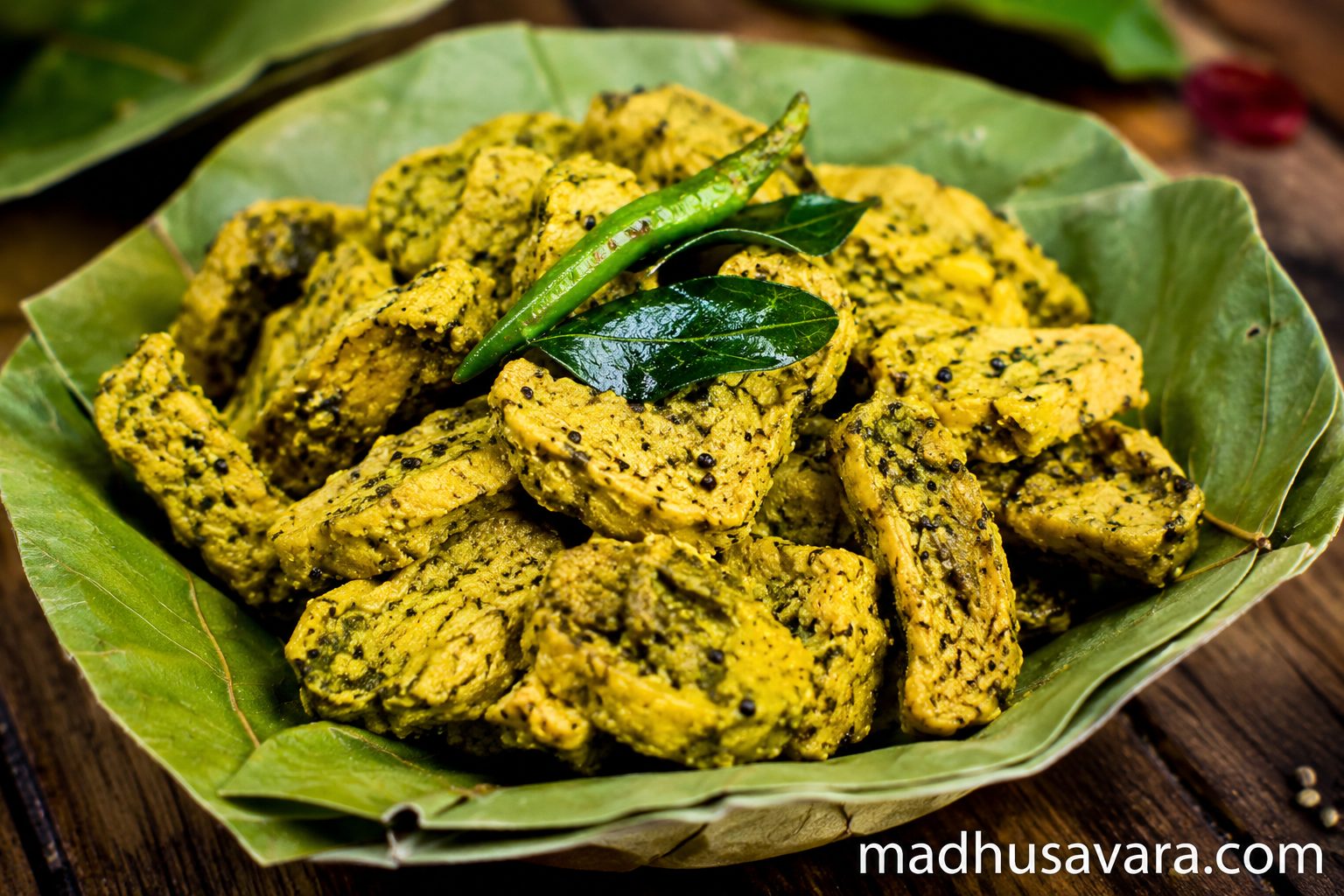
Traditional Himachali Sepu Vadi served in a natural leaf plate, featuring gram lentil dumplings in authentic Kangra-style preparation, photographed in vibrant high-resolution food photography with rich colours and rustic presentation.

This Sepu Vadi recipe delivers authentic Kangri Dham flavours – steamed and fried urad dal vadis simmered in a mustard oil-infused spinach-yoghurt gravy. Ideal for home cooks seeking genuine Himachali taste.

Table of Contents

  • Preparation & Cooking Time, Servings, Calories & Nutritional Value
  • Nutritional Chart
  • Ingredients
  • Utensils Required
  • Step-by-Step Cooking Recipe
  • Allergen Information
  • Tips and Variations
  • Things to Avoid
  • Storage Instructions
  • Other Essentials (Pairing with Kangri Dham)
  • FAQ
  • CTA
  • Conclusion
  • Authentic References
  • Author’s Bio

Servings

4-6 person

Preparation Time:

25-30 minutes

Cooking Time:

60 minutes

Calories

340

Ingredients

For the Vadis (Dumplings):

  • 250g split black urad dal (soaked overnight)
  • 1-inch piece of ginger, chopped
  • 1-2 green chillies, chopped
  • Salt to taste
  • A pinch of Eno fruit salt (or baking soda) + ½ tsp lemon juice
  • Mustard oil for deep frying

For the Spinach Gravy:

  • 250g fresh spinach leaves, blanched and pureed
  • 200-250 ml thick yoghurt (dahi), whisked until smooth
  • 2-3 tbsp mustard oil
  • 1 tsp cumin seeds
  • Whole spices: 2-3 black cardamom, 4-6 cloves, 1-inch cinnamon stick, 1 tsp fennel seeds
  • ½ tsp turmeric powder
  • 1 tsp coriander powder
  • ½-1 tsp Kashmiri rechillili powder (adjust to taste)
  • ½ tsp asafoetida (hing)
  • 1-2 grechillies, slit
  • Salt to taste
  • 1-2 cups water (as needed)
  • Fresh coriander leaves for garnishing

Equipment Needed

Grinder or blender, steamer (or idli stand/pressure cooker), deep kadai for frying, heavy-bottomed pan or wok for gravy, whisk, spatula, and serving bowls.

Nutrition Information

Nutrient Amount % Daily Value*
Calories 310 kcal 15.5%
Protein 13-15g 27%
Fiber 7g 25%
Iron 4.5mg 25%

Step by Step Instructions

  1. Prepare the Dal Batter: Drain the soaked urad dal completely. In a grinder, combine the dal with chopped ginger and green chillies. Grind to a thick, smooth paste using as little water as possible (add 1-2 tablespoons only if absolutely needed). Transfer to a bowl. Add salt and whisk vigorously for 5-7 minutes until the batter becomes light and fluffy.
  2. Steam the Vadis: Quickly mix in the Eno fruit salt and lemon juice. Immediately pour the batter into a greased plate or steamer mould (about 1 to 1.5 inch thick layer). Steam over boiling water for 15-20 minutes. Check doneness by inserting a toothpick – it should come out clean. Allow it to cool completely, then cut into diamond or square pieces.
  3. Fry the Vadis: Heat mustard oil in a deep kadai over medium heat. Fry the steamed vadi pieces in batches until they turn golden brown and crisp on the outside. Remove and drain on paper towels to remove excess oil.
  4. Prepare the Spinach Gravy: Blanch the spinach in boiling water for 2 minutes, then immediately transfer to ice-cold water. Drain and blend into a smooth puree. Heat 2-3 tbsp mustard oil in a heavy pan. Add cumin seeds and let them crackle. Add the whole spices (black cardamom, cloves, cinnamon, fennel seeds) and sauté for 30 seconds until fragrant. Add asafoetida, turmeric powder, coriander powder, Kashmiri chilli powder, and slit green chillies. Stir for a few seconds.
  5. Cook the Gravy: Add the spinach puree and salt. Cook on medium heat for 5-6 minutes. Reduce the flame to low. Gradually pour in the whisked yoghurt while stirring continuously to prevent curdling. Add 1-2 cups of water to achieve a medium-thick gravy consistency. Simmer gently for 8-10 minutes, stirring occasionally.
  6. Combine and Finish: Gently add the fried vadis into the simmering gravy. Cook on low heat for another 10-15 minutes so the vadis absorb the flavours and become soft. Turn off the heat. Garnish with freshly chopped coriander leaves. Serve hot.

Tips and Variations

  • Adding too much water while grinding the dal (makes dense vadis).
  • Using high heat after adding yoghurt (causes splitting).
  • Skipping mustard oil, as it gives the signature Kangra aroma.

Allergen Information

Contains lentils (urad dal) and dairy (yoghurt). Prepared with mustard oil.

Other Essentials

Store in an airtight container in the refrigerator for up to 3 days. Reheat on the stovetop with a splash of water or milk to restore consistency. Best enjoyed fresh.

Traditional Himachali Sepu Vadi served with steamed rice and Telia Mah dal on a leaf plate by a local Bolti Cook, showcasing authentic Kangra Dham hospitality

.

Other Essentials

Serve this Sepu Vadi with Telia Maah (ghee-rich black urad dal), Boor ki Kadi or khatta kadi, plain aromatic rice, moong dal, madra, and meetha bhaat for a complete, authentic Kangri Dham thali served on pattlu leaves.

FAQ

Q1. What is Sepu Vadi, and why is it important in Kangri Dham? A: Sepu Vadi is a traditional Himachali dish made from urad dal dumplings that are steamed, fried, and cooked in a spinach-yoghurt gravy. It is one of the major items in Kangri Dham, adding protein and delicious texture to the festive meal.

Q2. Can I make Sepu Vadi without deep frying? A: Traditional recipe includes frying for the best texture and taste. However, you can lightly sauté the steamed vadis in minimal oil for a healthier version, though the authentic crisp exterior will be milder.

Q3. How do I prevent yoghurt from curdling in the gravy? A: Always reduce the flame to low, whisk the yoghurt well, and add it gradually while stirring continuously. Using full-fat, room-temperatureyoghurtt also helps.

Q4. Can I prepare the vadis in advance? A: Yes. You can steam and even fry the vadis 1-2 days ahead. Store them in the refrigerator and add to the hot gravy just before serving.

Q5. Is Sepu Vadi gluten-free? A: Yes, the recipe is naturally gluten-free when prepared with pure ingredients.

Q6. What is the best way to serve the Sepu Vadi Kangri Dham recipe? A: Serve hot with steamed rice or roti as part of a full Kangri Dham thali along with Telia Maah, Boor ki Kadi, and meetha bhaat.

CTA

Explore more Kangri Dham and Himachali recipes in the dedicated recipe section on madhusavara.com. Try this Sepu Vadi Kangri Dham recipe today and share your experience!

Conclusion

This thoroughly thought-out Sepu Vadi Kangri Dham recipe captures Kangra’s essence perfectly. Nutritious and festive, it brings tradition home.

Authentic References

Based on established Kangra Dham practices and regional cooking traditions.

Author’s Bio: Madhu Savara, owner of madhusavara.com, curates authentic regional Indian recipes with a focus on Himalayan heritage.


Disclaimer

Important Notice: Read Before Proceeding

The recipes, preparation methods, nutritional details, and related content published on Madhu Savara’s website, social media, and associated platforms are intended solely for general informational and educational purposes. While every effort has been made to ensure accuracy and reliability, we make no guarantees regarding the results, safety, or accuracy of any recipe presented here.

We are not licensed nutritionists, dieticians, or medical professionals. The nutritional values provided are estimates only, calculated using third-party tools, and should not be used for medical diagnosis, dietary treatment, or allergy management. If you have any medical conditions, dietary restrictions, or food allergies, please consult your doctor or certified dietitian before attempting any recipe.

Cooking inherently involves sharp tools, high heat, and the risk of injury or fire. You assume full responsibility for your kitchen practices. Madhu Savara, the website, and all contributors shall not be held liable for any damage, injury, loss, or adverse outcome resulting directly or indirectly from the preparation, consumption, or interpretation of any content herein.

By using this website and attempting any recipe, you agree to hold harmless and indemnify Madhu Savara and her team from any liability, legal claim, or damages arising from the use of this content. You are encouraged to exercise independent judgment and take full responsibility for your health, kitchen safety, and actions.


In the serene Kangra Valley, Kangri Dham feasts foster community bonds. Sepu Vadi, with its tender dal dumplings in spinach gravy, is a cherished part of these celebrations, embodying Pahari warmth and simplicity.
Significance of Sepu Vadi in Kangri Dham

Sepu Vadi is a major item in Kangri Dham, enhancing the festive thali with its unique texture and flavour, served alongside rice and other classics during special occasions in Kangra.

Traditional Himachali Sepu Vadi served in a natural leaf plate, featuring gram lentil dumplings in authentic Kangra-style preparation, photographed in vibrant high-resolution food photography with rich colours and rustic presentation.
Madhu Savara

Sepu Vadi Recipe: Authentic Kangri Dham Special from Himachal Pradesh

Discover the authentic Sepu Vadi recipe – a major highlight of Kangri Dham from Kangra Valley. Learn step-by-step how to make soft urad dal vadis in rich spinach gravy with traditional spices. Perfect for festive feasts with Telia Maah and more.
Prep Time 30 minutes
Cook Time 1 hour
Servings: 6
Course: Main Course
Cuisine: Himachali Dham, Indian, Kangri Dham
Calories: 340

Ingredients
  

  • For the Vadis Dumplings:
  • 250 g split black urad dal soaked overnight
  • 1- inch piece ginger chopped
  • 1-2 green chilies chopped
  • Salt to taste
  • A pinch of Eno fruit salt or baking soda + ½ tsp lemon juice
  • Mustard oil for deep frying
  • For the Spinach Gravy:
  • 250 g fresh spinach leaves blanched and pureed
  • 200-250 ml thick yogurt dahi, whisked until smooth
  • 2-3 tbsp mustard oil
  • 1 tsp cumin seeds
  • Whole spices: 2-3 black cardamom 4-6 cloves, 1-inch cinnamon stick, 1 tsp fennel seeds
  • ½ tsp turmeric powder
  • 1 tsp coriander powder
  • ½-1 tsp Kashmiri red chili powder adjust to taste
  • ½ tsp asafoetida hing
  • 1-2 green chilies slit
  • Salt to taste
  • 1-2 cups water as needed
  • Fresh coriander leaves for garnishing

Equipment

  • Grinder or blender, steamer (or idli stand/pressure cooker), deep kadai for frying, heavy-bottomed pan or wok for gravy, whisk, spatula, and serving bowls.

Method
 

  1. Prepare the Dal Batter: Drain the soaked urad dal completely. In a grinder, combine the dal with chopped ginger and green chilies. Grind to a thick, smooth paste using as little water as possible (add 1-2 tablespoons only if absolutely needed). Transfer to a bowl. Add salt and whisk vigorously for 5-7 minutes until the batter becomes light and fluffy.
  2. Steam the Vadis: Quickly mix in the Eno fruit salt and lemon juice. Immediately pour the batter into a greased plate or steamer mold (about 1 to 1.5 inch thick layer). Steam over boiling water for 15-20 minutes. Check doneness by inserting a toothpick – it should come out clean. Allow it to cool completely, then cut into diamond or square pieces.
  3. Fry the Vadis: Heat mustard oil in a deep kadai over medium heat. Fry the steamed vadi pieces in batches until they turn golden brown and crisp on the outside. Remove and drain on paper towels to remove excess oil.
  4. Prepare the Spinach Gravy: Blanch the spinach in boiling water for 2 minutes, then immediately transfer to ice-cold water. Drain and blend into a smooth puree. Heat 2-3 tbsp mustard oil in a heavy pan. Add cumin seeds and let them crackle. Add the whole spices (black cardamom, cloves, cinnamon, fennel seeds) and sauté for 30 seconds until fragrant. Add asafoetida, turmeric powder, coriander powder, Kashmiri chili powder, and slit green chilies. Stir for a few seconds.
  5. Cook the Gravy: Add the spinach puree and salt. Cook on medium heat for 5-6 minutes. Reduce the flame to low. Gradually pour in the whisked yogurt while stirring continuously to prevent curdling. Add 1-2 cups water to achieve a medium-thick gravy consistency. Simmer gently for 8-10 minutes, stirring occasionally.
  6. Combine and Finish: Gently add the fried vadis into the simmering gravy. Cook on low heat for another 10-15 minutes so the vadis absorb the flavors and become soft. Turn off the heat. Garnish with freshly chopped coriander leaves. Serve hot.

Notes

Things to Avoid Adding too much water while grinding the dal (makes dense vadis). Using high heat after adding yogurt (causes splitting). Skipping mustard oil, as it gives the signature Kangra aroma. Storage Instructions Store in an airtight container in the refrigerator for up to 3 days. Reheat on the stovetop with a splash of water or milk to restore consistency. Best enjoyed fresh. Other Essentials (Pairing with Kangri Dham) Serve this Sepu Vadi with Telia Maah (ghee-rich black urad dal), Boor ki Kadi or khatta kadi, plain aromatic rice, moong dal, madra, and meetha bhaat for a complete, authentic Kangri Dham thali served on pattlu leaves.