
Author’s Note
By Madhu Savara, Author & Owner of madhusavara.com
Namaste dear readers,
During my journeys through the Himalayan foothills of Uttarakhand, I have often noticed villagers carrying small brown fruits gathered from nearby forests and pathways. One autumn afternoon, an elderly farmer offered me a handful and simply said, “Yeh Kainth hai, pahadon ka purana phal.”
The fruit had a unique flavour—slightly sweet, pleasantly tart, and mildly astringent. Curious to know more, I spent time speaking with residents, traditional foragers, and elderly villagers. I soon realised that this humble fruit carried generations of stories, traditions, and nutritional wisdom.
Today, many people know about imported superfoods but have never heard of Kainth, the Himalayan wild pear that has nourished mountain communities for centuries. Through this article, I hope to introduce readers to Pahadi Kainth and highlight why this forgotten superfood deserves renewed attention.
Table of Contents
Contents
- Preface
- What is Kainth?
- Origin and Distribution of Kainth
- Cultural Significance of Pahadi Kainth
- Botanical Description of Pyrus pashia Kainth
- Traditional Uses of Kainth Fruit
- Nutritional Value of Himalayan Wild Pear
- Health Benefits of Kainth Fruit
- Medicinal Importance of Kainth
- Impact on Rural Families
- Kainth vs Cultivated Pears
- Nutritional Composition Chart
- Safety and Precautions
- Why Forgotten Superfood Kainth Matters Today
- FAQs
- Conclusion
Preface
Kainth (Pyrus pashia Kainth), commonly known as the Himalayan wild pear, is one of the most overlooked treasures of the Indian Himalayas. Growing naturally across the wild pear Himalayas region, this resilient fruit has quietly supported mountain communities for generations.
Long before imported berries and exotic health foods became popular, Kainth fruit was part of the local diet, traditional medicine, and seasonal food culture. Rich in fibre, antioxidants, minerals, and cultural significance, Pahadi Kainth represents a sustainable food resource that deserves wider recognition.
As awareness grows about local and climate-resilient foods, forgotten superfood Kainth is gradually finding its place among India’s valuable indigenous foods.
What is Kainth (Pyrus pashia Kainth)?
Kainth is a wild pear species scientifically known as Pyrus pashia. Belonging to the Rosaceae family, it grows naturally in mountainous regions without intensive cultivation.
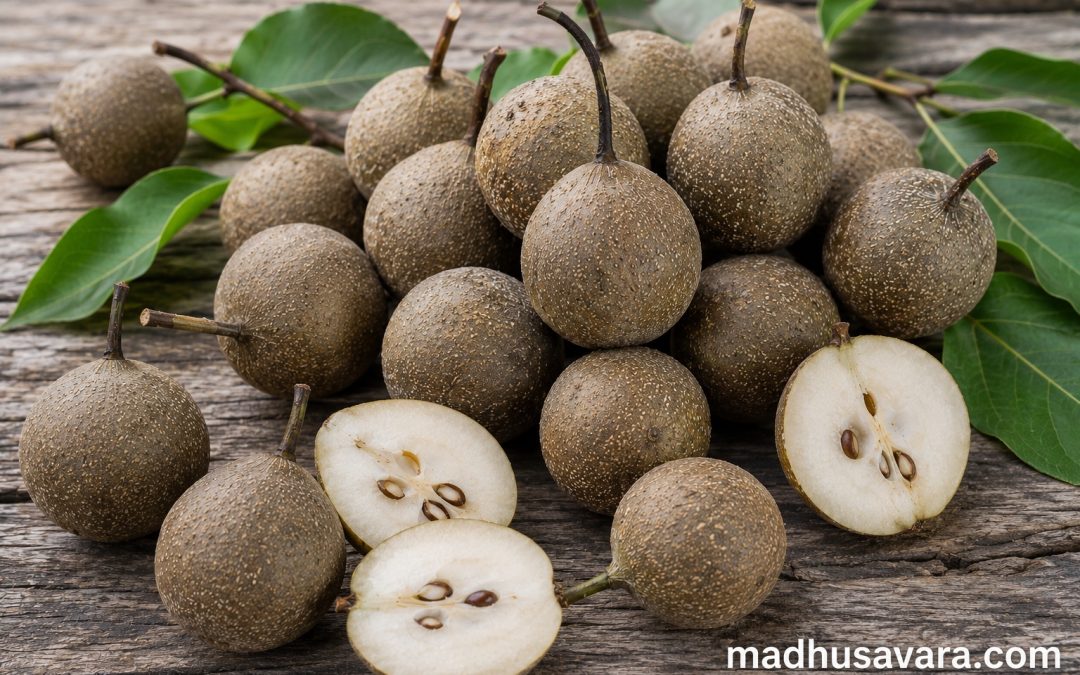
Unlike commercial pears commonly available in markets, Kainth fruit is smaller, firmer, and possesses a distinctive sweet-sour taste with slight astringency. Its unique flavour profile makes it memorable and highly valued among Himalayan communities.
The Himalayan wild pear has adapted remarkably well to harsh weather conditions, poor soils, and steep slopes. This resilience makes it an important species in the wild pear Himalayas ecosystem.
Origin and Distribution of Kainth
Native Habitat
Pyrus pashia Kainth is native to the Himalayan region and neighbouring mountainous areas extending across:
- India
- Nepal
- Bhutan
- Pakistan
- Afghanistan
- Parts of China
Distribution in India
In India, Kainth is commonly found in:
- Uttarakhand
- Himachal Pradesh
- Jammu & Kashmir
- Parts of Sikkim
- Selected North-Eastern hill regions
Preferred Growing Conditions
The Himalayan wild pear thrives between 750 and 2700 metres above sea level. It naturally grows on:
- Forest edges
- Rocky slopes
- Village commons
- Uncultivated lands
- Mid-hill ecosystems
One of the remarkable qualities of Pahadi Kainth is its ability to survive with minimal human intervention.
Cultural Significance of Pahadi Kainth
For generations, Kainth fruit has been woven into the cultural fabric of Himalayan life.
A Fruit of Survival
During periods of poor harvests or food shortages, villagers often relied upon locally available wild foods. Kainth served as an important supplementary food source, helping families through difficult times.
Childhood Memories
Many older residents of Uttarakhand and Himachal Pradesh fondly recall collecting Kainth from village pathways and nearby forests during autumn.
Traditional Knowledge
The use of Pahadi Kainth reflects the traditional ecological wisdom of Himalayan communities, who understood how to utilise local biodiversity sustainably.
Preserving Heritage
As migration and changing food habits increase, knowledge surrounding the forgotten superfood Kainth is gradually declining. Reviving awareness about this fruit also helps preserve valuable cultural traditions.
Botanical Description of Pyrus pashia Kainth
Tree Characteristics
The Kainth tree typically reaches a height of 9 to 10 metres.
Notable characteristics include:
- Thorny branches
- Dense crown
- Strong root system
- Attractive white blossoms
Flowers
The Himalayan wild pear produces clusters of beautiful white flowers during spring, attracting pollinators and supporting biodiversity.
Fruit Characteristics
Kainth fruit is generally:
- Small in size
- Round to pear-shaped
- Brownish-yellow when ripe
- Firm in texture
- Sweet-tart in flavour
Its distinctive taste sets it apart from cultivated pear varieties.
Traditional Uses of Kainth Fruit
The versatility of Kainth fruit has contributed to its long-standing popularity among local communities.
Fresh Consumption
Many people prefer consuming ripe Kainth after natural softening.
Chutneys
Traditional Himalayan households prepare flavourful chutneys using ripe and semi-ripe fruits.
Pickles
The slightly tart taste makes Kainth suitable for traditional pickling methods.
Dried Snacks
Fruit slices are sun-dried and stored for use during the off-season.
Jams and Preserves
Modern entrepreneurs are increasingly exploring value-added products prepared from the Himalayan wild pear.
Local Beverages
In some regions, Kainth has also been incorporated into traditional fermented drinks.
Nutritional Value of Himalayan Wild Pear
The growing interest in forgotten superfood Kainth stems largely from its nutritional profile.
Key Nutrients Found in Kainth
The fruit contains:
- Dietary fibre
- Natural carbohydrates
- Vitamin C
- B-complex vitamins
- Potassium
- Calcium
- Iron
- Magnesium
- Phosphorus
Beneficial Plant Compounds
Pyrus pashia Kainth is also known to contain:
- Phenolic compounds
- Flavonoids
- Natural antioxidants
These compounds contribute significantly to the health-promoting potential of Kainth fruit.
Health Benefits of Kainth Fruit
Supports Digestive Health
The fibre content of Kainth fruit may help maintain digestive wellness and regular bowel movements.
Rich in Antioxidants
Natural antioxidants found in the Himalayan wild pear may help protect the body against oxidative stress.
Supports Heart Health
Potassium and various phytochemicals present in Pahadi Kainth may contribute to cardiovascular wellbeing.
Sustained Energy
The natural sugars and fibre found in Kainth help provide gradual energy release.
Supports Immunity
Vitamin C and antioxidant compounds contribute to overall immune function.
Suitable for Balanced Diets
Because Kainth fruit is naturally rich in fibre and relatively low in calories, it may complement healthy dietary patterns.
Traditional Blood Sugar Support
Local communities have historically valued Kainth as part of balanced diets aimed at supporting metabolic health.
Medicinal Importance of Kainth (Pyrus pashia Kainth)
For centuries, Himalayan communities have used Kainth, the Himalayan wild pear, not only as a food but also as a part of traditional wellness practices. While traditional use should not be confused with medical treatment, several scientific studies have investigated the properties of Pyrus pashia Kainth.
Traditional Folk Uses of Kainth Fruit
In various Himalayan villages, Kainth fruit has traditionally been used for:
- Digestive discomfort
- Occasional diarrhoea and dysentery
- Sore throat relief
- General weakness during seasonal changes
- Nutritional support during lean agricultural periods
Traditional Uses of Leaves and Bark
Different parts of the Pahadi Kainth tree have also been utilised by local communities.
Leaves
Traditionally used in certain folk remedies and livestock care practices.
Bark
In some regions, bark preparations have historically been used in traditional applications relating to digestive and skin-related concerns.
What Research Suggests
Published studies on Pyrus pashia Kainth indicate the presence of:
- Antioxidant compounds
- Anti-inflammatory properties
- Bioactive phytochemicals
- Potential antidiabetic activity
- Antimicrobial properties
Further clinical research is still needed, but existing findings support many traditional observations associated with this valuable, forgotten superfood, Kainth.
Impact of Kainth on Rural Families
The significance of Kainth extends well beyond nutrition.
Supports Food Security
In remote Himalayan regions, locally available foods often play an important role in household food security. Kainth fruit provides an additional source of nutrition during seasonal transitions.
Source of Supplemental Income
Increasing awareness about native foods has created opportunities for villagers to sell:
- Fresh fruits
- Dried products
- Chutneys
- Pickles
- Preserves
This can provide supplementary income to rural households.
Preserves Traditional Knowledge
The continued use of Pahadi Kainth helps preserve valuable indigenous knowledge that has been passed down through generations.
Supports Sustainable Living
Because the tree grows naturally across the wild pear Himalayas region, it requires little maintenance while contributing to ecological stability.
Kainth vs Cultivated Pears
| Aspect | Kainth (Himalayan Wild Pear) | Cultivated Pear |
|---|---|---|
| Scientific Name | Pyrus pashia Kainth | Various cultivated species |
| Fibre Content | Higher | Moderate |
| Antioxidant Levels | High | Moderate |
| Climate Resilience | Excellent | Moderate |
| Need for Chemical Inputs | Very Low | Often Required |
| Biodiversity Value | High | Lower |
| Traditional Uses | Extensive | Limited |
| Availability | Seasonal | Commercially Available |
| Ecological Importance | Significant | Moderate |
Nutritional Composition of Kainth Fruit (Approximate per 100 g)
| Nutrient | Approximate Value |
|---|---|
| Moisture | 61–62% |
| Sugars | 6.8% |
| Protein | 3.7% |
| Dietary Fibre | High |
| Vitamin C | 1.2 mg |
| Potassium | 0.475% |
| Calcium | 0.061% |
| Iron | 0.006% |
| Phenolics | Rich |
| Flavonoids | Rich |
Values may vary depending on growing conditions, maturity, and geographical location.
Environmental Importance of the Himalayan Wild Pear
Supports Biodiversity
The Himalayan wild pear provides food and habitat for birds, insects, and wildlife.
Prevents Soil Erosion
Its strong root system helps stabilise slopes and reduce soil erosion in mountainous areas.
Climate Resilience
The ability of Pyrus pashia Kainth to thrive in difficult environments highlights its potential importance in future climate-resilient food systems.
Conserves Native Species
Promoting native fruits like Kainth encourages conservation of regional biodiversity and traditional landscapes.
Safety, Precautions and Suitability
Is Kainth Safe to Eat?
Yes, properly identified and ripe Kainth fruit is generally considered safe for consumption.
Precautions
Consume in Moderation
People who are unfamiliar with the fruit should begin with small quantities.
Proper Identification is Essential
Only consume fruits that have been correctly identified as Pyrus pashia Kainth.
Wash Before Consumption
Fresh fruits should be washed thoroughly before eating.
Allergy Considerations
Individuals with known allergies to members of the Rosaceae family should seek medical advice before consumption.
Suitable For
- Adults
- Elderly individuals
- Children (under supervision)
- Traditional and natural food enthusiasts
Why Forgotten Superfood Kainth Matters Today
In recent years, consumers have shown growing interest in sustainable, local, and nutrient-rich foods. Yet many people remain unaware of Kainth, despite its long history of use across the wild pear Himalayas region.
A Local Alternative to Imported Superfoods
Instead of relying solely on imported products, India possesses a wealth of indigenous foods,s such as Kainth fruit, which offer nutritional and cultural value.
Supports Rural Livelihoods
Growing awareness about Pahadi Kainth can create economic opportunities for mountain communities.
Promotes Biodiversity Conservation
Protecting native species such as the Himalayan wild pear contributes to healthier ecosystems.
Preserves Food Heritage
Reviving interest in forgotten superfood Kainth ensures that traditional knowledge is not lost to future generations.
The story of Kainth is not merely about a fruit; it is about reconnecting with local wisdom, sustainable living, and India’s rich food heritage.
Frequently Asked Questions (FAQs)
What is Kainth?
Kainth is a wild pear species scientifically known as Pyrus pashia Kainth, commonly found in the Himalayan regions.
Is Kainth the same as the Himalayan wild pear?
Yes. Kainth and Himalayan wild pear are common names used for the same fruit-bearing tree.
Where does Pahadi Kainth grow?
Pahadi Kainth grows naturally in Uttarakhand, Himachal Pradesh, Jammu & Kashmir, Nepal, Bhutan, and other Himalayan regions.
What does Kainth fruit taste like?
Kainth fruit has a unique sweet-tart flavour with a slightly astringent finish.
Why is Kainth called a forgotten superfood?
It is called forgotten superfood Kainth because it possesses valuable nutritional and traditional benefits, but remains largely unknown outside mountain communities.
Can Kainth fruit be eaten raw?
Yes. Fully ripe Kainth fruit is commonly consumed fresh and is also used in chutneys, pickles, jams, and dried preparations.
What is the scientific name of Kainth?
The scientific name of Kainth is Pyrus pashia Kainth.
Does Kainth grow naturally?
Yes. The Himalayan wild pear grows naturally in forests, village lands, and hilly regions with minimal human intervention.
Conclusion
Kainth, also known as Pyrus pashia Kainth and the Himalayan wild pear, is one of the most remarkable yet underappreciated fruits of the Indian Himalayas. Rich in fibre, antioxidants, traditional knowledge, and ecological value, Kainth fruit has supported generations of mountain communities.
Whether enjoyed fresh, dried, or transformed into traditional preparations, Pahadi Kainth represents a living connection between people, nature, and cultural heritage. As awareness about local foods continues to grow, the revival of forgotten superfood Kainth can contribute to healthier diets, stronger rural livelihoods, and greater appreciation of India’s indigenous food resources.
The next time you hear about superfoods, remember that some of the most valuable treasures may already be growing quietly across the wild pear Himalayas region.
Read More on Madhusavara.com
Explore more authentic stories about India’s forgotten foods and Himalayan treasures, including:
Subscribe to madhusavara.com for more research-backed articles on forgotten superfoods, traditional foods, sustainable living, and rural wisdom.
Disclaimer
The information presented in this article regarding Kainth (Pyrus pashia Kainth), Himalayan wild pear, Kainth fruit, and Pahadi Kainth is compiled from traditional knowledge, published scientific studies, and educational resources. It is intended solely for informational and educational purposes and should not be considered medical advice, diagnosis, or treatment.
Readers should consult qualified healthcare professionals before using any wild plant or traditional remedy for health-related purposes. Proper identification of wild fruits and plants is essential. The author and madhusavara.com shall not be liable for any loss, injury, or consequences arising from the use of information provided in this article.
Sustainable and responsible foraging is strongly encouraged.
Authenticated References
1. Sharma, S., et al. (2022)
Value Addition to Underutilised Wild Himalayan Pear (Pyrus pashia)
DOI: 10.14293/S2199-1006.1.SOR-.PPFFBDC.v1
2. Janbaz, K.H., et al. (2015)
Scientific Basis for Use of Pyrus pashia Buch.-Ham. ex D. Don in Gastrointestinal, Respiratory and Cardiovascular Ailments
PubMed Central (PMC): PMC4364991
https://pmc.ncbi.nlm.nih.gov/articles/PMC4364991/
3. Hemalatha, S., et al. (2016)
Quality Control Standardisation of Wild Himalayan Pear (Pyrus pashia)
DOI: 10.5530/pj. 2016.4.8
4. Additional Ethnobotanical Studies
Research literature on wild edible fruits of Uttarakhand and Himachal Pradesh published in peer-reviewed journals relating to Himalayan biodiversity, traditional foods, and ethnobotany.
Author Bio
Madhu Savara is a writer and owner of madhusavara.com. She is passionate about documenting India’s forgotten foods, traditional farming practices, Himalayan biodiversity, and rural food heritage. Through her work, she aims to preserve valuable traditional knowledge and bring attention to nutritious indigenous foods that deserve a place in modern diets.
One Powerful Thought:
Rediscovering Kainth and other forgotten Indian superfoods is one of the simplest ways to reconnect with nature, support local communities, and build lasting wellness from our own soil.
