
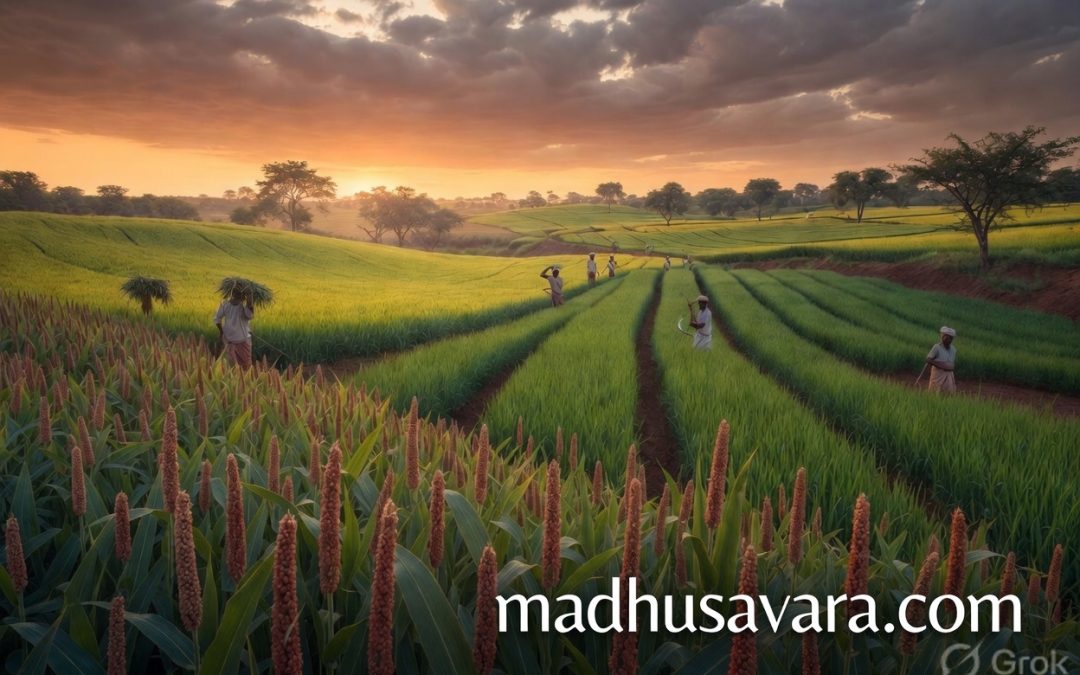
Author’s Note By Madhu Savara, Owner of madhusavara.com
Hello dear readers,
As someone deeply rooted in Indian traditions and passionate about natural wellness, I have always believed that the solutions to many modern health challenges lie in our forgotten heritage. Ragi, or Finger Millet, is one such treasure. At madhusavara.com, we celebrate foods that nourish both body and soul. In this comprehensive guide on Ragi (Finger Millet) – the ultimate forgotten superfood for weight loss, strong bones, and diabetes management – I share insights drawn from traditional wisdom and practical knowledge. Let us rediscover this humble grain together.
A Childhood Memory from the Deccan Plateau
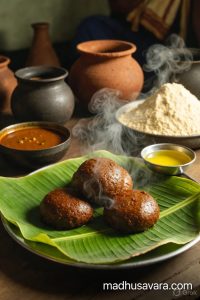
Freshly steamed Ragi Mudde – a nostalgic dish from the villages of Chitradurga.
I still vividly remember the summer holidays when my family from Punjab visited my mother’s college friend, who had married and settled in the village of Bombrahalli near Chitradurga on the Deccan plateau in Karnataka. One morning, after playing in the millet fields, I entered the kitchen filled with the warm, earthy aroma of freshly steamed Ragi mudde.
My aunt served me hot Ragi mudde with sambar and ghee. Coming from a wheat-eating Punjab home, the nutty taste felt new, yet it gave me surprising fullness and steady energy that lasted through the day. Those repeated holiday meals in Bombrahalli taught me that true superfoods rise from the soil and sustain generations. Even though Ragi was not common in our Punjab diet, those experiences sparked my lasting appreciation for this forgotten grain. Today, as processed foods dominate, it is time to bring Ragi back.
Origin of Ragi (Finger Millet)
Ragi, scientifically known as Eleusine coracana, originated in the highlands of East Africa, particularly in Ethiopia and Uganda, where it has been cultivated for thousands of years. It made its way to India around 4000 years ago and found a special place in the diets of southern and central regions. Archaeological evidence links it to ancient civilisations. In India, it adapted beautifully to diverse climates, thriving especially in rainfed areas of the Deccan plateau and beyond.
Significance in Indian Culture and Diet
For centuries, Ragi was a staple among rural households, especially farmers and labourers who needed sustained energy. It symbolised resilience and nourishment. In Karnataka and other parts of South India, there is a saying that children who eat Ragi grow strong enough to move mountains. Traditional recipes like Ragi Mudde and Ragi Roti were common. Its significance lies not just in nutrition but in its role as a climate-resilient crop that supports food security in marginal lands.
Table of Contents
- Preface
- About Ragi (Finger Millet)
- Role in Rural Economy
- Nutritional Profile and Health Benefits
- Ragi for Weight Loss
- Ragi for Strong Bones
- Ragi Diabetes Management
- Cultivation of Ragi – Techniques and Practices
- Major Cultivation Areas in India
- Harvesting Practices
- Types of Land Required
- Role of Government in Ragi Development
- Marketing and Export Potential of Ragi
- Medicinal Uses
- How to Incorporate Ragi in Daily Diet (including Ragi Mudde and Ragi Roti)
- FAQs
- Conclusion and Call to Action
- Disclaimer
Preface
In an era of lifestyle diseases, Ragi (Finger Millet) stands out as the ultimate forgotten superfood for weight loss, strong bones, and diabetes management. This complete guide explores every aspect – from its humble origins and cultivation techniques to government support, marketing, export potential, and practical benefits – to help you embrace it fully. Whether you seek natural ways to manage weight, build bone density, or control blood sugar, Ragi offers a wholesome solution rooted in Indian heritage.
About Ragi (Finger Millet)
Ragi is a small-seeded millet with reddish-brown grains that resemble fingers on a hand, hence the name Finger Millet. It is gluten-free, rich in complex carbohydrates, fibre, proteins, and essential minerals. Unlike refined grains, it retains its bran and germ, making it a complete package of nutrition. It has a slightly nutty flavour and a versatile texture when cooked.
Role in Rural Economy
Ragi plays a vital role in India’s rural economy, particularly in rainfed and dryland areas. It provides livelihood to small and marginal farmers due to low input costs and resilience. Karnataka leads production, followed by other states. It supports women’s self-help groups through value-added products like flour, cookies, and snacks. Reviving Ragi cultivation can boost income, reduce dependency on water-intensive crops, and promote sustainable agriculture.
Nutritional Profile
Per 100g of Ragi (approx. values):
- Carbohydrates: 65-75g
- Protein: 6-8g
- Dietary Fibre: 13-20g
- Calcium: 344mg (exceptionally high)
- Iron: Good amounts
- Other: Magnesium, phosphorus, polyphenols, and antioxidants.
It is low in fat and has a low glycemic index.
Benefits of Ragi (Finger Millet)
Ragi for Weight Loss. The high fibre content in Ragi keeps you full longer, reduces cravings, and supports healthy digestion. It’s complex carbs that release energy slowly, preventing fat storage. Including Ragi in meals can aid sustainable weight management without drastic diets.
Ragi for Strong Bones Ragi boasts one of the highest calcium contents among plant foods – nearly three times that of milk in comparable servings. It supports bone density, prevents osteoporosis, and is ideal for children, pregnant women, and the elderly. Paired with vitamin D sources, it works wonders for skeletal health.
Ragi Diabetes Management. With its low glycemic index and polyphenols, Ragi helps regulate blood sugar levels. It slows carbohydrate absorption, improves insulin sensitivity, and reduces post-meal spikes. Regular consumption supports better diabetes control alongside a balanced lifestyle.
Other Benefits
- Improves digestion and prevents constipation
- Boosts haemoglobin levels (good iron source)
- Antioxidant properties combat ageing and oxidative stress
- Supports heart health by managing cholesterol
- Gluten-free, suitable for those with sensitivities
Cultivation of Ragi – Techniques and Practices
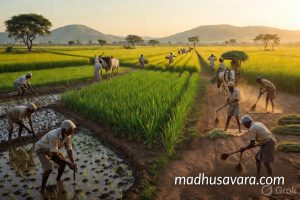
From sowing to harvesting – traditional Ragi cultivation in the Deccan plateau.
Ragi is a hardy, drought-resistant crop ideally suited for rainfed conditions. It is sown during the Kharif season (June-July). Farmers use two main methods: direct sowing (broadcasting or drilling seeds) and transplanting. In transplanting, seedlings are raised in nurseries for 3-4 weeks and then shifted to the main field, which helps in better weed control and higher yields.
Key practices include deep ploughing for moisture conservation, application of organic manure or recommended NPK fertilisers (e.g., 50:50:50 kg/ha in Karnataka), and intercropping with pulses like black gram or green gram in an 8:2 ratio for better productivity. The crop matures in 90-120 days and requires moderate rainfall (500-1000mm). Organic farming methods further enhance its nutrient density and market value.
Major Cultivation Areas in India
Karnataka is the leading producer of Ragi in India, contributing a major share of national output, with key districts including Chitradurga, Tumkur, Mandya, Hassan, and Bengaluru Rural. The Deccan plateau region, particularly around Chitradurga (including villages like Bombrahalli), is renowned for high-quality Ragi production. Other states such as Tamil Nadu, Maharashtra, Andhra Pradesh, and Odisha also cultivate Ragi, but Karnataka dominates due to the favourable climate and traditional expertise.
Harvesting
Harvesting occurs when the ears turn brown and the grains harden, usually 90-120 days after sowing. Plants are cut, dried thoroughly in the sun, and threshed. Proper drying is crucial to prevent mould and ensure long storage life.
Types of Land Required
Ragi thrives in well-drained loamy soils, red sandy soils, and even marginal or poor-fertility lands. It tolerates drought, salinity, and altitudes up to 2300m. It is ideal for dryland farming where other crops struggle, making it perfectly suited for regions like the Deccan plateau.
Role of Government in Ragi Development
The Government of India has actively promoted Ragi through the National Food Security Mission (NFSM) – Nutri Cereals, Millets Mission, and schemes under the International Year of Millets 2023. Initiatives include providing Minimum Support Price (MSP), subsidies for seeds and equipment, training on improved cultivation techniques, and financial support for value addition. In Karnataka, state programs focus on expanding the area under Ragi, promoting organic farming, and creating farmer-producer organisations. These efforts aim to enhance productivity, farmer incomes, and nutritional security.
Marketing and Export Potential of Ragi
Ragi has strong domestic marketing through government procurement and a growing demand for value-added products like flour, snacks, and ready-to-eat items. Export potential is promising due to its gluten-free nature, high nutrition, and global health trends. India is expanding millet exports to markets in the Middle East, the USA, Europe, and Asia. Government support via APEDA, branding campaigns, and quality certifications helps exporters. With proper processing and packaging, Ragi products hold excellent potential for premium international markets, contributing to foreign exchange and farmer prosperity.
Medicinal Uses
In Ayurveda and traditional medicine, Ragi is used for its cooling properties, to strengthen immunity, treat anaemia, and support lactation. Sprouted Ragi enhances the bioavailability of nutrients. It is often recommended for post-natal care and elderly nutrition.
How to Incorporate Ragi in Daily Diet (including Ragi Mudde and Ragi Roti)
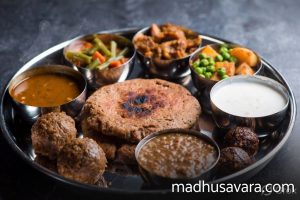
Wholesome Ragi feast – Mudde, Roti, and more for daily nutrition
Start your day with a warm bowl of Ragi porridge or try the traditional Ragi Mudde for a filling meal. For lunch or dinner, prepare wholesome Ragi Roti paired with dal and vegetables. You can also make Ragi laddus as a healthy snack. Combine with dals, vegetables, or buttermilk for balanced meals. Modern twists include Ragi smoothies, cookies, and idlis. Even if you are from regions like Punjab, where it is less common, you can easily introduce these simple Ragi recipes for their remarkable health benefits.
FAQs
1. Is Ragi good for weight loss? Yes, it’s high fibre promotes satiety and supports metabolism.
2. How does Ragi help with strong bones? It’s rich in calcium and minerals that build and maintain bone health naturally.
3. Can diabetics eat Ragi daily? Absolutely, in moderation as part of a balanced diet; its low GI helps manage blood sugar. Consult your doctor.
4. What are the side effects of Ragi? Generally safe; excess may cause digestive discomfort in some. Introduce gradually.
5. Where to buy good-quality Ragi? Look for organic sources from trusted farms or brands, especially from Karnataka regions like Chitradurga.
Conclusion and Call to Action
Ragi (Finger Millet) truly is the ultimate forgotten superfood for weight loss, strong bones, and diabetes management. By bringing it back to our tables, we honour our roots while investing in better health, sustainable farming, and economic growth. Start small – try one Ragi recipe like Ragi Mudde or Ragi Roti this week, no matter which part of India you are from. Visit madhusavara.com for more authentic recipes and wellness tips. Share this guide with family and friends to spread the goodness!
Strong Disclaimer: This article is for informational and educational purposes only. It is not a substitute for professional medical advice, diagnosis, or treatment. The information provided on Ragi benefits is based on general knowledge and traditional uses. Individual results may vary. Madhu Savara and madhusavara.com assume no liability of any sort for any direct, indirect, or consequential loss arising from the use of this content. Always consult a qualified healthcare practitioner or nutritionist before making significant dietary changes, especially if you have medical conditions like diabetes or bone disorders. No guarantees are made regarding specific health outcomes.
25 Forgotten Superfoods: Pahad Garlic, Lingri, Lasura, Bhangjeera, Kala Jeera & More – Rediscover Your Roots
Himalayan herbsBer Fruit Benefits, Rajgira
