
Author’s Note
Hello dear friends,
I am Madhu Savara, the founder of madhusavara.com. Though I belong to Punjab, my heart and many cherished family connections lie in the Himalayan traditions. I have always been passionate about food, nutrition, and blogging.
Some of my fondest childhood memories are of sitting beside my grandmother in her kitchen, listening to her fascinating stories while the aroma of traditional village foods filled the air. Among those treasured ingredients was Horse Gram Kulthi Superfood, a humble pulse that was valued not only as food but also as a natural health tonic.
Those memories continue to inspire my journey of sharing authentic food knowledge and traditional wisdom through Madhusavara.com.
People searching for kulthi dal benefits for weight loss, horse gram nutrition, horse gram sprouting benefits, and horse gram for kidney stones and cleanse often overlook this traditional Himalayan pulse. Horse Gram Kulthi Superfood offers a remarkable combination of nutrition, affordability, and culinary versatility.
What is Horse Gram Kulthi Superfood in One Minute?
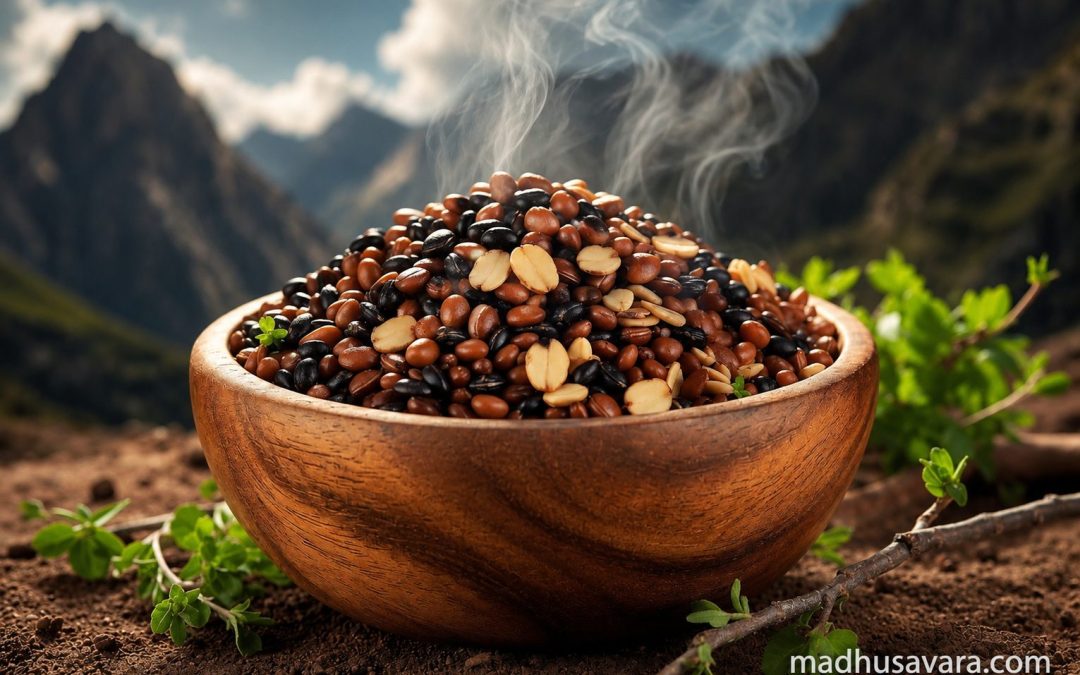
Horse Gram Kulthi Superfood (Macrotyloma uniflorum) is a protein-rich pulse widely grown in India and valued for its high protein, fibre, iron, and antioxidant content. Traditionally consumed in Himalayan and rural households, it is known for supporting weight management, digestion, kidney wellness, and sustained energy.
Table of Contents
- What is Horse Gram Kulthi Superfood?
- Origin and History
- Importance of Traditional Diets
- Scientific Name and Cultivation
- Role in Village Life
- Benefits of Consumption
- Horse Gram Sprouting Benefits
- Horse Gram Nutritional Analysis
- Scientific Research on Horse Gram
- Medicinal Properties
- Comparison with Other Dals
- Recipe Ideas
- Who Should Use Caution?
- 7-Day Kulthi Challenge
- Frequently Asked Questions
- Conclusion
- Disclaimer
What is Horse Gram Kulthi Superfood?
Horse Gram Kulthi Superfood (Macrotyloma uniflorum) is a protein-rich pulse widely consumed across India, especially in Himalayan and rural communities. Known for its exceptional nutritional profile, it is valued for supporting weight management, digestion, kidney health, and sustained energy.
This traditional pulse is now gaining recognition among modern nutritionists due to its high protein content, fibre, antioxidants, and mineral richness.
Origin and History
Horse Gram Kulthi Superfood has been cultivated in India for thousands of years. Ancient Ayurvedic texts describe it as a warming and therapeutic food.
It originated in South Asia and became especially important in Himalayan and semi-arid regions due to its remarkable ability to thrive under harsh climatic conditions and poor soils.
For generations, families depended on horse gram during difficult agricultural seasons because of its resilience and nutritional value.
Importance of Traditional Diets
In Himalayan villages and rural households, Horse Gram Kulthi Superfood was never viewed as an ordinary dal.
It was considered:
- A winter-strengthening food
- A natural immunity booster
- A warming dietary ingredient
- A trusted home remedy for various health concerns
Many households prepared kulthi dal regularly during winter because of its ability to provide warmth and long-lasting energy.
About Horse Gram
Scientific Name
Macrotyloma uniflorum
Common Names
- Horse Gram
- Kulthi
- Kulath Dal
- Hurali
- Kulith
Taste Profile
Horse Gram Kulthi Superfood possesses a mildly earthy, nutty, and robust flavour that works well in soups, dals, salads, and traditional recipes.
Scientific Name and Cultivation
Horse Gram Kulthi Superfood is cultivated extensively in Uttarakhand, Himachal Pradesh, Karnataka, Tamil Nadu, Andhra Pradesh, Maharashtra, and Chhattisgarh.
Why Farmers Prefer It
- Highly drought-resistant
- Requires minimal irrigation
- Thrives in poor soil
- Environmentally sustainable
- Low cultivation cost
These qualities make horse gram an important crop for climate-resilient agriculture.
Role in Village Life
In Himalayan communities, Horse Gram Kulthi Superfood plays a significant role in daily life. Women traditionally soaked horse gram overnight, sprouted it for improved nutrition, cooked it as dal and soups, and ground it into flour for breads and parathas.
It served as a reliable source of energy for farmers, labourers, and families living in remote mountain regions.
Why Horse Gram Is Called a Superfood
Horse Gram Kulthi Superfood is considered a superfood because it combines high protein, dietary fibre, iron, calcium, antioxidants, and plant compounds in a single affordable food. Unlike many imported superfoods, horse gram has been part of Indian food traditions for centuries while offering exceptional nutritional value.
Benefits of Consumption
| Health Concern | How Horse Gram Kulthi Superfood Helps |
|---|---|
| Belly Fat & Weight Loss | High protein and fibre increase satiety and reduce cravings |
| Kidney Health | Natural diuretic properties support a kidney cleanse |
| Diabetes Management | Low glycemic impact helps regulate blood sugar |
| Digestion | Fibre supports gut health |
| Immunity | Rich in antioxidants and minerals |
| Energy | Provides sustained energy release |
| Heart Health | May support healthy cholesterol levels |
| Bone Health | Rich source of calcium and minerals |
Kulthi Dal Benefits for Weight Loss
Among the most celebrated kulthi dal benefits for weight loss is its ability to keep you full for longer periods. High protein and fibre content may help reduce hunger cravings and support healthy weight management.
Horse Gram for Kidney Stones and Cleanse
Traditional Ayurvedic practitioners have long recommended horse gram for kidney stones and cleansing support. Its natural diuretic properties may help promote urine flow and support kidney wellness.
Horse Gram Sprouting Benefits
Sprouting significantly improves the nutritional value of Horse Gram Kulthi Superfood.
| Benefit | Raw Horse Gram | Sprouted Horse Gram |
|---|---|---|
| Digestibility | Moderate | Excellent |
| Iron Absorption | Lower | Higher |
| Calcium Absorption | Lower | Higher |
| B Vitamins | Normal | Increased |
| Antioxidants | Lower | Higher |
| Cooking Time | Longer | Shorter |
Major Horse Gram Sprouting Benefits
- Reduced anti-nutrients
- Better nutrient absorption
- Easier digestion
- Increased vitamin content
- Enhanced antioxidant activity
Horse Gram Nutritional Analysis (Per 100g Dry)
| Nutrient | Amount |
|---|---|
| Protein | 22–25g |
| Carbohydrates | 57g |
| Dietary Fibre | 5–8g |
| Calcium | 280–300mg |
| Iron | 6–7mg |
| Fat | 1–2g |
| Calories | 320–350 kcal |
Scientific Research on Horse Gram
Several scientific studies have highlighted the potential health benefits of Horse Gram Kulthi Superfood. Research suggests it contains polyphenols, flavonoids, antioxidants, and protein-rich compounds that may contribute to better blood sugar control, weight management, digestion, and cardiovascular wellness.
Medicinal Properties
According to Ayurveda, Horse Gram Kulthi Superfood possesses warming, diuretic, and astringent properties. Traditionally, it has been used to support obesity management, urinary health, digestive wellness, and Kapha balance.
Comparison with Other Popular Dals
| Dal Type | Protein | Fibre | Iron | Best For |
|---|---|---|---|---|
| Horse Gram Kulthi Superfood | 22–25g | 5–8g | 6–7mg | Weight loss, kidney health |
| Moong Dal | 24g | 7g | 6mg | Easy digestion |
| Chana Dal | 20g | 11g | 5mg | Protein boost |
| Urad Dal | 25g | 6g | 7mg | Strength and energy |
Recipe Idea:
- Traditional Kulthi Dal
- Horse Gram Paratha
- Sprouted Kulthi Salad
- Horse Gram Soup
- Kulthi Rasam
Detailed step-by-step recipes will be published separately on Madhusavara.com.
Who Should Use Caution?
While Horse Gram Kulthi Superfood is generally safe, people with severe acidity, digestive sensitivity, medically restricted diets, or special nutritional needs should consult a healthcare professional before regular consumption.
7-Day Horse Gram Kulthi Superfood Challenge
| Day | Breakfast | Dinner |
|---|---|---|
| 1 | Sprouted Kulthi Salad | Kulthi Dal |
| 2 | Kulthi Paratha | Horse Gram Soup |
| 3 | Sprouted Kulthi Bowl | Kulthi Rasam |
| 4 | Kulthi Khichdi | Salad |
| 5 | Paratha | Kulthi Dal |
| 6 | Sprouted Snack | Soup |
| 7 | Paratha + Curd | Kulthi Dal |
Frequently Asked Questions
What is Horse Gram Kulthi Superfood?
A nutrient-dense traditional pulse known for protein, fibre, and wellness benefits.
What are the main kulthi dal benefits for weight loss?
High protein and fibre promote fullness and reduce overeating.
What are the horse gram sprouting benefits?
Improved digestion, increased nutrient absorption, and enhanced antioxidant levels.
Is horse gram for diabetes beneficial?
Horse gram may support healthy blood sugar management when consumed as part of a balanced diet.
Can horse gram help kidney health?
Its traditional use and natural diuretic properties support kidney wellness.
Conclusion
Horse Gram Kulthi Superfood is one of India’s most valuable traditional foods. From kulthi dal benefits for weight loss to horse gram for kidney stones and cleansing, this humble pulse offers remarkable nutritional and culinary value.
Whether consumed as dal, soup, salad, or paratha, Horse Gram Kulthi Superfood deserves a place in every health-conscious kitchen.
About the Author
Madhu Savara is a food enthusiast, blogger, and founder of madhusavara.com. She is passionate about documenting traditional Himalayan foods, authentic recipes, village wisdom, and nutrition-focused culinary practices inspired by family traditions.
Preserving Traditional Nutrition
As modern lifestyles become increasingly dependent on processed foods, rediscovering traditional ingredients such as Horse Gram Kulthi Superfood can help preserve both health and culinary heritage. This humble pulse demonstrates that some of the most powerful superfoods have been part of our villages for generations.
Call to Action
If you found this guide helpful, please share it with friends and family. Explore more authentic food stories, recipes, and Himalayan superfood guides at madhusavara.com.
Disclaimer
The information provided in this article is intended for educational and informational purposes only. It should not be considered medical advice. Always consult a qualified healthcare professional before making significant dietary changes. Madhu Savara and Madhusavara.com assume no liability arising from the use of this information.
References
- National Institute of Nutrition (India)
- Indian Council of Agricultural Research (ICAR)
- National Centre for Biotechnology Information (NCBI
Note: Enjoyed this article? Discover more traditional recipes, superfood guides, and culinary stories by visiting my other blogs on Madhusavara.com.
2.red rice benefits, 3.Kafuli, Uttarakhand, 4. Toothbrush Tree, 5.Finger Millet
