Kolkata Biryani Recipe: A Timeless Classic from the City of Joy
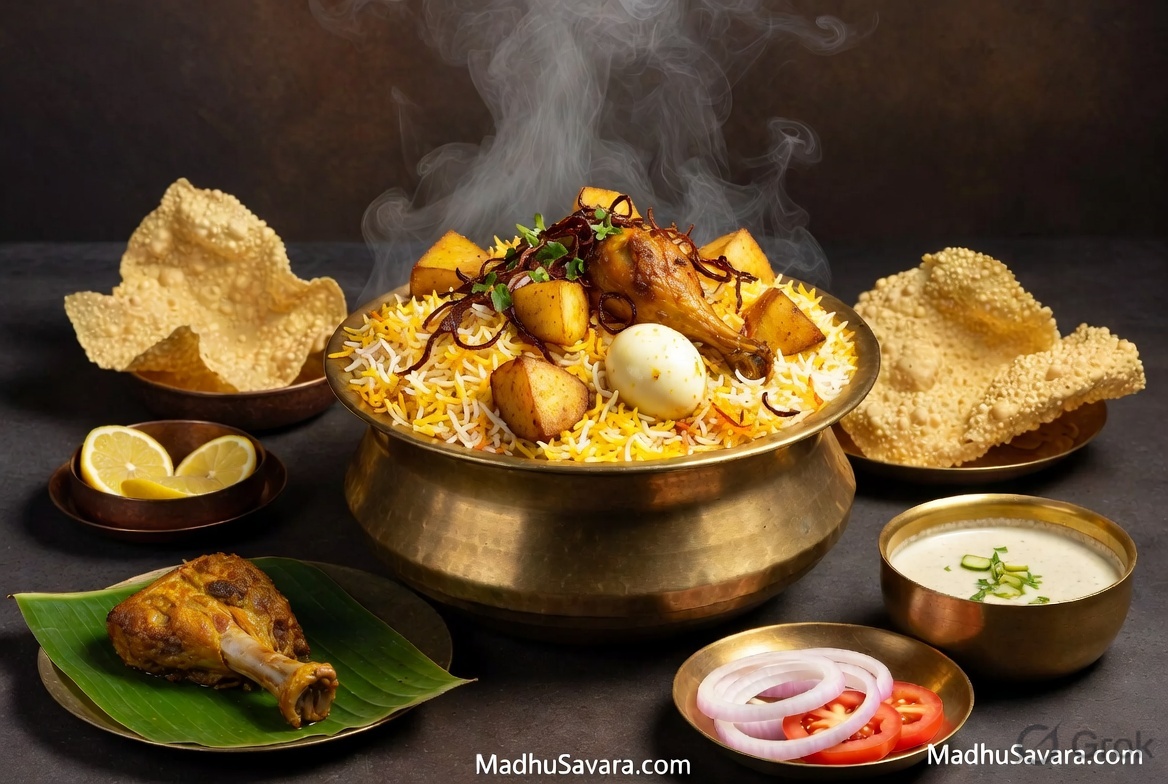
Steaming hot authentic Kolkata Biryani Recipe with chicken, potatoes, boiled eggs, saffron rice and fresh herbs in brass handi

Author’s Note

Hello dear readers, I am MadhuSavara, the proud owner and voice behind madhusavara.com. Cooking has been my lifelong passion, inherited from my grandmother’s kitchen, where the aroma of spices filled every corner. As Biryani Day approaches, I feel immense joy sharing this authentic Kolkata Biryani Recipe with you. This is not merely a list of steps; it is a heartfelt journey into the soul of Kolkata’s culinary heritage. Over years of refining this dish in my own kitchen, I have perfected the balance of flavours that makes this Kolkata Biryani truly special. Whether you are a beginner or an experienced cook, this recipe will help you create a restaurant-style or even better homemade version that your family will cherish.

Kolkata Biryani, often referred to as Calcutta Biryani or Kolkatta Biryani, is a beloved variation of the classic Indian dum biryani. Its history dates back to 1856 when Nawab Wajid Ali Shah of Awadh was exiled to Kolkata by the British. Along with him came his master chefs, who brought the refined Awadhi cooking techniques. However, facing high meat prices during the British Raj, they innovatively incorporated large chunks of locally grown potatoes to make the dish more economical and substantial. This addition of potatoes became the defining feature of authentic Kolkata Biryani, setting it apart from other regional versions.

Unlike the fiery and intense Hyderabadi Biryani or the delicately perfumed Lucknowi Biryani, Kolkata Biryani strikes a perfect, mild, aromatic balance with subtle sweetness from a hint of sugar and the fragrance of rose water and saffron. It represents Kolkata’s multicultural fabric – a harmonious blend of Mughal, Awadhi, and Bengali influences. Today, it remains a symbol of celebration, comfort, and togetherness in Bengali households and iconic eateries across the city.

Table of Contents

  1. Preparation Time, Cooking Time, Servings & Nutrition
  2. Comparison with Other Biryanis
  3. Ingredients for Authentic Kolkata Biryani
  4. Equipment Needed
  5. Step-by-Step Cooking Instructions for Kolkata Biryani Recipe
  6. Allergen Information
  7. Tips and Variations for Kolkata Biryani
  8. Things to Avoid
  9. Storage Guidelines
  10. Serving Suggestions
  11. Detailed FAQ
  12. Conclusion
  13. Author’s Bio
  14. Authentic References

Servings

4-6 person

Preparation Time:

45 minutes (excluding marination)

Cooking Time:

75 minutes

Calories

700

Ingredients

For Meat Marination:

  • 750 grams chicken (curry cut with bones) or mutton (goat meat, medium pieces with bones)
  • 1 cup (250 grams) thick curd/yoghurt (full-fat, preferably homemade)
  • 2 tablespoons ginger-garlic paste (freshly made)
  • 1 teaspoon red chilli powder (Kashmiri for colour, mild heat)
  • 1 teaspoon turmeric powder
  • 1 teaspoon garam masala powder (freshly ground)
  • 1.5 teaspoons salt (or to taste)
  • Juice of 1 large lemon
  • 2 tablespoons mustard oil (optional, for authentic Bengali touch)

For Rice:

  • 3 cups (600 grams) aged basmati rice (long-grain, preferably 2-3 years old)
  • 8-10 cups water for boiling
  • 2 bay leaves
  • 4-5 green cardamom pods
  • 1-inch cinnamon stick
  • 4-5 cloves
  • 1 teaspoon shahi jeera (caraway seeds)
  • 2 teaspoons salt

For Layering and Cooking:

  • 4-5 medium-sized potatoes (peeled and halved or quartered)
  • 4 large eggs (boiled and peeled)
  • 4-5 large onions (thinly sliced for birista)
  • ½ cup (120 ml) ghee + 2-3 tablespoons refined oil
  • 8-10 saffron strands soaked in ¼ cup warm milk
  • 2 tablespoons rose water or kewra water
  • 1 small bunch fresh mint leaves (finely chopped)
  • 1 small bunch fresh coriander leaves (finely chopped)
  • 1 teaspoon sugar (for subtle sweetness)
  • Additional ghee for drizzling (2 tablespoons)

Equipment Needed

  • Heavy-bottomed large handi or cast-iron pot with tight-fitting lid (essential for dum)
  • Large mixing bowls (2-3)
  • Fine mesh strainer or colander for draining rice
  • Wide frying pan or kadai for frying onions and potatoes
  • Slotted spoon and wooden spatula
  • Aluminium foil or wheat dough for sealing lid
  • Tawa/griddle for placing under handi during dum
  • Sharp knife, measuring cups, and spoons

Nutrition Information

Nutrient Amount per Serving % Daily Value (approx.)
Calories 700-800 kcal 35-40%
Protein 35-45 g 70-90%
Carbohydrates 70-85 g 25-30%
Fat 25-35 g 35-50%
Fibre 4-6 g 15-20%

Micro Nutrients: This traditional Kolkata Biryani is an excellent source of B-complex vitamins (from rice and meat), iron (from mutton/chicken), potassium (abundant in potatoes), and natural antioxidants from saffron, cardamom, and fresh herbs. It offers balanced, sustained energy suitable for active lifestyles while being deeply satisfying.

Comparison with Other Types of Biryani

Kolkata Biryani excels with its signature large potato chunks and boiled eggs, which absorb the rich gravy and add texture. Hyderabadi Biryani is known for its bold spices, green chillies, and kacchi/pakki styles with intense heat. Lucknowi Biryani emphasises subtle aromatics like kewra and saffron with minimal heat but no potatoes. This dum biryani Kolkata style is milder, more accessible, and uniquely filling, making it a favourite for family gatherings.

Step by Step Instructions

  1. Marinate the Meat (30 minutes active + 2-3 hours or overnight): In a large bowl, whisk the thick curd until smooth. Add ginger-garlic paste, red chilli powder, turmeric, garam masala, salt, lemon juice, and mustard oil. Mix well. Add the cleaned and washed chicken or mutton pieces. Coat every piece thoroughly. Cover and refrigerate. This step tenderises the meat and builds deep flavour.
  2. Prepare Birista and Accompaniments (20-25 minutes): Heat ghee and oil in a frying pan. Fry sliced onions in batches on medium-low flame until golden brown and crisp. Drain on paper towels. In the same pan, lightly fry the peeled and halved potatoes until golden on the edges (do not cook fully). Boil eggs for 10 minutes, peel, and keep aside. Soak saffron in warm milk.
  3. Parboil the Rice (15-20 minutes): Wash rice 3-4 times until water runs clear. Soak for 30 minutes. Bring a large pot of water to boil with salt and whole spices. Add drained rice and cook until 70-80% done (grains should still have a slight bite when pressed). Drain immediately and spread on a tray to cool slightly. Remove whole spices if desired.
  4. Cook the Meat Base (25-30 minutes): In the handi, heat remaining ghee. Add the marinated meat along with all the marinade. Cook on medium-high for 8-10 minutes, stirring occasionally. Reduce heat, cover, and simmer until meat is 80-90% tender and gravy thickens. Add the fried potatoes midway and mix gently so they absorb flavours. Adjust salt if needed. Turn off heat.
  5. Layer the Biryani (10 minutes): Over the meat-potato layer, spread half the parboiled rice evenly. Sprinkle half the fried onions (birista), chopped mint, coriander, half the saffron milk, rose water, and sugar. Drizzle some ghee. Repeat with the remaining rice and toppings. Place boiled eggs on top. Drizzle final ghee.
  6. Dum Cooking (25-35 minutes): Seal the lid tightly with foil or dough. Place the handi on a tawa over very low flame. Cook for 25-35 minutes (longer for mutton). Turn off heat and let it rest undisturbed for 15-20 minutes. This allows all flavours to meld perfectly, creating the signature fragrant, moist, authentic Kolkata Biryani.
  7. Serve: Gently fluff the rice from the sides with a fork. Transfer to a serving platter, ensuring meat, potatoes, and eggs are evenly distributed.

Tips and Variations

  • For richer flavour, use mutton and increase marination time to overnight.
  • Vegetarian Kolkata Biryani: Use paneer, mushrooms, and mixed vegetables with extra potatoes.
  • Festive touch: Add fried cashews and raisins in the layers.
  • Make it spicier by increasing chilli powder or adding green chillies in the marinade.
  • Use a pressure cooker for the meat base to save time, but finish with dum for authenticity.

Allergen Information

This recipe contains dairy (yoghurt and ghee) and eggs and may contain tree nuts if variations are added. It is naturally gluten-free when no wheat dough is used for sealing.

Other Essentials

Things to Avoid

  • Using fresh rice or over-boiling it, which leads to a mushy texture.
  • High flame during dum, causing burning at the bottom.
  • Insufficient marination or poor quality spices, which dull the authentic taste.
  • Stirring vigorously after layering, which breaks the rice grains.

Storage Guidelines

Allow the biryani to cool completely. Store in airtight containers in the refrigerator for up to 2 days. For longer storage, freeze in portioned containers for up to 1 month. To reheat, thaw overnight if frozen, sprinkle a little water or milk, cover, and steam on low heat or microwave in short bursts.

Serving Suggestions

Serve hot Kolkata Biryani with refreshing cucumber-onion raita, tangy lemon wedges, green chutney, and papad. It pairs wonderfully with Bengali mutton chaap or simple salad for a complete festive meal on Biryani Day.

Detailed FAQ

Q1: What is the key difference between Kolkata Biryani and other biryanis? A: The generous use of potatoes and boiled eggs, milder spice level, and Awadhi dum technique adapted with Bengali elements make it unique and more filling.

Q2: Can I prepare the full Kolkata Biryani Recipe in advance? A: Yes. Marinate meat a day ahead and parboil rice just before layering. Complete dum on the day of serving for best results.

Q3: How do I ensure the rice does not become soggy? A: Parboil only till 70-80% and spread on a tray. Use aged basmati and avoid stirring too much after layering.

Q4: Is this recipe suitable for beginners? A: Absolutely. The detailed steps guide you through each stage for perfect results even on your first attempt.

Q5: Can I make it less calorie-dense? A: Use less ghee, chicken instead of mutton, and brown rice partially for a healthier version while retaining flavour.

Q6: Why add sugar in Kolkata Biryani? A: A small amount balances flavours and is traditional in this mild Calcutta Biryani style.

Conclusion

This meticulously crafted authentic Kolkata Biryani Recipe captures the true essence of the City of Joy. With tender meat, flavour-soaked potatoes, fragrant rice, and perfect dum, it surpasses many restaurant versions. Prepare it with love on Biryani Day and create lasting memories around the dining table.

Author’s Bio

MadhuSavara is a dedicated home chef, passionate food blogger, and the founder-owner of madhusavara.com. With decades of experience rooted in Bengali and pan-Indian culinary traditions, she specialises in preserving authentic recipes while making them accessible for modern kitchens. Her approach combines storytelling, practical tips, and a deep respect for cultural heritage, inspiring thousands of readers to cook with confidence and joy.

Authentic References

  1. Turmeric Indian Restaurant. “The History of Biryani: A Dish Loved by All.” December 2024. https://www.turmericindianrestaurant.com/post/the-history-of-biryani-a-dish-loved-by-all.
  2. Wikipedia contributors. “Biryani.” Wikipedia, The Free Encyclopedia. Section on Kolkata biryani and potato addition. https://en.wikipedia.org/wiki/Biryani.
  3. “Evolution and Popularisation of Calcutta Biryani Through Different Outlets.” Academic-style document detailing origins from Wajid Ali Shah’s exile in 1856. Scribd. https://www.scribd.com/document/453982168/Evolution-and-Popularization-of-Calcutta-Biryani-Through-Different-Outlets-docx.
  4. Additional scholarly context from food anthropology sources on Mughal-Awadhi influence in eastern India, available via academic databases such as JSTOR under keywords “South Asian culinary history” and “regional biryani adaptations.”

Enjoy this superior homemade Kolkata Biryani! Share your experience and photos on madhusavara.com. Happy Biryani Day!

Disclaimer

Important Notice: Read Before Proceeding

The recipes, preparation methods, nutritional details, and related content published on Madhu Savara’s website, social media, and associated platforms are intended solely for general informational and educational purposes. While every effort has been made to ensure accuracy and reliability, we make no guarantees regarding the results, safety, or accuracy of any recipe presented here.

We are not licensed nutritionists, dieticians, or medical professionals. The nutritional values provided are estimates only, calculated using third-party tools, and should not be used for medical diagnosis, dietary treatment, or allergy management. If you have any medical conditions, dietary restrictions, or food allergies, please consult your doctor or certified dietitian before attempting any recipe.

Cooking inherently involves sharp tools, high heat, and the risk of injury or fire. You assume full responsibility for your kitchen practices. Madhu Savara, the website, and all contributors shall not be held liable for any damage, injury, loss, or adverse outcome resulting directly or indirectly from the preparation, consumption, or interpretation of any content herein.

By using this website and attempting any recipe, you agree to hold harmless and indemnify Madhu Savara and her team from any liability, legal claim, or damages arising from the use of this content. You are encouraged to exercise independent judgment and take full responsibility for your health, kitchen safety, and actions.


Steaming hot authentic Kolkata Biryani Recipe with chicken, potatoes, boiled eggs, saffron rice and fresh herbs in brass handi
Print

Kolkata Biryani Recipe: A Timeless Classic from the City of Joy

Kolkata Biryani, often referred to as Calcutta Biryani or Kolkatta Biryani, is a beloved variation of the classic Indian dum biryani. Its history dates back to 1856 when Nawab Wajid Ali Shah of Awadh was exiled to Kolkata by the British. Along with him came his master chefs who brought the refined Awadhi cooking techniques. However, facing high meat prices during the British Raj, they innovatively incorporated large chunks of locally grown potatoes to make the dish more economical and substantial. This addition of potatoes became the defining feature of authentic Kolkata Biryani, setting it apart from other regional versions.
Course Main Course
Cuisine Indian, Kolkata
Keyword authentic Kolkata Biryani, Bengali Biryani, Calcutta Biryani, chicken Kolkata Biryani, dum biryani Kolkata style, easy Kolkata Biryani, Kolkata Biryani, Kolkata Biryani Recipe, Kolkatta Biryani, mutton Kolkata Biryani, potato biryani, traditional Kolkata Biryani
Prep Time 45 minutes
Cook Time 1 hour 15 minutes
Marination Time 2 hours
Total Time 4 hours
Servings 6 People
Calories 750kcal
Author Madhu Savara
Cost NA

Equipment

  • Heavy-bottomed large handi or cast-iron pot with tight-fitting lid (essential for dum)Large mixing bowls (2-3)Fine mesh strainer or colander for draining riceWide frying pan or kadai for frying onions and potatoesSlotted spoon and wooden spatulaAluminium foil or wheat dough for sealing lidTawa/griddle for placing under handi during dumSharp knife, measuring cups, and spoons

Ingredients

  • For Meat Marination:
  • 750 grams chicken curry cut with bones or mutton (goat meat, medium pieces with bones)
  • 1 cup 250 grams thick curd/yoghurt (full-fat, preferably homemade)
  • 2 tablespoons ginger-garlic paste freshly made
  • 1 teaspoon red chilli powder Kashmiri for colour, mild heat
  • 1 teaspoon turmeric powder
  • 1 teaspoon garam masala powder freshly ground
  • 1.5 teaspoons salt or to taste
  • Juice of 1 large lemon
  • 2 tablespoons mustard oil optional, for authentic Bengali touch
  • For Rice:
  • 3 cups 600 grams aged basmati rice (long-grain, preferably 2-3 years old)
  • 8-10 cups water for boiling
  • 2 bay leaves
  • 4-5 green cardamom pods
  • 1- inch cinnamon stick
  • 4-5 cloves
  • 1 teaspoon shahi jeera caraway seeds
  • 2 teaspoons salt
  • For Layering and Cooking:
  • 4-5 medium-sized potatoes peeled and halved or quartered
  • 4 large eggs boiled and peeled
  • 4-5 large onions thinly sliced for birista
  • ½ cup 120 ml ghee + 2-3 tablespoons refined oil
  • 8-10 saffron strands soaked in ¼ cup warm milk
  • 2 tablespoons rose water or kewra water
  • 1 small bunch fresh mint leaves finely chopped
  • 1 small bunch fresh coriander leaves finely chopped
  • 1 teaspoon sugar for subtle sweetness
  • Additional ghee for drizzling 2 tablespoons

Instructions

  • Marinate the Meat (30 minutes active + 2-3 hours or overnight): In a large bowl, whisk the thick curd until smooth. Add ginger-garlic paste, red chilli powder, turmeric, garam masala, salt, lemon juice, and mustard oil. Mix well. Add the cleaned and washed chicken or mutton pieces. Coat every piece thoroughly. Cover and refrigerate. This step tenderises the meat and builds deep flavour.
  • Prepare Birista and Accompaniments (20-25 minutes): Heat ghee and oil in a frying pan. Fry sliced onions in batches on medium-low flame until golden brown and crisp. Drain on paper towels. In the same pan, lightly fry the peeled and halved potatoes until golden on the edges (do not cook fully). Boil eggs for 10 minutes, peel, and keep aside. Soak saffron in warm milk.
  • Parboil the Rice (15-20 minutes): Wash rice 3-4 times until water runs clear. Soak for 30 minutes. Bring a large pot of water to boil with salt and whole spices. Add drained rice and cook until 70-80% done (grains should still have a slight bite when pressed). Drain immediately and spread on a tray to cool slightly. Remove whole spices if desired.
  • Cook the Meat Base (25-30 minutes): In the handi, heat remaining ghee. Add the marinated meat along with all the marinade. Cook on medium-high for 8-10 minutes, stirring occasionally. Reduce heat, cover, and simmer until meat is 80-90% tender and gravy thickens. Add the fried potatoes midway and mix gently so they absorb flavours. Adjust salt if needed. Turn off heat.
  • Layer the Biryani (10 minutes): Over the meat-potato layer, spread half the parboiled rice evenly. Sprinkle half the fried onions (birista), chopped mint, coriander, half the saffron milk, rose water, and sugar. Drizzle some ghee. Repeat with the remaining rice and toppings. Place boiled eggs on top. Drizzle final ghee.
  • Dum Cooking (25-35 minutes): Seal the lid tightly with foil or dough. Place the handi on a tawa over very low flame. Cook for 25-35 minutes (longer for mutton). Turn off heat and let it rest undisturbed for 15-20 minutes. This allows all flavours to meld perfectly, creating the signature fragrant, moist authentic Kolkata Biryani.
  • Serve: Gently fluff the rice from the sides with a fork. Transfer to a serving platter, ensuring meat, potatoes, and eggs are evenly distributed.

Notes

Tips and Variations for Kolkata Biryani

  • For richer flavour, use mutton and increase marination time to overnight.
  • Vegetarian Kolkata Biryani: Use paneer, mushrooms, and mixed vegetables with extra potatoes.
  • Festive touch: Add fried cashews and raisins in the layers.
  • Make it spicier by increasing chilli powder or adding green chillies in marinade.
  • Use a pressure cooker for the meat base to save time, but finish with dum for authenticity.

Things to Avoid

  • Using fresh rice or over-boiling it, which leads to mushy texture.
  • High flame during dum, causing burning at the bottom.
  • Insufficient marination or poor quality spices, which dull the authentic taste.
  • Stirring vigorously after layering, which breaks the rice grains.

Storage Guidelines

Allow the biryani to cool completely. Store in airtight containers in the refrigerator for up to 2 days. For longer storage, freeze in portioned containers for up to 1 month. To reheat, thaw overnight if frozen, sprinkle a little water or milk, cover, and steam on low heat or microwave in short bursts.

Serving Suggestions

Serve hot Kolkata Biryani with refreshing cucumber-onion raita, tangy lemon wedges, green chutney, and papad. It pairs wonderfully with Bengali mutton chaap or simple salad for a complete festive meal on Biryani Day.