
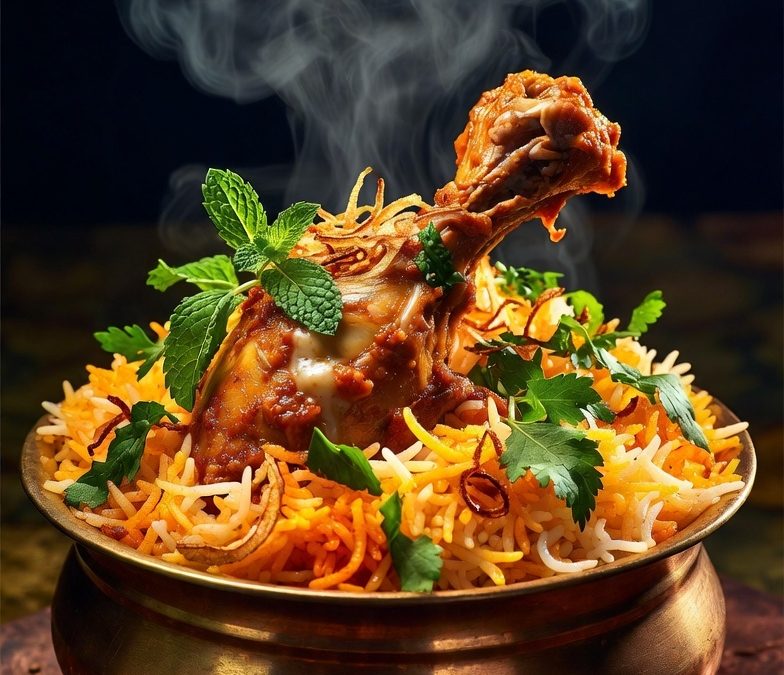
World Biryani Day is finally here!
World Biryani Day: Celebrating India’s Favourite Rice Dish
Biryani has always had a special place in my kitchen and on my family’s dining table. Through madhusavara.com, I share the traditional recipes I prepare at home, including a collection of authentic biryani recipes that represent the diverse flavours of Indian cuisine.
On the occasion of World Biryani Day, celebrated every year on the first Sunday of July, I wanted to bring together some of India’s most loved Indian biryani recipes in one place. From the rich and spicy Hyderabadi Dum Biryani and the delicate Lucknowi Biryani to regional favourites, vegetarian biryanis and traditional meat-based biryani recipes, every variety has its own taste, method and connection with the place where it originated.
A good biryani is not only about rice and spices. It is about the balance between fragrant basmati rice, carefully prepared masala, fresh herbs and the slow dum cooking process. When cooked patiently, each grain of rice absorbs the aroma and flavour of the ingredients, creating the distinctive taste that makes biryani loved across generations.
What is Biryani?
Biryani is a traditional Indian rice dish prepared with aged basmati rice, whole spices, fresh herbs, fried onions and a flavourful masala made with vegetables, chicken, mutton, fish or other ingredients. The rice and masala are layered carefully and cooked on dum in a sealed pot, allowing the flavours to blend beautifully.
Across India, traditional biryani recipes have developed their own unique identity based on local ingredients, cooking styles and regional preferences. From Kashmir to Kerala and Lucknow to Hyderabad, every biryani tells a different story, making it one of India’s most loved rice dishes.
Key elements for perfect biryani on World Biryani Day:
- Aged basmati rice
- Fresh whole spices like cardamom, cloves, cinnamon and bay leaves
- Thick yoghurt-based marinade
- Golden-fried onions
- Fresh mint, coriander and saffron milk
Origin of Biryani: The origins of biryani are generally traced to Persian culinary traditions that were introduced to the Indian subcontinent over several centuries. The dish evolved significantly under the influence of the Delhi Sultanate and the Mughal Empire, where local ingredients, regional spices, and indigenous cooking techniques blended with Persian methods. Over time, biryani developed into numerous regional varieties, including the famous Hyderabadi, Lucknowi, Kolkata, and Malabar biryanis enjoyed today.
.
Significance of Biryani in Indian Culture. World Biryani Day celebrates how biryani symbolises festivity, hospitality and unity. It is a special dish prepared during weddings, Eid, family gatherings and happy occasions. Making veg biryani or non-veg biryani becomes a beautiful shared family activity.
Types of Biryani: Veg and Non-Veg Varieties. India is home to many authentic biryani recipes. Some of the most popular ones include:
Comparative Guide to Popular Biryanis
| Biryani Style | Signature Rice | Key Spice / Difference | Protein | Spice Level | Best Served With |
|---|---|---|---|---|---|
| Hyderabadi | Basmati | Strong saffron aroma, kewra water, mint | Mutton / Chicken / Veg | Medium-High | Raita, Mirchi ka Salan, boiled egg |
| Lucknowi (Awadhi) | Basmati | Mild, fragrant, rose water, slow-cooked | Mutton / Chicken | Mild-Medium | Raita, korma, fresh salad |
| Malabar | Jeerakasala / Kaima | Coconut milk, fried coconut, curry leaves | Chicken / Mutton / Fish | Medium | Coconut chutney, pickle, papadam |
| Kolkata | Basmati | Potatoes, mild spices, boiled egg | Chicken / Mutton | Mild | Raita, mutton chaap |
| Ambur | Seeraga Samba | Short grain, spicy, coconut + chilli paste | Chicken | High | Onion raita, brinjal chutney |
| Dindigul | Seeraga Samba | Tangy, black pepper, coconut + chilli base | Chicken / Mutton | High | Raita, lemon wedges, salna |
Popular Non-Veg Biryani Varieties
- Hyderabadi Biryani: Bold, spicy and famous for its kacchi dum style.
- Lucknowi Biryani: Delicate, fragrant and subtly spiced.
- Malabar Biryani: Creamy with coconut milk.
- Kolkata Biryani: Unique with potatoes added to the meat.
- Ambur Biryani.
- Dindigal Biryani.
- Donne Biryani
- Sindhi Biryani
- Bhatkali Biryani.
- Bombay Biryani
- Memoni Biryani
- Kalyani Biryani
- Arcot Biryani
- Chettinad Chicken Biryani
- Beary Biryani
- Bohri Biryani
- Kashmiri Biryani
- Prawn Biryani
- Fish Biryani
- Egg Dum Biryani
Veg Biryani Varieties: Veg biryani prepared with mixed vegetables and paneer is equally delicious when properly layered and spiced. It is a favourite choice for many families during World Biryani Day.
Pro Tips from My Kitchen:
- Always soak seeraga samba or basmati rice for 20–30 minutes before cooking for best texture.
- For authentic dum, seal the pot with wheat flour dough or use a tight lid with a heavy weight on top.
- Layering is key — alternate rice and meat evenly and finish with saffron milk, ghee, fried onions, and mint.
- Let the biryani rest for 10–15 minutes after dum before opening the lid — this helps flavours to settle.
Easy Variations:
- Mild version: Reduce green chillies and black pepper. Add more saffron and rose water.
- Spicy version: Increase red chilli paste or use more black pepper (best for Ambur & Dindigul styles).
- Vegetarian twist: Replace meat with soya chunks, paneer, or mixed vegetables + mushrooms.
- Healthier option: Use brown rice or millets (especially good with Malabar-style coconut base).
Storage Tip: Leftover biryani tastes even better the next day. Store in an airtight container in the refrigerator and reheat gently with a little water or milk.
Recommendation: Place this box after the comparison table and Madhu’s Personal Recommendations section.
Easy Hyderabadi Chicken Biryani Recipe (Step-by-Step)
Preparation Time: 40 minutes (plus 2 hours marination) Cooking Time: 45-50 minutes Servings: 4-5 persons Approximate Calories: 650-720 kcal per serving (depending on ghee quantity)
Ingredients:
- 500g chicken pieces
- 2 cups aged basmati rice
- 1 cup thick curd
- 3 large onions (thinly sliced & fried golden)
- 2 tbsp ginger-garlic paste
- Whole spices (4 green cardamom, 6 cloves, 2 cinnamon sticks, 2 bay leaves, 1 tsp shahi jeera)
- 1 tsp red chilli powder, 1 tsp turmeric powder, 2 tsp biryani masala
- ½ cup fresh mint leaves + ½ cup fresh coriander leaves
- Saffron strands soaked in ¼ cup warm milk
- 4-5 tbsp ghee + oil for frying onions
- Salt to taste
Method:
- Marinate chicken with curd, ginger-garlic paste, all spices, salt, half-fried onions, mint and coriander. Mix well and keep aside for at least 2 hours (overnight is best).
- Soak basmati rice for 30 minutes. Boil rice with some whole spices and salt till 70% cooked. Drain and set aside.
- In a heavy-bottomed handi or pot, spread the marinated chicken evenly at the bottom.
- Layer half the partially cooked rice over the chicken. Sprinkle some fried onions, mint, coriander and 2 tbsp ghee.
- Add the remaining rice as the top layer. Pour saffron milk, remaining ghee and fried onions on top.
- Cover the pot with aluminium foil and a tight lid. Place on high flame for 5 minutes, then reduce to the lowest flame for dum cooking for 25-30 minutes.
- Turn off the heat and let it rest for 10-15 minutes. Open and gently fluff the biryani before serving.
Detailed Tips for Perfect Biryani
- Always use aged basmati rice for the best texture and fragrance.
- Fry onions slowly over medium heat until deep golden – this is the most important step for authentic taste.
- Do not overcook rice during boiling – 70% is ideal, so it finishes cooking during dum.
- For more flavour, add 1-2 slit green chillies in the marinade.
- If you want a milder version, reduce red chilli powder and add more saffron.
- For veg biryani, replace chicken with mixed vegetables and paneer. Lightly sauté vegetables before marinating.
- Never stir the biryani vigorously after cooking – use a fork or flat spoon to mix gently from the sides.
- Serve hot with onion raita, mirchi ka salan, boiled eggs and papad for a complete restaurant-style experience.
Frequently Asked Questions About World Biryani Day and Authentic Biryani Recipes
What is World Biryani Day?
World Biryani Day is celebrated on the first Sunday of July every year to honour one of the world’s most beloved rice dishes. The day celebrates the rich history, cultural significance, regional diversity, and culinary traditions associated with biryani. Food lovers mark the occasion by preparing and enjoying their favourite biryani varieties with family and friends.
Which biryani is most famous in India?
Hyderabadi Biryani is widely regarded as the most famous biryani in India. Known for its bold spices, fragrant basmati rice, and traditional dum cooking method, it has gained popularity across the country and internationally. Other popular varieties include Lucknowi Biryani, Kolkata Biryani, Malabar Biryani, Ambur Biryani, and Dindigul Biryani.
What is the difference between Hyderabadi and Lucknowi biryani?
The primary difference lies in their cooking style and flavour profile. Hyderabadi Biryani is generally spicier and is often prepared using the kacchi dum method, where raw marinated meat is layered with partially cooked rice and cooked together. Lucknowi Biryani, also known as Awadhi Biryani, is milder, more aromatic, and typically prepared using the pakki method, where the meat is cooked separately before being layered with rice.
Which rice is best for biryani?
Aged long-grain basmati rice is considered the best choice for authentic biryani. It cooks into separate, fluffy grains and absorbs flavours beautifully during dum cooking. Premium aged basmati rice also provides the characteristic aroma that makes biryani special.
Can veg biryani be authentic?
Yes, veg biryani can be completely authentic when prepared using traditional layering techniques, fragrant spices, fresh herbs, saffron, and properly cooked rice. While meat-based biryanis are popular in many regions, vegetable biryani has long been enjoyed across India and remains a favourite among vegetarian families.
What is dum cooking?
Dum cooking is a traditional slow-cooking technique in which the biryani pot is tightly sealed and cooked over low heat. The trapped steam circulates within the pot, allowing the rice, spices, herbs, and other ingredients to blend perfectly. This method creates the distinctive flavour and aroma associated with authentic biryani.
How long should biryani rest after cooking?
Biryani should ideally rest for 10 to 15 minutes after the cooking process is complete. This resting period allows the flavours to settle and helps the rice grains remain intact when the biryani is gently mixed before serving.
Can biryani be frozen?
Yes, biryani can be frozen for later use. Allow it to cool completely before transferring it to airtight containers. Properly stored biryani can remain frozen for up to one month. For best results, thaw it in the refrigerator and reheat gently before serving.
All Essential Points About Biryani for World Biryani Day
- Always use the dum method for true flavour.
- Fry onions till perfectly golden – this is the soul of biryani.
- Soak rice properly before cooking.
- Serve with raita, salan, boiled eggs and papad.
- Lighter versions with more vegetables also taste excellent.
This World Biryani Day, try one of these authentic biryani recipes at home. Visit madhusavara.com for more detailed recipes and meal plans. Subscribe for weekly inspiration and share your creations with #WorldBiryaniDay and #MadhuSavaraKitchen.
Conclusion: World Biryani Day brings joy through the dish that unites everyone. Whether you cook Hyderabadi biryani, Lucknowi biryani, veg biryani, or non-veg biryani, it always fills the table with happiness and tradition. Happy World Biryani Day and happy cooking!
Authentic References
- Collingham, Lizzie. Curry: A Tale of Cooks and Conquerors.
- Wikipedia contributors. “Biryani.”
- BBC News article on biriyani journey.
- Daawat World Biryani Day sources.
Disclaimer:
This article is for informational and celebratory purposes only, based on traditional knowledge and authentic regional recipes. All recipes are shared in good faith. Results may vary according to personal taste, ingredients, and cooking methods. Madhusavara.com assumes no liability for any outcomes arising from the use of these recipes.
Author’s Bio: Madhu Savara is a dedicated homemaker and culinary storyteller from Chandigarh. Through madhusavara.com, she shares authentic Indian recipes and heritage with love.
