
Author’s Note
Namaste, dear readers!
I am Madhu Savara, passionate about preserving and sharing the authentic culinary heritage of the Himalayas through madhusavara.com. Growing up with the aromas of slow-cooked madra and the joy of community feasts, Himachali Dhams have always held a special place in my heart. This blog is my humble attempt to introduce you to the beautiful diversity of Himachali Dhams. Separate detailed blogs on each regional Dham with authentic recipes will be published soon.
Preface
Imagine waking up to the crisp mountain air in a Himachali village. The sun is just rising over the snow-capped peaks, and the entire community has gathered for a grand celebration. In the courtyard, hereditary cooks known as Botis are busy tending to large brass pots bubbling over wood fires. The rich aroma of ghee, yoghurt, and aromatic spices fills the air, promising a feast that nourishes both body and soul. This is the timeless magic of Himachali Dhams – not just a meal, but a sacred tradition that has been bringing families and communities together for generations. These elaborate sattvik vegetarian feasts reflect the incredible diversity of Himachal Pradesh, from the hugely popular Kangri Dham to the distinctive Chambyali Dham. Each variation carries the unique essence of its region’s produce, culture, and warm hospitality.
Table of Contents
- What is Himachali Dham?
- Why are Himachali Dhams Considered Sacred and Important?
- When Do People Arrange Himachali Dhams?
- Traditional Utensils Used in Himachali Dhams
- Major Types of Himachali Dhams: Kangri to Chambyali and Beyond
- Common Elements and Regional Differences
- Detailed FAQs on Himachali Dhams
- Conclusion
- Disclaimer
What is Himachali Dham?
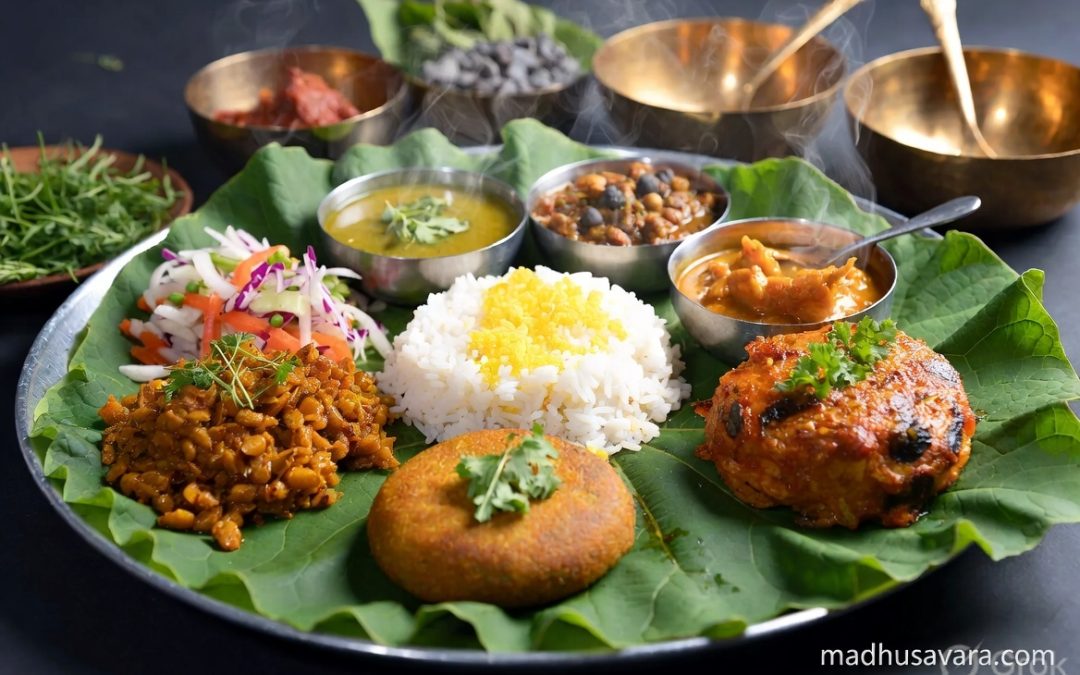
Himachali Dhams refer to the traditional, elaborate midday vegetarian feasts of Himachal Pradesh. Prepared by hereditary Brahmin cooks known as Botis, these feasts use simple, local ingredients like lentils, yoghurt, ghee, and spices. No onion or garlic is used, keeping the food purely sattvik.
The meal is slow-cooked and served in courses. Rice forms the base, accompanied by various dals, madras (yoghurt-based curries), khattas (sweet-sour preparations), and sweets. This style of cooking and serving highlights sustainability and respect for nature.
Why are Himachali Dhams Considered Sacred and Important?
Himachali Dhams are much more than food – they are a sacred culinary tradition deeply rooted in Himachali culture and spirituality. Originally associated with temple feasts and religious rituals, Dhams embody purity, devotion, and communal harmony. The sattvik nature aligns with Hindu principles of cleanliness and spiritual well-being. Many believe that partaking in Dham during auspicious occasions brings blessings and strengthens community ties.
Nutritionally balanced and often guided by Ayurvedic principles, these feasts promote good digestion and overall health. Culturally, they preserve generational knowledge passed down through Botis and support local economies by using seasonal ingredients. In today’s fast-paced world, Himachali Dhams remind us to slow down, savour simple flavours, stay connected to our roots, and honour sacred traditions.
When Do People Arrange Himachali Dhams?
People arrange Himachali Dhams on all important and auspicious occasions. Traditionally part of temple rituals, today they are central to:
- Weddings and marriage ceremonies
- Religious functions and festivals
- Family celebrations like birthdays, housewarmings, and retirement parties
- Other social and community gatherings
Dham is typically served as a midday meal, bringing people together in joy and gratitude.
Traditional Utensils Used in Himachali Dhams
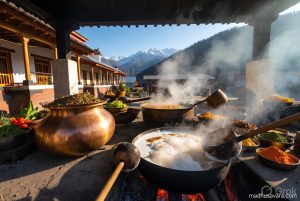
The magic of Himachali Dhams is incomplete without traditional brass utensils. Botis cook the entire feast in large brass pots called Charoti, Baltoi, or Batloi. These vessels are believed to enhance the flavour of the food, retain heat effectively, and impart a subtle purity to the meal. Cooking is traditionally done over a wood fire, which gives a unique smoky aroma. The food is served on eco-friendly leaf plates (pattal or pattlu), encouraging guests to sit on the floor and enjoy the meal together. These utensils and methods connect the present generation to centuries-old traditions.
Major Types of Himachali Dhams: Kangri to Chambyali and Beyond
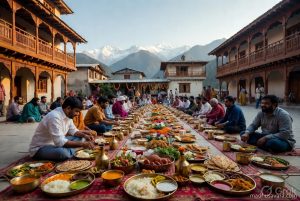
Himachal’s diverse geography gives rise to distinct variations of Himachali Dhams. Here is a detailed overview:
Kangri Dham (Kangra, Hamirpur, Una): Widely regarded as one of the most popular and flavourful Himachali Dhams, Kangri Dham is known for its balanced taste and aromatic mustard oil base. Signature dishes include Teliya Mah (black lentil dal generously tempered with ghee), Chana Madra (chickpeas cooked in yoghurt gravy), Kaale Chane ka Khatta (sweet and sour black chickpeas), Meetha Bhaat, and often Rajma Madra or Palda. It features the unique dhuni technique for a smoky flavour that many consider the hallmark of Kangri style.
Mandyali / Mandiyali Dham (Mandi): This variation stands out for its unique serving order, sometimes following Ayurvedic principles with sweeter elements served earlier. The star dish is Sepu Vadi (steamed black gram dumplings in rich gravy). Other highlights include Dhuli Urad ki Dal, Kaddu ka Khatta, and distinct creamy madras that offer a comforting texture unique to Mandi.
Chambyali Dham (Chamba). Believed to be among the origins of the tradition, Chambyali Dham is richer in ghee and features excellent Rajma Madra. It also includes Chana Madra, various khattas, and sometimes Gucchi Madra (morel mushrooms when in season). The generous use of pahadi ghee and aromatic whole spices gives it a luxurious, indulgent taste.
Kullvi Dham (Kullu): Influenced by the Valley of Gods, Kullvi Dham prominently features Siddu (fermented stuffed steamed bread served with ghee and chutney). It includes local produce influences, multiple madras, Telia Maash, and Meetha Chawal. The serving style reflects the unique cultural practices of the Kullu Valley.
Other notable mentions include Bilaspuri, Shimla, and Kinnauri variations, each adding subtle regional touches based on available ingredients and local customs.
Detailed step-by-step recipes, cooking methods, and home adaptations for each will be covered in separate dedicated blogs coming soon on madhusavara.com.
Common Elements and Regional Differences in Himachali Dhams
Across all Himachali Dhams, rice, madra, dal, khatta, and sweets remain core elements. Differences arise in the cooking medium, serving sequence, and signature preparations. These variations make exploring Himachali Dhams a delightful and educational journey through the hills.
Detailed FAQs on Himachali Dhams
Q1: Is Himachali Dham completely vegetarian? Yes, traditional Himachali Dhams are purely vegetarian and sattvik.
Q2: Who prepares Himachali Dhams? Hereditary Brahmin cooks called Botis prepare them.
Q3: What makes Himachali Dham sacred? Its deep association with religious ceremonies, sattvik purity, temple traditions, and role in invoking blessings.
Q4: Can I make Himachali Dhams at home? Yes, with quality ingredients and patience. Watch for our upcoming detailed recipe posts.
Q5: Where can I experience authentic Himachali Dhams? At local weddings, festivals, or reputed places in Kangra, Mandi, Chamba, and Kullu.
Conclusion
Himachali Dhams are a beautiful expression of Himachal’s soul – sacred, wholesome, and deeply satisfying. Whether you try Kangri Dham’s comforting flavours or Chambyali’s rich madras, each bite connects you to centuries of tradition and Himalayan hospitality. Stay tuned for separate in-depth blogs on each regional Dham with authentic recipes, tips, and home adaptations right here on madhusavara.com.
Call to Action
If you loved reading about Himachali Dhams, explore my other blogs on authentic Himachali foods like Siddu recipes, Madra variations, and Himalayan ingredients. Subscribe to madhusavara.com for more heritage recipes. Share your favourite regional Dham or personal experience in the comments below – I would love to hear from you!
Strong Disclaimer
All information shared in this article on Himachali Dhams is based on traditional knowledge, personal research, and publicly available sources. Recipes, practices, and rituals may vary by family and region. This blog is for educational and cultural appreciation purposes only. Madhusavara.com does not claim any ownership over traditional recipes. Always consult local experts or experienced Botis for authentic preparation. We deeply respect the intellectual and cultural heritage of Himachal’s communities.
References
- Tanwar, M., Tanwar, B., Tanwar, R. S., Kumar, V., & Goyal, A. (2018). Himachali dham: Food, culture, and heritage. Journal of Ethnic Foods, 5(2), 99–104. https://doi.org/10.1016/j.jef.2017.10.006
- Government of Himachal Pradesh. Kangri Dham – District Kangra Official Documentation. https://hpkangra.nic.in/kangri-dham/
- Travel Shoebum (2018). Dham across Himachal Pradesh. https://travelshoebum.com/2018/01/29/dham-across-himachal-pradesh-where-to-eat-it/

Reading this brought back childhood memories of sitting on the floor during dham in our village. Truly, Himachali culture is not just food—it’s emotion