Himachali Dham Boiled Rice Recipe (Traditional Rice for Kangra Dham, Mandyali & Chambyali Dham)
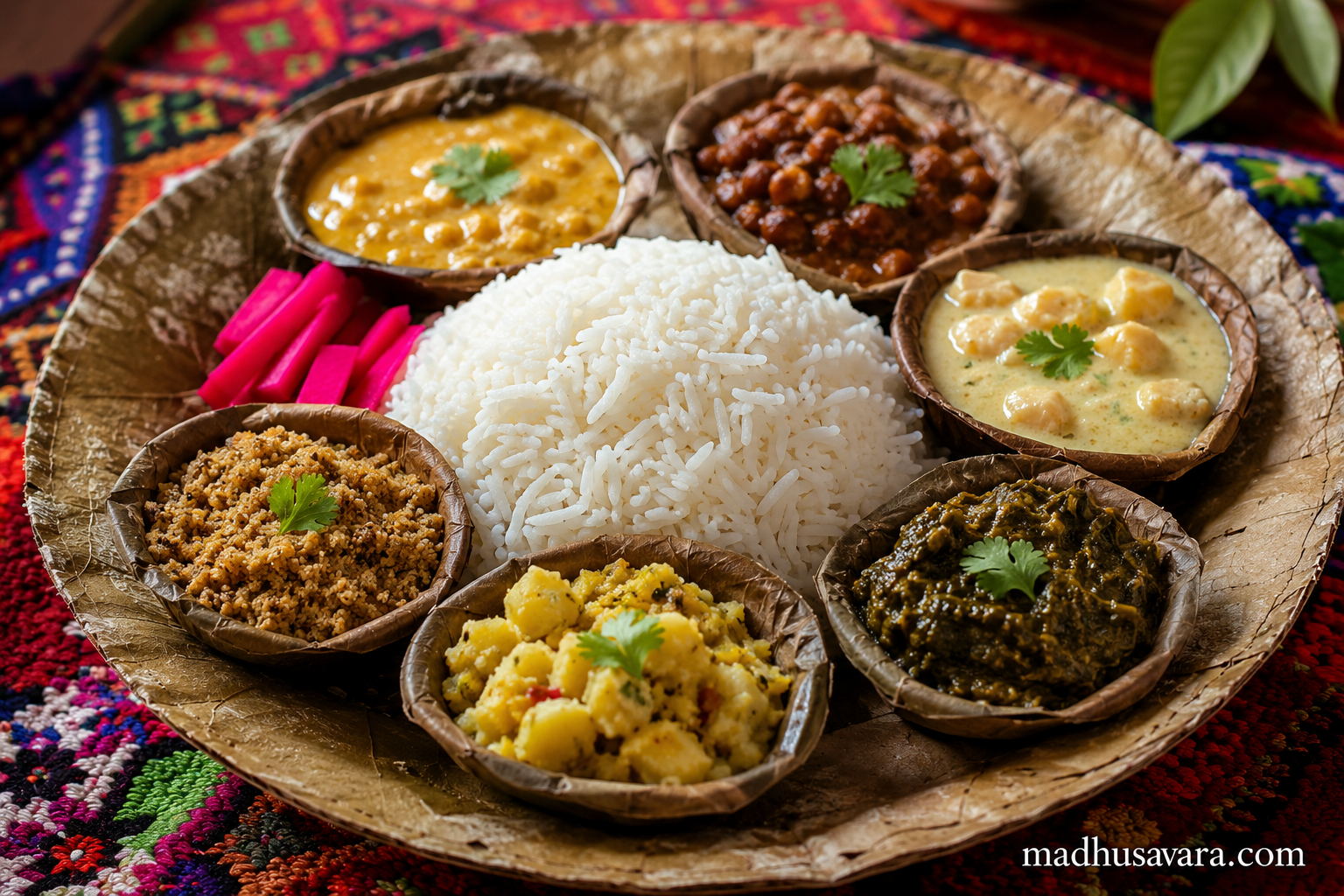
Authentic Kangri Dham boiled rice served on a traditional leaf plate with fluffy long-grain white rice, photographed in vibrant high-resolution with a rustic Himachali festive presentation

Author’s Note

Some recipes don’t need a long story—they simply belong at every meal. Kangra Dham Boiled Rice is one of them. In every Kangra Dham I have attended, the aroma of freshly cooked rice is what brings the entire feast together. It may look simple, but without it, the rich madra, rajma, and other traditional dishes never feel complete.

This recipe reminds me that the most comforting food is often the most humble. Every grain carries the warmth of Himachali hospitality and the joy of sharing a meal with family and guests. It is a small part of the feast, yet one that quietly holds everything together. I hope it brings the same feeling of warmth and togetherness to your table.

In a Kangra Dham, the plain boiled rice is never treated as an afterthought. It is the centre of the meal, quietly bringing together every dish served on the leaf plate. Soft, fragrant, and perfectly cooked, it balances the richness of madra, the tang of khatta, the earthiness of rajma, and the sweetness of meetha bhat. Without it, a traditional Dham simply feels incomplete.

For generations, this rice has been served at weddings, temple feasts, festivals, and community celebrations across the Kangra region of Himachal Pradesh. Prepared with care and served in generous portions, it forms the foundation of a meal that is deeply rooted in local customs and shared traditions. While the curries often receive the spotlight, the rice is what ties the entire feast together.

Its beauty lies in its simplicity. There are no elaborate spices or rich tempering—just well-cooked, aromatic rice that lets every accompanying dish shine. It is a reminder that some of the most memorable foods are also the most humble, carrying forward the flavours and traditions that have been cherished in Himachali homes for generations.

Table of Contents

  • Author’s Note
  • Description, Origin & Significance
  • Why You’ll Love This Recipe
  • Ingredients You’ll Need
  • Equipment Required
  • How to Make Kangra Dham Boiled Rice (Step-by-Step)
  • Madhu Savara’s Tips
  • Variations
  • What to Serve With
  • Nutritional Value (Per Serving)
  • Recipe Comparison Chart
  • Things to Avoid
  • Storage & Reheating
  • Frequently Asked Questions
  • Recipe Card
  • Final Thoughts
  • About the Author

Servings

6 persons

Preparation Time:

15 minutes

Cooking Time:

20 Minutes

Calories

210

Ingredients

Every ingredient in this recipe has a purpose. The rice is kept intentionally simple so it can complement the rich, flavourful dishes served in a traditional Kangra Dham.

  • 2 cups fragrant rice (preferably aged basmati or a traditional Himalayan variety)
  • 5–6 cups water (adjust as needed for the boiling method)
  • 1 teaspoon salt (optional, used sparingly for a delicate flavour)
  • 1 tablespoon desi ghee (optional, gently folded in after cooking for a subtle aroma and glossy finish)

Ingredient Note:
Traditional Kangra Dham rice relies on the quality of the rice rather than spices or seasonings. Long-grain, aged basmati produces light, fluffy grains, while local Himalayan varieties offer an authentic regional flavour and texture.

Equipment Needed

You don’t need any special equipment to prepare Kangra Dham Boiled Rice. A few everyday kitchen essentials are all it takes.

  • Large heavy-bottomed pot or a traditional patila for even cooking
  • Colander or fine-mesh strainer for draining the rice (if using the boiling method)
  • Wooden spoon or spatula for gently fluffing the cooked rice
  • Measuring cups for accurate rice-to-water proportions
  • Well-fitting lid to rest the rice after cooking and help the grains become light and fluffy

Kitchen Tip:
A heavy-bottomed pot distributes heat evenly, helping the rice cook uniformly while preventing the grains at the bottom from sticking or scorching.

Nutrition Information

(Per Serving)

Although Kangra Dham Boiled Rice is a simple dish, it provides wholesome carbohydrates and a gentle source of energy. Traditionally, it is served with protein-rich dishes like madra, rajma, and mah ki dal, creating a balanced and satisfying festive meal.

Nutrient Amount per Serving Approx. Daily Value
Calories 200–210 kcal 10%
Carbohydrates 45 g 16%
Protein 4 g 8%
Fat 0.5 g <1%
Dietary Fiber 0.7 g 3%
Iron 0.8–1 mg 5–6%
Magnesium 12 mg 3%
B Vitamins (Thiamine & Others) Good Source Supports Energy Metabolism

Good to Know:
On its own, this rice is light and easy to digest. When paired with traditional Himachali dals and curries, it becomes part of a wholesome, well-balanced Kangra Dham meal.


How Kangra Dham Boiled Rice Compares

While many Indian rice dishes are rich with spices or sweetness, Kangra Dham Boiled Rice celebrates simplicity. Its delicate flavour allows every traditional Dham preparation to take centre stage.

Aspect Kangra Dham Boiled Rice Meetha Bhat Rice Pulao Vegetable Biryani
Primary Flavour Mild and naturally aromatic Sweet, rich, and fragrant Lightly spiced and savoury Bold, richly spiced
Cooking Method Boiled until fluffy Cooked with sugar, ghee, and saffron One-pot rice with vegetables and whole spices Layered and dum-cooked
Traditional Role Main rice served with Dham curries Sweet course in a Dham feast Everyday or festive rice Celebration and party dish
Spice Level Minimal Mildly aromatic Moderately spiced Richly spiced
Texture Light, fluffy, separate grains Soft and slightly sticky Fluffy and fragrant Moist and flavourful
Best Served With Madra, rajma, khatta, and other Dham dishes Served on its own as dessert Dal, curry, or raita Raita, salan, or curry

Madhu Savara’s Take

The beauty of Kangra Dham Boiled Rice lies in what it doesn’t do—it doesn’t compete for attention. Instead, it quietly complements every curry on the leaf plate, allowing the rich flavours of a traditional Kangra Dham to shine. That understated role is exactly what has made it an essential part of Himachali festive feasts for generations.

Step by Step Instructions

Step 1: Wash and Soak the Rice

Pick through the rice to remove any impurities, then rinse it gently under running water until the water runs clear. Soak the rice in fresh water for 15–20 minutes to help the grains cook evenly and remain light and fluffy.

Step 2: Bring the Water to a Boil

In a large heavy-bottomed pot, bring 5–6 cups of water to a rolling boil. If desired, add 1 teaspoon of salt for a delicate flavour.

Step 3: Cook the Rice

Drain the soaked rice and carefully add it to the boiling water. Stir gently once to prevent the grains from sticking together. Cook over medium-high heat for 8–10 minutes, or until the grains are tender yet still hold their shape.

Step 4: Drain the Rice

Immediately drain the cooked rice using a colander or fine-mesh strainer. Do not rinse. Allow it to stand for 2–3 minutes so any excess moisture drains away naturally.

Step 5: Finish and Rest

Transfer the rice back to the pot or a serving bowl. If using, drizzle 1 tablespoon of warm desi ghee over the rice and gently fluff the grains with a fork or wooden spoon. Cover and let the rice rest for 5 minutes before serving.

Ready to Serve

Light, fluffy, and naturally fragrant, Kangra Dham Boiled Rice is traditionally served first on the leaf plate, forming the perfect base for classic Himachali dishes such as madra, rajma, khatta, and meetha bhat. Its simple elegance is what makes every Kangra Dham meal feel complete.

Tips and Variations

Kangra Dham Boiled Rice is naturally wholesome and made with just a handful of ingredients, making it suitable for most diets.

  • Contains: Milk (Dairy) – only if desi ghee is used.
  • Naturally Free From: Gluten, eggs, nuts, peanuts, soy, sesame, fish, and shellfish.
  • Vegan-Friendly: Simply omit the desi ghee or use a plant-based alternative.
  • Dairy-Free: Prepare the rice without ghee for a completely dairy-free dish.
  • Cross-Contamination: If cooking for someone with food allergies or gluten intolerance, use clean utensils and cookware, and ensure all ingredients are free from cross-contact.

Good to Know:
Plain rice is naturally gluten-free and one of the most allergy-friendly staples. Any allergens in a traditional Kangra Dham meal typically come from the accompanying curries and side dishes rather than the rice itself.

Allergen Information

Kangra Dham Boiled Rice is naturally simple and suitable for many dietary preferences, but it’s always helpful to know the ingredients used.

  • Contains: Milk (only if desi ghee is added)
  • Naturally Free From: Gluten, eggs, nuts, soy, sesame, and shellfish
  • Vegan Option: Omit the desi ghee or replace it with a plant-based alternative.
  • Dairy-Free Option: Prepare the rice without ghee or use a dairy-free cooking fat.
  • Cross-Contamination: If serving someone with severe food allergies or celiac disease, ensure the rice, utensils, and cooking vessels have not come into contact with allergenic ingredients.

Note: Plain rice itself is naturally gluten-free and allergen-friendly. The allergen profile may change depending on the dishes served alongside it in a traditional Kangra Dham meal

Other Essentials

Things to Avoid

A little care is all it takes to achieve the light, fluffy texture that makes Kangra Dham Boiled Rice so enjoyable.

  • Avoid overcooking the rice, as the grains can become soft and lose their shape.
  • Stir the rice only once after adding it to the boiling water. Too much stirring may break the grains.
  • Do not rinse the rice after draining. The light coating of natural starch helps preserve its delicate texture.
  • Always use good-quality, fragrant rice. With such a simple recipe, the quality of the rice makes all the difference.
  • Avoid covering the pot tightly while the rice is boiling, as trapped steam can make the grains sticky.

Storage

Allow the rice to cool completely before storing it in an airtight container. It stays fresh in the refrigerator for up to 3 days.

To reheat, sprinkle a little water over the rice and warm it gently in the microwave or steam it until hot. If you would like to store it for longer, freeze individual portions for up to one month. Thaw overnight in the refrigerator before reheating.

Frequently Asked Questions

What makes Kangra Dham Boiled Rice different from regular boiled rice?

The ingredients are simple, but the purpose is unique. This rice is prepared to stay light, fragrant, and perfectly separate so it complements the rich flavours of traditional Kangra Dham dishes instead of competing with them.

Can I use a rice cooker?

Yes. Although the traditional method uses an open pot, a rice cooker works well for everyday cooking. The important thing is to avoid overcooking the rice.

Is this recipe vegan?

It certainly can be. Simply leave out the desi ghee or replace it with your preferred plant-based alternative.

Which rice variety is best?

Aged basmati is the most popular choice because of its aroma and long grains. If you have access to traditional Himalayan rice, it offers an even more authentic regional flavour.

Can I make this recipe for a large gathering?

Yes. This recipe is easy to multiply for family celebrations, festive occasions, or community feasts. Just use a large cooking pot so the rice has enough space to cook evenly.

Why is rice served first in a Kangra Dham?

In a traditional Kangra Dham, rice forms the base of the meal. Every curry, dal, and festive preparation is enjoyed with it, making it an essential part of the dining tradition.

Final Thoughts

Some dishes become memorable because of rich spices or elaborate cooking. Kangra Dham Boiled Rice earns its place through simplicity. Soft, fragrant, and comforting, it quietly brings every dish on the Dham platter together without ever demanding attention for itself.

Whenever I prepare it, I’m reminded that the simplest recipes are often the ones we return to again and again. I hope this humble bowl of rice brings a little of Himachal Pradesh’s warmth and tradition to your table.

About the Author

I’m Madhu Savara, the home cook and storyteller behind madhusavara.com. My passion is preserving the authentic flavours of Himachal Pradesh and India’s regional kitchens through recipes that are rooted in tradition, family memories, and everyday home cooking. Every recipe I share is carefully tested in my kitchen with the hope that it becomes a cherished part of yours.

Disclaimer

Important Notice: Read Before Proceeding

The recipes, preparation methods, nutritional details, and related content published on Madhu Savara’s website, social media, and associated platforms are intended solely for general informational and educational purposes. While every effort has been made to ensure accuracy and reliability, we make no guarantees regarding the results, safety, or accuracy of any recipe presented here.

We are not licensed nutritionists, dieticians, or medical professionals. The nutritional values provided are estimates only, calculated using third-party tools, and should not be used for medical diagnosis, dietary treatment, or allergy management. If you have any medical conditions, dietary restrictions, or food allergies, please consult your doctor or certified dietitian before attempting any recipe.

Cooking inherently involves sharp tools, high heat, and the risk of injury or fire. You assume full responsibility for your kitchen practices. Madhu Savara, the website, and all contributors shall not be held liable for any damage, injury, loss, or adverse outcome resulting directly or indirectly from the preparation, consumption, or interpretation of any content herein.

By using this website and attempting any recipe, you agree to hold harmless and indemnify Madhu Savara and her team from any liability, legal claim, or damages arising from the use of this content. You are encouraged to exercise independent judgment and take full responsibility for your health, kitchen safety, and actions.


Authentic Kangri Dham boiled rice served on a traditional leaf plate with fluffy long-grain white rice, photographed in vibrant high-resolution with a rustic Himachali festive presentation
Print

Kangra Dham Boiled Rice Recipe – Authentic Aromatic Plain Rice from Himachal Pradesh

In a Kangra Dham, the plain boiled rice is never treated as an afterthought. It is the centre of the meal, quietly bringing together every dish served on the leaf plate. Soft, fragrant, and perfectly cooked, it balances the richness of madra, the tang of khatta, the earthiness of rajma, and the sweetness of meetha bhat. Without it, a traditional Dham simply feels incomplete.
Course Main Course
Cuisine Himachali Dham, Indian, Kangri Dham
Keyword Aromatic Boiled Rice, Authentic Kangra Rice, Himachal Pradesh Plain Rice, Himachali Boiled Rice, Himachali Festive Rice, Kangra Dham Boiled Rice Recipe, Kangra Dham Rice, Kangra Feast Rice, Rice for Kangra Dham, Traditional Kangri Dham Rice
Prep Time 15 minutes
Cook Time 25 minutes
Total Time 40 minutes
Servings 6 People
Calories 210kcal
Author Madhu Savara

Equipment

  • Large heavy-bottomed pot or a traditional patila for even cookingColander or fine-mesh strainer for draining the rice (if using the boiling method)Wooden spoon or spatula for gently fluffing the cooked riceMeasuring cups for accurate rice-to-water proportionsWell-fitting lid to rest the rice after cooking and help the grains become light and fluffy

Ingredients

  • 2 cups fragrant rice preferably aged basmati or a traditional Himalayan variety
  • 5 –6 cups water adjust as needed for the boiling method
  • 1 teaspoon salt optional, used sparingly for a delicate flavour
  • 1 tablespoon desi ghee optional, gently folded in after cooking for a subtle aroma and glossy finish

Instructions

  • Step 1: Wash and Soak the Rice
  • Pick through the rice to remove any impurities, then rinse it gently under running water until the water runs clear. Soak the rice in fresh water for 15–20 minutes to help the grains cook evenly and remain light and fluffy.
  • Step 2: Bring the Water to a Boil
  • In a large heavy-bottomed pot, bring 5–6 cups of water to a rolling boil. If desired, add 1 teaspoon of salt for a delicate flavour.
  • Step 3: Cook the Rice
  • Drain the soaked rice and carefully add it to the boiling water. Stir gently once to prevent the grains from sticking together. Cook over medium-high heat for 8–10 minutes, or until the grains are tender yet still hold their shape.
  • Step 4: Drain the Rice
  • Immediately drain the cooked rice using a colander or fine-mesh strainer. Do not rinse. Allow it to stand for 2–3 minutes so any excess moisture drains away naturally.
  • Step 5: Finish and Rest
  • Transfer the rice back to the pot or a serving bowl. If using, drizzle 1 tablespoon of warm desi ghee over the rice and gently fluff the grains with a fork or wooden spoon. Cover and let the rice rest for 5 minutes before serving.
  • Ready to Serve
  • Light, fluffy, and naturally fragrant, Kangra Dham Boiled Rice is traditionally served first on the leaf plate, forming the perfect base for classic Himachali dishes such as madra, rajma, khatta, and meetha bhat. Its simple elegance is what makes every Kangra Dham meal feel complete.

Notes

Tips and Variations
 
Kangra Dham Boiled Rice is naturally wholesome and made with just a handful of ingredients, making it suitable for most diets.
  • Contains: Milk (Dairy) – only if desi ghee is used.
  • Naturally Free From: Gluten, eggs, nuts, peanuts, soy, sesame, fish, and shellfish.
  • Vegan-Friendly: Simply omit the desi ghee or use a plant-based alternative.
  • Dairy-Free: Prepare the rice without ghee for a completely dairy-free dish.
  • Cross-Contamination: If cooking for someone with food allergies or gluten intolerance, use clean utensils and cookware, and ensure all ingredients are free from cross-contact.