
Kol Ka Khatta Recipe – Authentic Horse Gram Dal in Mandyali Dham
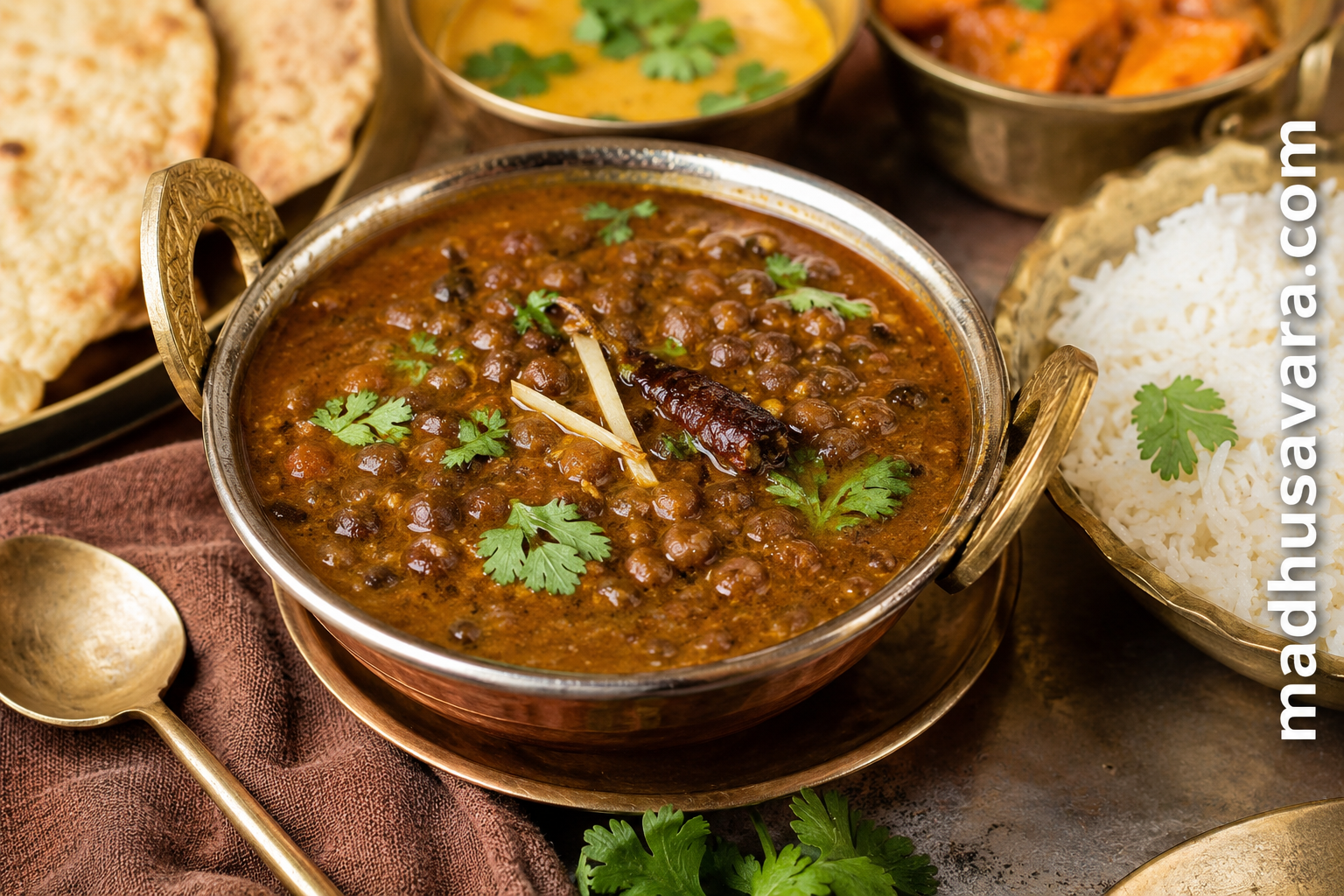
Kol Ka Khatta Recipe is a traditional Mandyalli Dham delicacy prepared with kulth (horse gram), gently cooked in a tangy, mildly spiced gravy. Served as one of the signature dishes of the dham, it is known for its earthy flavour, refreshing sourness and wholesome simplicity. Rich in protein and deeply satisfying, this timeless Himachali recipe celebrates the region’s tradition of transforming locally grown ingredients into memorable festive food.
Servings 5 People
Calories 220kcal
Equipment
- Pressure cooker or a heavy-bottomed pot for cooking the horse gramHeavy-bottomed kadai for simmering the khattaSmall tempering (tadka) panWooden spatula or cooking spoonLadle for stirring and servingMeasuring cups and measuring spoonsSharp knife and chopping boardServing bowl
Ingredients
- 1 cup kulth horse gram / kol / rongi, soaked overnight
- 2 –3 medium tomatoes finely chopped
- 2 –3 green chillies slit lengthwise
- 1- inch ginger grated
- 2 –3 tbsp mustard oil or desi ghee
- Salt to taste
- Fresh coriander leaves finely chopped, for garnish
- Water as required
- Spice Powders
- ½ tsp turmeric powder
- 1 tsp red chilli powder adjust to taste
- 1 tsp coriander powder
- ½ tsp garam masala
- For the Tempering
- 1 tsp mustard seeds rai
- 8 –10 fresh curry leaves
- For the Signature Tang
- 1 tbsp tamarind pulp or
- Juice of 1 lemon or
- 1 tsp amchur dry mango powder
- To Balance the Flavours
- 1 tsp jaggery or sugar optional
- Optional Ingredient
- 1 large onion finely chopped (Traditional Mandyalli Dham recipes are generally prepared without onion. You may add it for a home-style version if preferred.)
Instructions
- Step 1: Soak the Horse Gram
- Wash the kulth (horse gram) thoroughly under running water. Soak it in enough water overnight or for at least 8 hours. Drain the soaking water and rinse once again before cooking.
- Step 2: Cook the Horse Gram
- Transfer the soaked horse gram to a pressure cooker with 3 cups of water, turmeric and a little salt. Pressure cook for 4–5 whistles, or until the grains are tender yet hold their shape. Keep the cooked horse gram along with its cooking liquid aside.
- Step 3: Prepare the Tempering
- Heat mustard oil or desi ghee in a heavy-bottomed kadai until it reaches the smoking point, then allow it to cool slightly. Add the mustard seeds and let them crackle. Stir in the curry leaves, green chillies and grated ginger, and sauté for about 30 seconds until aromatic.
- Step 4: Prepare the Masala
- If using onion, add it now and sauté until soft and lightly golden. Add the chopped tomatoes and cook over a medium flame until they soften completely and the oil begins to separate.
- Sprinkle in the red chilli powder, coriander powder and salt. Mix well and cook for another 2–3 minutes, allowing the spices to blend with the tomato mixture.
- Step 5: Prepare the Khatta
- Add the cooked horse gram along with its cooking liquid to the kadai. Stir well, then mix in the tamarind pulp (or lemon juice or amchur) and jaggery, if using. Add a little hot water if required to achieve a medium-thick gravy.
- Simmer gently over a low flame for 10–12 minutes, stirring occasionally so the flavours come together and the horse gram absorbs the tangy, aromatic gravy.
- Step 6: Finish and Serve
- Sprinkle the garam masala and mix gently. Garnish with freshly chopped coriander leaves and allow the Kol Ka Khatta to rest for 5 minutes before serving.
- Serve hot with steamed rice as part of an authentic Mandyalli Dham, or enjoy it with siddu, chapati or any traditional Himachali meal.
Notes
Madhu Savara’s Tips
- Soak the kulth (horse gram) overnight to ensure even cooking and a creamy texture.
- Cook the horse gram until tender but not mushy, so it retains its traditional bite.
- Mustard oil gives the most authentic Mandyalli Dham flavour. If using it, heat it well before adding the tempering.
- Add the souring ingredient gradually and adjust it to your taste. The khatta should have a pleasant tang without overpowering the earthy flavour of the horse gram.
- Simmer the curry over a low flame for at least 10 minutes after adding the tamarind. This allows the flavours to blend beautifully.
- Prepare the dish a few hours in advance whenever possible. Like many traditional Himachali recipes, Kol Ka Khatta tastes even better after resting.
- Garnish with fresh coriander just before serving to preserve its fresh aroma.
- Serve hot with steamed rice for the most authentic Mandyalli Dham experience.
Recipe Variations
- Traditional Mandyalli Dham Style: Prepare the recipe without onion for the authentic festive version served during traditional dhams.
- Home-Style Version: Add finely chopped onion for a slightly richer and more robust flavour.
- Amchur Variation: Replace tamarind with dry mango (amchur) powder for a milder, fruity tang.
- Lemon Variation: Fresh lemon juice added at the end gives the dish a lighter and fresher taste.
- Garlic Tempering: For everyday home cooking, add a few sliced garlic cloves to the tempering. This is not part of the traditional dham recipe but adds extra flavour.
- Spicier Version: Increase the green chillies or red chilli powder if you enjoy a hotter curry.
- No-Ghee Version: Use mustard oil instead of desi ghee for a completely dairy-free preparation.
- Festival Serving: Pair Kol Ka Khatta with steamed rice, madra, sepu vadi and other traditional Mandyalli Dham dishes for a complete festive meal.
