

Arcot Biryani Recipe | Authentic Arcot Chicken Biryani Recipe with Seeraga Samba Rice | Royal Tamil Nadu Nawabi Biryani
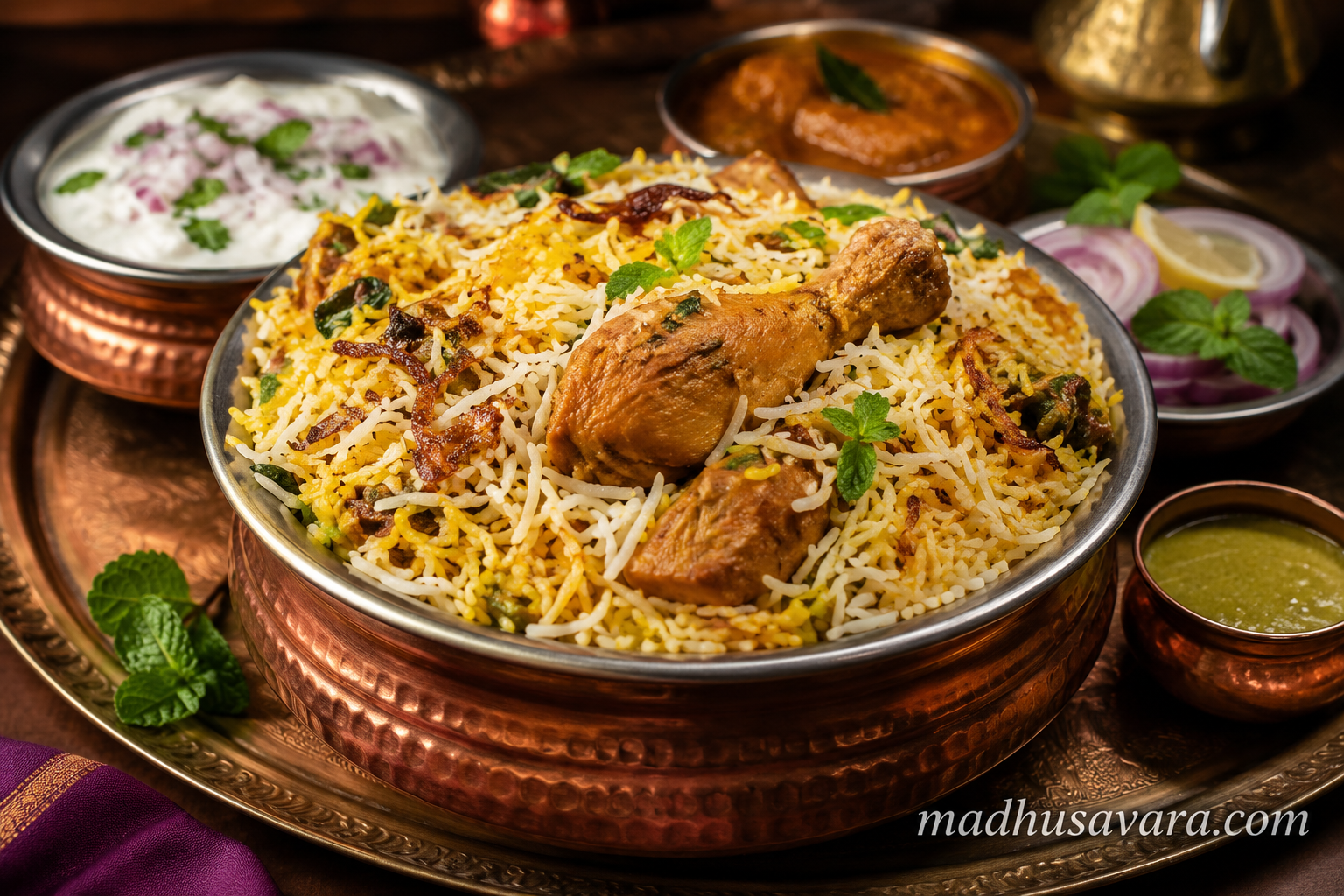
Arcot Biryani Recipe is a traditional royal biryani that originated in the historic town of Arcot in Tamil Nadu during the rule of the Nawabs. It beautifully blends Persian influence with South Indian ingredients, resulting in an aromatic, balanced, and remarkably elegant South Indian Chicken Biryani Recipe.A defining feature of this Authentic Arcot Chicken Biryani Recipe is its focus on flavour rather than fiery heat. Fresh herbs, whole spices, curd, and Seeraga Samba rice work together to create a biryani that feels rich without being heavy. Though often compared with Ambur Biryani, this Royal Arcot Biryani Recipe represents the refined palace style with its careful seasoning and slow dum cooking.
Servings 6 People
Calories 610kcal
Equipment
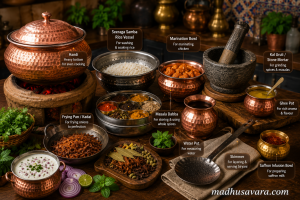
- Heavy-bottomed handi with tight-fitting lid,Large cooking pot for rice, Heavy kadaiMixing bowlsMeasuring cups and measuring spoonsSharp chef’s knifeChopping boardWooden spatulaFine mesh strainerDo,ugh or aluminium foil for sealing the handi during dum cooking
Ingredients
- For Marinating the Chicken
- Chicken medium pieces: 1 kg
- Thick curd: 250 g
- Ginger-garlic paste: 2 tbsp
- Turmeric powder: ½ tsp
- Red chilli powder: 1½ tsp
- Coriander powder: 1 tsp
- Garam masala: 1 tsp
- Lemon juice: 1 tbsp
- Salt: To taste
- Mint leaves chopped: ½ cup
- Coriander leaves chopped: ½ cup
- For the Rice
- Seeraga Samba rice: 750 g
- Water: As required
- Bay leaves: 2 Green cardamom: 5, Cloves: 6, Cinnamon: 2-inch piece, Salt: To taste
- For Cooking
- Ghee: 4 tbsp Oil: 4 tbsp
- Onions thinly sliced: 4 large
- Tomatoes chopped: 2 medium
- Green chillies slit: 4
- Fresh mint leaves: 1 cup Fresh coriander leaves: 1 cup
- Whole black pepper: 1 tsp Fennel seeds: 1 tsp, Star anise: 1, Mace: 1 blade
- Nutmeg powder: ¼ tsp optional
- Warm milk with saffron: 3 tbsp optional
Instructions
- Preparation Before Cooking
- Good biryani begins long before the flame is lit. Wash the Seeraga Samba rice gently until the water runs clear and soak for 30 minutes. Clean the chicken well and drain excess moisture. Slice onions uniformly, chop herbs fresh, and keep all spices ready. Marinate the chicken for at least one hour — preferably four hours or overnight for deeper flavour.
- Step-by-Step Cooking Method
- Step 1: Marinate the Chicken. Place the chicken in a large bowl. Add curd, ginger-garlic paste, spice powders, lemon juice, chopped herbs, and salt. Massage gently for 3–4 minutes. Cover and refrigerate for at least 1 hour (4 hours or overnight is best).
- Step 2: Prepare the rice.e Bring water to a rolling boil with whole spices and salt. Add soaked rice and cook till 70% done. Drain and spread to stop further cooking.
- Step 3: Prepare the Masala. Heat ghee and oil in the handi. Temper whole spices till fragrant. Add sliced onions and fry till deep golden. Add green chillies, tomatoes, mint and coriander. Cook till the oil separates and a beautiful herbal aroma fills the kitchen.
- Step 4: Cook the Chicken. Add the marinated chicken along with the marinade. Cook on medium heat for 20–25 minutes till the chicken is almost done, and the gravy thickens. Taste and adjust — it should be slightly stronger because the rice will absorb the flavours.
- Step 5: Layer the Arcot Biryani. Reduce flame to low. Spread half the rice over the chicken. Sprinkle mint, coriander, fried onions, and saffron milk. Repeat with remaining rice. Top with ghee and a few mint leaves.
- Step 6: Dum Cooking: Seal the handi with dough or ight lid. Cook on very low heat for 20 minutes. Switch off and rest unopened for another 15 minutes. This resting time is pure magic.
- Step 7: Serve. Gently fluff the biryani from the sides. Serve immediately while the aroma is at its peak. Every spoonful should have fluffy rice, tender chicken, and the gentle perfume of spices.
- All
Notes
Tips and Variations
Madhusavara’s Tips
- Use only good-quality Seeraga Samba rice for authentic flavour.
- Freshly grind whole spices whenever possible.
- Never skip proper marination.
- Avoid high heat after layering.
- Always rest the biryani after dum.
- A heavy-bottomed handi works best.
Variations
- Arcot Mutton Biryani: Replace chicken with mutton, marinate longer, and cook meat till almost tender.
- Traditional Handi Version: Cook over charcoal for a gentle smoky aroma.
- Less Spicy Version: Reduce red chilli powder and green chillies.
- Family Feast Version: Increase mint, coriander, and fried onions slightly.
